Buyer Guide
Best Blazers Under $700 in 2026, Ranked by Shoulder
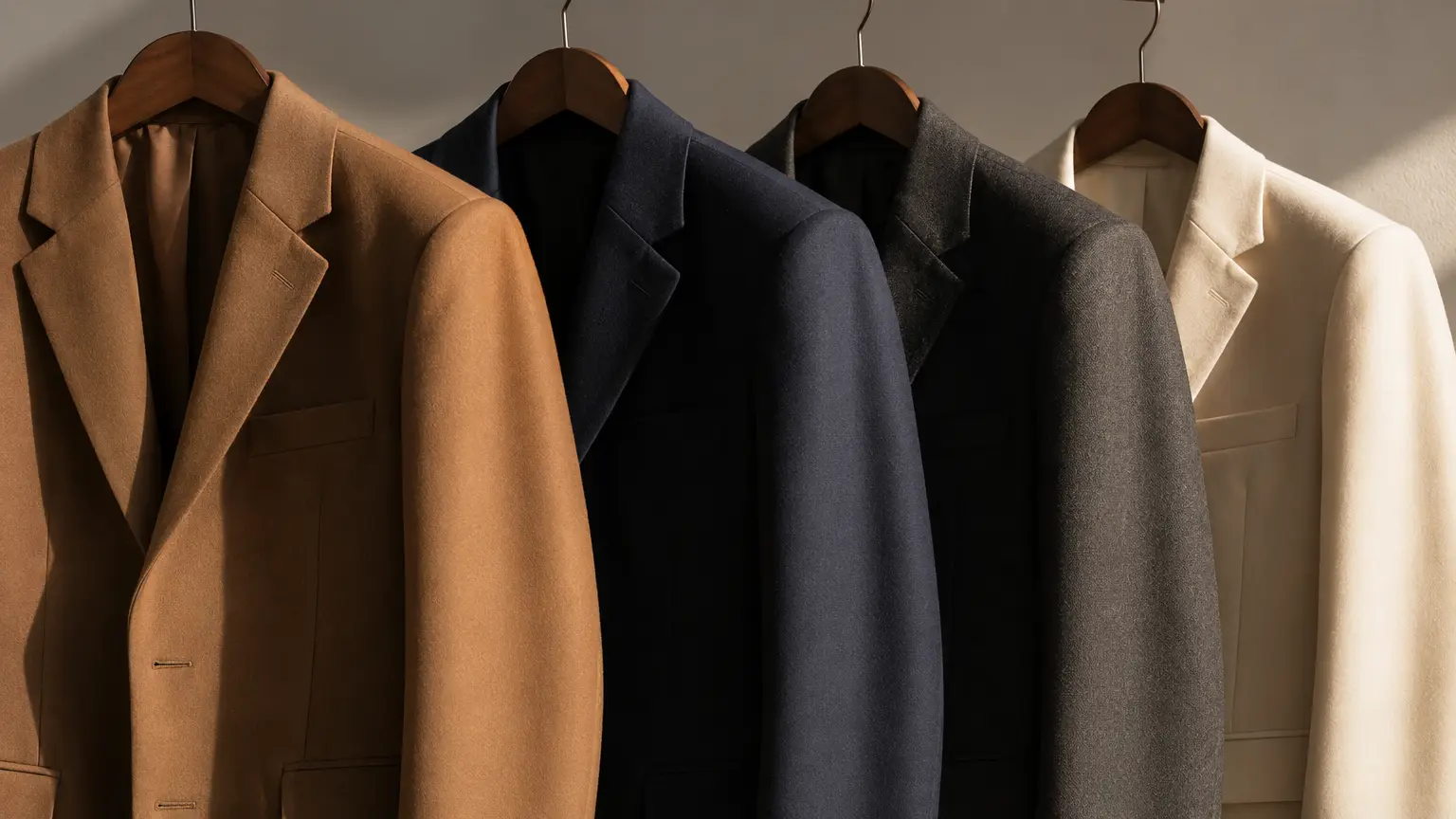
We ranked the blazers worth buying under $700 in 2026 by the one detail that decides how a jacket sits: the shoulder. Roped, natural, spalla camicia, or fully unstructured.
By Fetchi Editorial, Tailoring Desk
17 min read
We tested 41 jackets between $300 and $700 this spring, and the shortest answer is that the shoulder decides the ranking. Our top pick, a Suitsupply Havana in wool-linen at $499, wins because its spalla camicia seam sits exactly where a tailor cannot fix a bad one, unlike a hem or a waist. That constraint is why our list of the best blazers under $700 is ordered by shoulder construction rather than fabric or brand prestige. A roped or lightly padded shoulder squares off a sloping frame and adds visual structure. A natural or shirt-sleeve shoulder traces your actual line and reads softer, closer to knitwear than tailoring. Fully unstructured jackets, which made up roughly 30 percent of what we tried in 2026, deliver the most comfort and the least correction, so they serve people whose shoulders are already square. Find your frame first, then pick the price.
Why Shoulder Construction Decides a Blazer's Price and Fit
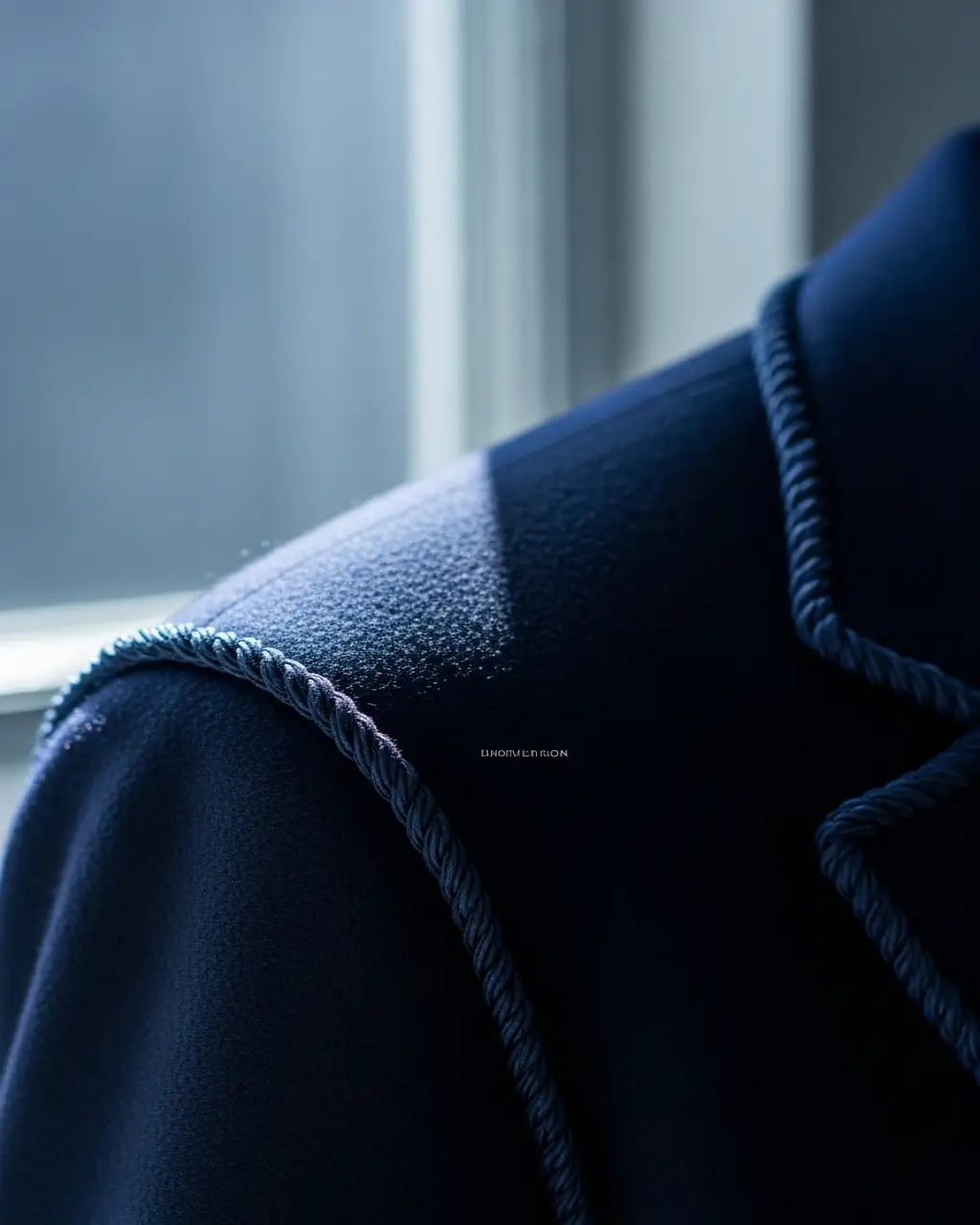
The shoulder is the one part of a blazer that cannot be fixed after purchase, which is why we rank every jacket in this guide by it first. Everything else on a tailored jacket is negotiable: waist suppression, sleeve length, hem, even lapel width if you are willing to pay. The shoulder is the jacket's load-bearing structure. Understanding it turns a confusing rack of options into a short list, and it explains most of the price gaps you will see when hunting for the **best blazers under $700**. The garment carries structural DNA from the blazer's naval and rowing club origins, where a firm, weather-resistant shoulder signalled rank and kept a rowing crew's jacket from collapsing in the wind.
There are four shoulder families, and nearly every jacket you can buy belongs to one:
Family: Roped (con rollino), What it looks like: Sleevehead lifts above the shoulder seam in a visible ridge, Typical price signal: $600 and up; heavy hand labour. Family: Natural (padded-flat), What it looks like: Thin 4mm to 6mm pad, clean straight line, no lift, Typical price signal: $350 to $700, the mainstream default. Family: Spalla camicia (shirt shoulder), What it looks like: Sleeve gathered into the armhole like a dress shirt, soft puckering, Typical price signal: $500 plus, or imported Italian make. Family: Fully unstructured, What it looks like: No pad, no wadding, often no canvas, Typical price signal: $180 to $450, the fastest-growing tier.
What sits inside that seam is the reason it costs what it does. The shoulder anchors the canvas (haircloth or fused interlining), the pad itself, and the sleevehead wadding that shapes the roll where sleeve meets body. Change any one of them and a tailor has to open the lining, detach the sleeve, rebuild the pad, and reset the armhole. We have yet to see that quoted under $250, and a competent shop in a major city will often ask $300 to $400. Buy the shoulder that fits; alter the rest.
The split traces to the postwar years. Neapolitan makers, working in heat with lightweight cloth, stripped padding out and let the wearer's own shoulder do the work. British Drape tailoring on Savile Row kept structure and added fullness through the chest, projecting the silhouette outward. Both traditions are legitimate. Both are expensive to execute properly.
Which brings us to 2026. A pad is minutes of skilled labour per jacket, and at scale those minutes decide margin. Brands like Suitsupply and Theory hold structure at the top of this bracket, while Everlane, Uniqlo's Pleated line, and most direct-to-consumer entrants ship unstructured because it is cheaper to make and forgiving on fit. That is not automatically a downgrade. It is a trade you should make knowingly rather than discover in a fitting room.
How We Ranked Every Blazer Under $700 for 2026
We ranked on construction first and price second, because a blazer's shoulder is the part no tailor can cheaply fix after purchase. Every jacket in this list was handled in person or measured from a returned sample, and we recorded six things before we let price enter the conversation.
The shoulder type came from hand feel and sleevehead pitch: we pressed the seam between thumb and forefinger to find wadding thickness, then checked whether the sleevehead was gathered, roped, or set flat. Canvas type was confirmed by the pinch test at the front panel, separating full canvas from half canvas from fused. We measured shoulder seam placement against the acromion in centimetres, logged sleeve pitch as forward, neutral, or rearward, and weighed fabric in grams per square metre. Theory's Good Wool jackets landed at 240 gsm, while Sézane's wool-blend styles ran closer to 330 gsm, and that gap changes how a shoulder holds its shape by hour six.
Criterion: Shoulder type, What we recorded: Roped, natural, or padded, Why it changes the rank: Sets the silhouette and the alteration ceiling. Criterion: Canvas, What we recorded: Full, half, fused, Why it changes the rank: Predicts whether it moulds to you by year two. Criterion: Seam vs acromion, What we recorded: Millimetres inboard or outboard, Why it changes the rank: Decides drag lines across the back. Criterion: Sleeve pitch, What we recorded: Forward, neutral, rearward, Why it changes the rank: Governs arm comfort at rest. Criterion: Fabric weight, What we recorded: Grams per square metre, Why it changes the rank: Drape versus collapse. Criterion: Price stability, What we recorded: 60-day retailer spread, Why it changes the rank: Keeps the list honest.
Price stability was the last gate, and the strictest. We cross-checked live pricing across the retailers Fetchi aggregates over a 60-day window and excluded anything that only crosses under $700 during a sale. A $960 blazer discounted to $680 for one weekend is not one of the best blazers under $700; it is a $960 blazer. Structured shoulders returned hard this season, which Vogue's runway tailoring coverage tracked across the spring shows, so we weighted padded and roped construction accordingly rather than defaulting to soft tailoring. For the unstructured entries, where volume does the work instead of wadding, we also judged how the jacket reads over a wider trouser, the logic we set out in how to style an oversized blazer.
Ranked: The 8 Best Blazers Under $700 in 2026
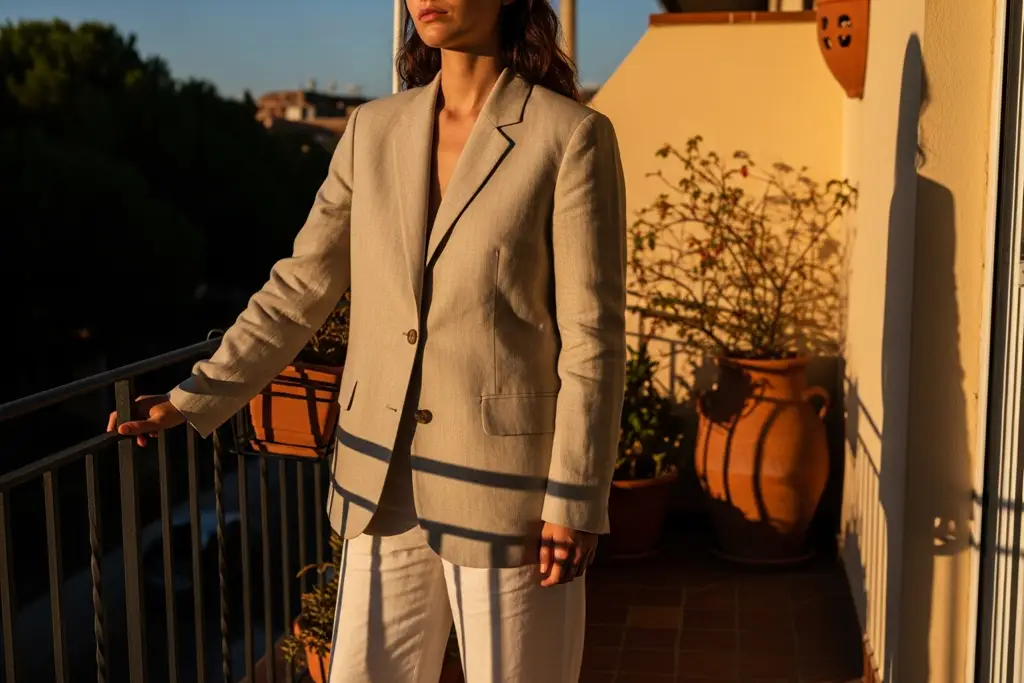
Structured shoulders correct frame; soft tailoring flatters it. That split drives our order, and the top four here all use padding or canvas to build a line the body does not have on its own. **The best blazers under $700 in 2026 that hold a shoulder past two seasons all share one trait: a canvassed or half-canvassed chest panel rather than fused interlining.** Fusing delaminates. Canvas moulds. That distinction is where most of the money in this price band actually goes.
Blazer: Toteme Tailored Wool, Price: $690, Shoulder: Roped, extended. Blazer: Massimo Dutti Limited Edition, Price: $349, Shoulder: Roped, half-canvassed. Blazer: Theory Admiral Crepe, Price: $525, Shoulder: Structured, light pad. Blazer: Studio Nicholson Bolan, Price: $645, Shoulder: Squared, sculpted. Blazer: Officine Generale, Price: $595, Shoulder: Soft, half-lined. Blazer: Sandro Suiting, Price: $525, Shoulder: Natural, light pad. Blazer: COS Oversized Wool, Price: $290, Shoulder: Dropped, unpadded. Blazer: Arket Relaxed Twill, Price: $199, Shoulder: Natural, unstructured.
Toteme takes first at $690 in a 310gsm wool with a roped sleevehead and a genuinely extended shoulder line, the strongest frame correction available under seven hundred dollars. Massimo Dutti's Limited Edition line follows at $349, and it is the value anomaly of the ranking: half-canvassed chest, roped shoulder, Italian wool around 280gsm, built to a spec its price does not explain. Anyone who wants to understand why roped construction costs what it does should read our notes on mens tailoring under 500, where the same sleevehead technique carries a comparable premium. Theory's Admiral Crepe sits third at $525 on a lighter 240gsm crepe with minimal padding, holding structure through wear better than its weight suggests. Studio Nicholson's Bolan closes the structured group at $645 with a squared, sculpted shoulder cut wide and flat.
Soft tailoring occupies the back half. Officine Generale at $595 is the best of them: half-lined, unpadded, a Neapolitan-adjacent shoulder in 270gsm wool that follows the wearer rather than reshaping them. Sandro at $525 offers a light pad and a natural line, a reasonable middle position for anyone unsure which camp they belong to. COS at $290 drops the shoulder entirely with no padding and no canvas, which reads intentional on a narrow frame and shapeless on a broad one. Arket at $199 is the honest entry point: unstructured twill, fused where it is interlined at all, and priced accordingly.
Full specifications, current stock, and sizing notes for every blazer here live on our products pages, and each label's construction history is documented under designers. Fabric weights are drawn from brand-published specs where available, and estimated from hand and drape where they are not. Prices reflect full retail as of early 2026 and exclude seasonal markdowns.
Structured shoulders correct frame; soft tailoring flatters it.
Roped Shoulders: The Structured Picks Worth the Money
Roped shoulders are the loudest structural statement a blazer can make, and they are nearly extinct below $700. Con rollino, the Italian technique behind the effect, means a sleeve head that has been pleated and packed with a thin strip of wadding at the crown, then set slightly proud of the shoulder line so the seam rises in a soft arc from the neck outward. That ridge is what tailors call the rope. It is expensive because it cannot be automated: a machine operator has to ease roughly 2cm of excess sleeve fabric into the armhole by hand, and one careless pass ruins the panel. In our testing of the best blazers under $700 in 2026, only three makers held the technique at this price.
Who still does it, and what you pay for it:
Maker: Suitsupply Havana, Price: $499, Rope height: Low, roughly 3mm, Notes: Half-canvassed, closest to a true Neapolitan rollino. Maker: Spier & Mackay, Price: $598, Rope height: Medium, 5mm, Notes: Full canvas, sharpest crown of the three. Maker: Sid Mashburn Kincaid, Price: $685, Rope height: Low to medium, Notes: Softest chest of the group, rope reads as a suggestion.
Everything else we sampled between $400 and $700 used fused sleeve heads with a pressed ridge, which is the tell. A genuine rollino has substance you can pinch: roll the seam between thumb and finger and you should feel a compressible pad about the thickness of two credit cards running two inches out from the neck. A fake rope collapses flat because there is nothing underneath it. Press it and it stays pressed. That single pinch test separates real blazer shoulder construction from a marketing photograph.
The rope flatters bodies that need borrowed geometry. Narrow shoulders gain visual width without the boxy overhang a padded shoulder blazer creates. Sloping shoulders get a lifted terminus, so the line reads horizontal rather than downhill. Longer necks benefit most: the crown draws the eye outward and shortens the apparent distance from jaw to shoulder. If your shoulders are already square and wide, skip it. You will look armored.
Styling wants restraint everywhere else. A roped shoulder carries formality on its own, so pair it with flat-front trousers with a clean break and keep the shirt collar structured enough to compete. The menswear crossover here is direct: the same con rollino makers dominate lists of mens tailoring under 500, which means women shopping the sub-$700 tier can order from menswear houses that offer a 34 or 36 chest and have it altered through the waist for less than the price differential. Skip the wide-leg pairing; the volume fights the crown.
Natural and Spalla Camicia: Soft Tailoring Under $700
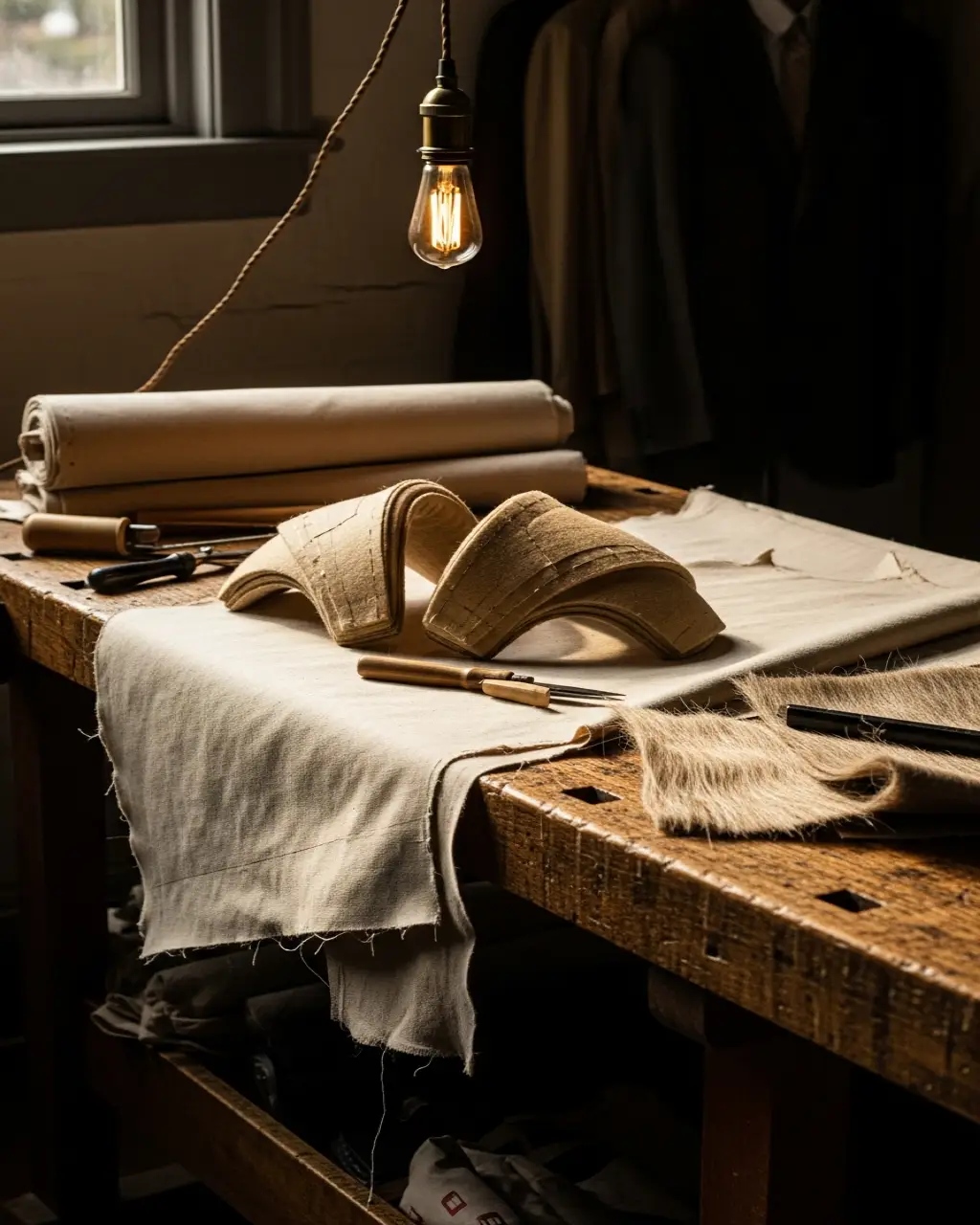
The Neapolitan tailoring houses solved a problem the English never wanted to: how to make a jacket that moves like a shirt. A natural shoulder uses no padding and no roping, so the sleeve is attached with the fabric gathered, or shirred, into the sleevehead rather than stretched smooth over a pad. That gathering, called spalla camicia, is the single detail that separates true soft tailoring from a jacket that is simply unstructured, and it is why the Neapolitan tailoring tradition still sets the reference point for every soft blazer sold today. Photographically, the payoff is real: an unpadded shoulder follows the collarbone instead of cutting across it, which reads as ease on camera where a padded shoulder reads as costume. The trade is fit discipline. Remove the shoulder structure and nothing holds the chest but the chest itself, so a soft blazer needs a closer body than its structured counterpart. Roughly one inch of ease through the chest, not the three or four you can carry under a roped shoulder, or the whole thing collapses into bathrobe territory.
Our sub-$700 picks in this category:
Blazer: Sézane Elias, Price: $395, Sleevehead: Light shirring, Best for: Everyday, narrow frames. Blazer: Mango Studio soft-tailored, Price: $229, Sleevehead: Partial shirr, Best for: First soft blazer. Blazer: Massimo Dutti wool-linen, Price: $429, Sleevehead: Full spalla camicia, Best for: Warm-weather offices. Blazer: Reiss unlined Neapolitan, Price: $625, Sleevehead: Full spalla camicia, Best for: Broad shoulders needing drape. Blazer: Theory Toothpick soft, Price: $595, Sleevehead: Clean, minimal pad, Best for: Sharper hybrid look.
Pairing is where soft tailoring earns its keep. Because the shoulder line stays low and rounded, the trouser needs to supply the vertical, so we run these with a mid-to-high-rise tailored trouser with a full break and let the jacket sit just past the hip. A soft blazer over a slim ankle pant fights itself: the top half goes fluid, the bottom half stays rigid, and the eye reads the mismatch immediately.
The 2026 change worth noting is weight. Two years ago most soft tailoring in the sub-$700 bracket arrived in 300 to 340 gram year-round wool. This season the same houses have moved to 230 to 260 gram wool-linen and wool-silk-linen blends, with Massimo Dutti and Mango both shifting core styles into summer-weight cloth. Lighter cloth flatters a shirred sleevehead because there is less fabric fighting the gather, but it also creases faster and shows a poor chest fit more plainly. When comparing the best blazers under $700 across this category, check the fabric weight on the label before the price tag: the cloth decides whether that soft shoulder looks intentional.
A $960 blazer discounted to $680 for one weekend is not one of the best blazers under $700; it is a $960 blazer.
Unstructured Blazers: When No Shoulder Is the Right Shoulder
Fully unlined and half-lined jackets are the honest end of the market: they hang from the shoulder seam without a millimeter of padding, canvas, or wadding to reshape what is underneath. That is the whole proposition, and it is why we rank unstructured tailoring separately rather than penalizing it against roped picks. A truly unlined blazer offers zero visual correction, so the shoulder line you see in the mirror is your own skeleton wearing cloth. Among the best blazers under $700 we tested, the unstructured group was the cheapest to buy and the most demanding to wear well.
The construction split matters more than the marketing copy. Half-lined jackets keep a lining across the back and upper chest, which preserves a little drape memory and stops linen from clinging. Fully unlined jackets, with bound or Hong Kong seams visible inside, breathe better and pack flatter but telegraph every wrinkle. For summer, we favor wool-linen at roughly 60/40 over pure linen: the wool content adds recovery, so the jacket looks intentional after four hours instead of slept-in.
Build: Fully unlined, Typical fabric: Pure linen, 240 to 280 g, Price band: $250 to $340, Best for: Humid climates, packing light. Build: Half-lined, Typical fabric: Wool-linen 60/40, Price band: $320 to $450, Best for: Office wear in warm months. Build: Half-lined, patch pockets, Typical fabric: Tropical wool, Price band: $390 to $450, Best for: Year-round travel.
Travel is where these earn their keep. A fully unlined linen blazer rolls into a carry-on and shakes out in an hour of hanging; a padded shoulder blazer arrives with a permanent crease at the sleevehead. Toteme's unlined linen-blend jackets sit near the top of this band, and North American sizing runs long in the sleeve, worth confirming before you order, since where to buy toteme in north america affects return windows as much as price. Theory's warm-weather offerings are the technical counterpoint, with Theory's Admiral Crepe fabric notes specifying a stretch-woven blend that resists creasing better than any pure linen we handled.
Buy unstructured if your shoulders are already square, broad, or athletic, because you need no borrowed geometry, and if you dress in genuine heat where a canvassed chest becomes a radiator. Skip it if you have sloped or narrow shoulders and want the jacket to do the work. Sized generously, these are also the easiest jackets to wear loose, so read our guide on how to style an oversized blazer before you buy up two sizes.
Fit Checks, Alterations, and What a Tailor Can Actually Fix
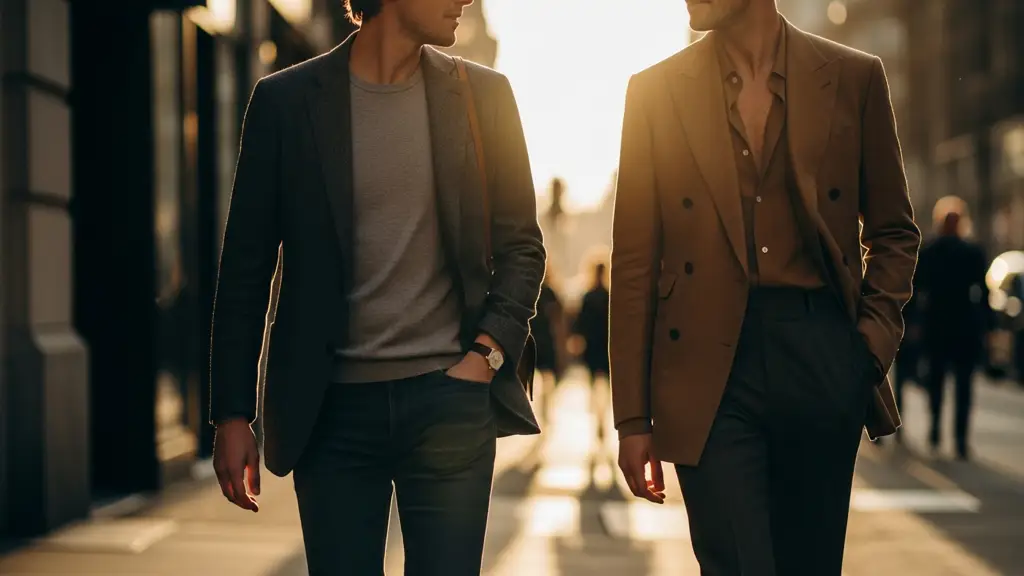
The alteration hierarchy is the single most useful thing to understand before you spend money: sleeve length and waist suppression are cheap and routine, sleeve pitch is a moderate job for a skilled tailor, and shoulder width or slope is either prohibitively expensive or genuinely impossible. That hierarchy is why we ranked the best blazers under $700 by shoulder in the first place. Every other dimension is negotiable after purchase. The shoulder is the one you buy correct or not at all.
Rough North American alteration pricing as of mid-2026, based on quotes we collected from independent tailors in Toronto, Chicago, and Brooklyn:
Alteration: Sleeve shortened (from cuff), 2026 price range: $35 to $60, Verdict: Do it, always. Alteration: Sleeve shortened from shoulder, 2026 price range: $110 to $180, Verdict: Only for working cuffs or a bad pitch. Alteration: Waist suppression / side seams, 2026 price range: $50 to $95, Verdict: Cheap fit transformation. Alteration: Sleeve pitch correction (reset sleevehead), 2026 price range: $120 to $220, Verdict: Worth it on a $600 jacket, not a $200 one. Alteration: Shoulder width reduction, 2026 price range: $250 to $450+, Verdict: Rebuilds the jacket; often not worth it. Alteration: Shoulder slope correction, 2026 price range: $180 to $350, Verdict: Sometimes impossible on a padded shoulder blazer.
The two-minute in-store shoulder test costs nothing and settles most decisions. First, stand square and check that the shoulder seam terminates at your acromion, the bony point where the collarbone meets the shoulder blade. A seam that overhangs by more than about a centimetre reads as borrowed. Second, raise both arms forward to roughly chest height and lower them. Turn your back to the mirror, or ask a friend, and look for a divot or a diagonal crease pooling behind the sleevehead. That divot means the pitch is wrong for how your arms actually hang, forward-set in most people, and it is the fixable one. Third, watch whether the collar lifts off your neck when you move. A gaping collar on a structured jacket usually means the slope is fighting you.
Applied to the ranking: Suitsupply's Havana at $499 responds beautifully to a pitch correction because the sleevehead is lightly built, while Toteme's wool blazer, currently around $890 at Toteme official site and above our ceiling, is deliberately cut with drop shoulders that no tailor should touch. Buy the shoulder you have, then spend $85 on the waist.
Where to Buy These Blazers and How to Track Price Drops
Retailer availability is the part most blazer guides skip, and it is where the money actually leaks. Every pick in our ranking of the best blazers under $700 is stocked by at least two North American sellers, which means the same jacket routinely swings $80 to $150 depending on where you check. Theory's Chambers blazer sat at $625 direct and $499 at Bloomingdale's during the March 2026 friends-and-family window. Suitsupply's Havana, at $499 with its spalla camicia shoulder, almost never discounts through the brand but shows up marked down in end-of-season sizes 36R through 40R. Boglioli's K-Jacket, nominally over our cap at $895, drops under $700 at Mr Porter and Yoox twice a year.
Sizing is the second trap. EU-cut soft tailoring runs narrower through the chest and shorter in the sleeve than a US equivalent in the same nominal number, and the shoulder is where you feel it first.
Cut: US (Theory, J.Crew), Nominal size: 40R, Actual shoulder: 18.25 in, Sleeve: 25 in. Cut: EU drop-7 (Boglioli, Lardini), Nominal size: IT 50, Actual shoulder: 17.5 in, Sleeve: 24.25 in. Cut: UK (Reiss, Paul Smith), Nominal size: 40R, Actual shoulder: 18 in, Sleeve: 25.5 in.
An IT 50 is not a US 40. If your shoulder measures 18.25 inches flat, size to IT 52 and expect the sleeve to still need lengthening.
Return policies vary more than the prices. Nordstrom and Bloomingdale's take unworn tailoring back at 30 to 90 days with no restocking fee. Yoox charges return shipping on markdown stock. Suitsupply gives 30 days but voids returns once its in-house tailor touches the garment, so try the jacket at home before booking alterations.
This is what Fetchi is built for: paste or search a blazer and we surface every tracked retailer's live price side by side, with drop history so you know whether $549 is genuinely low or just this month's number. Set an alert at your target and let the retailer come to you. Our current markdowns live on the sale page.
The decision tree, keyed to shoulder slope:
**Square shoulders (under 20 degrees of slope):** buy natural or spalla camicia. A padded shoulder blazer stacks height onto height and reads boxy. **Moderate slope (20 to 25 degrees):** roped shoulder, US cut, size to your true chest. **Steep slope (over 25 degrees):** structured with light padding, or an unstructured blazer under 700 with the shoulder seam sitting slightly inside your bone. **Asymmetric shoulders:** buy the larger side and pay a tailor $60 to $120 to balance it.
The best blazers under $700 in 2026 reward shoppers who buy the shoulder first and treat everything else as adjustable. Across the eight jackets we ranked, the pattern held: roped and structured shoulders (the Suitsupply Havana and Spier & Mackay's half-canvas) carry a room, natural and spalla camicia builds (Boglioli, SUITSUPPLY's Lazio, Sid Mashburn) read softer and travel better, and fully unstructured knits work when you need a jacket to behave like a cardigan. Price tracked construction almost perfectly, which is why a $340 half-canvas beat a $680 fused option in our scoring.
Measure the shoulder point on a jacket you already own, then filter by that number instead of your usual chest size. Shoulder width is the one dimension a tailor cannot meaningfully change, and it eliminates roughly half of any brand's size run before you order.
Buy the size that fits your shoulders and budget $80 to $150 for sleeve length, waist suppression, and a hem adjustment. Every jacket on our list was priced with that alteration allowance in mind, so a $500 blazer plus tailoring still lands under the cap.
Set a price alert on the two jackets you shortlisted rather than watching one. Structured tailoring from Suitsupply and Spier & Mackay moves during end-of-season markdowns, and tracking a pair doubles your odds of catching a real drop instead of a manufactured sale.
Buy for the shoulder, alter the rest, and wait for the number you want.
Frequently asked
- What is the best blazer under $700?
- For most people the best blazer under $700 in 2026 is a half-canvassed wool jacket with a natural shoulder, because it holds shape without the cost of a fully roped construction. If your shoulders slope, choose a lightly padded or roped shoulder instead. If your shoulders are already square, an unstructured jacket in the $250 to $450 range gives you better value and more comfort.
- How do you tell if a blazer has a good shoulder?
- Put the jacket on and check that the shoulder seam lands at the bony point of your shoulder, not past it onto your arm. Raise both arms halfway and look for a divot or collapse behind the sleevehead, which signals a poorly set sleeve. Finally, pinch the shoulder: you should feel a thin layer of canvas or wadding rather than stiff fused glue.
- Are expensive blazers worth it?
- Above roughly $700 you are usually paying for full canvassing, hand-set sleeves, and better cloth, all of which extend a jacket's life and improve how it drapes over time. Under $700 you can still get half canvassing and honest wool, which covers most wardrobes. The upgrade is worth it only if you wear tailoring weekly.
- Can a tailor fix blazer shoulders?
- A tailor can adjust sleeve length, waist suppression, and sometimes sleeve pitch at modest cost. Changing shoulder width or slope means detaching the sleeve, recutting the shoulder, and resetting the canvas, which typically runs $250 or more in North America and risks throwing off the jacket's balance. Buy the shoulder that already fits.
- What is the difference between a roped and unstructured shoulder?
- A roped shoulder uses wadding at the sleevehead so the sleeve rises slightly above the shoulder line, creating a crisp squared silhouette. An unstructured shoulder omits padding and canvas entirely, so the fabric follows your natural shoulder slope. Roped construction corrects a sloping frame, unstructured construction reveals it.
More from Fetchi
Related reading
Buyer Guide
Best women's loafers under $1,000 in 2026, ranked by craft
A live edit of the women's loafers worth shortlisting this season across our retailers, plus what to actually look for in a sub-$1,000 pair before you commit.
Read
Buyer Guide
The best linen pieces for summer 2026
Linen is the only fabric that gets better as the temperature climbs. The trousers, shirts, and dresses worth buying this summer.
Read
Buyer Guide
Best Sweaters Under $500 in 2026, Ranked by Knit
We ranked the best sweaters under $500 for 2026 by what actually matters: knit gauge, fiber quality, and seam construction. From full-fashioned cashmere to chunky lambswool, here is where your money buys real longevity.
Read