Trend
The case for buying second-hand luxury bags in 2026
Pre-owned is the only register where the math on a $4,000 bag actually pencils. A buyer guide to the houses, the platforms, and the tells.
By Fetchi Editorial, Womenswear desk
5 min read
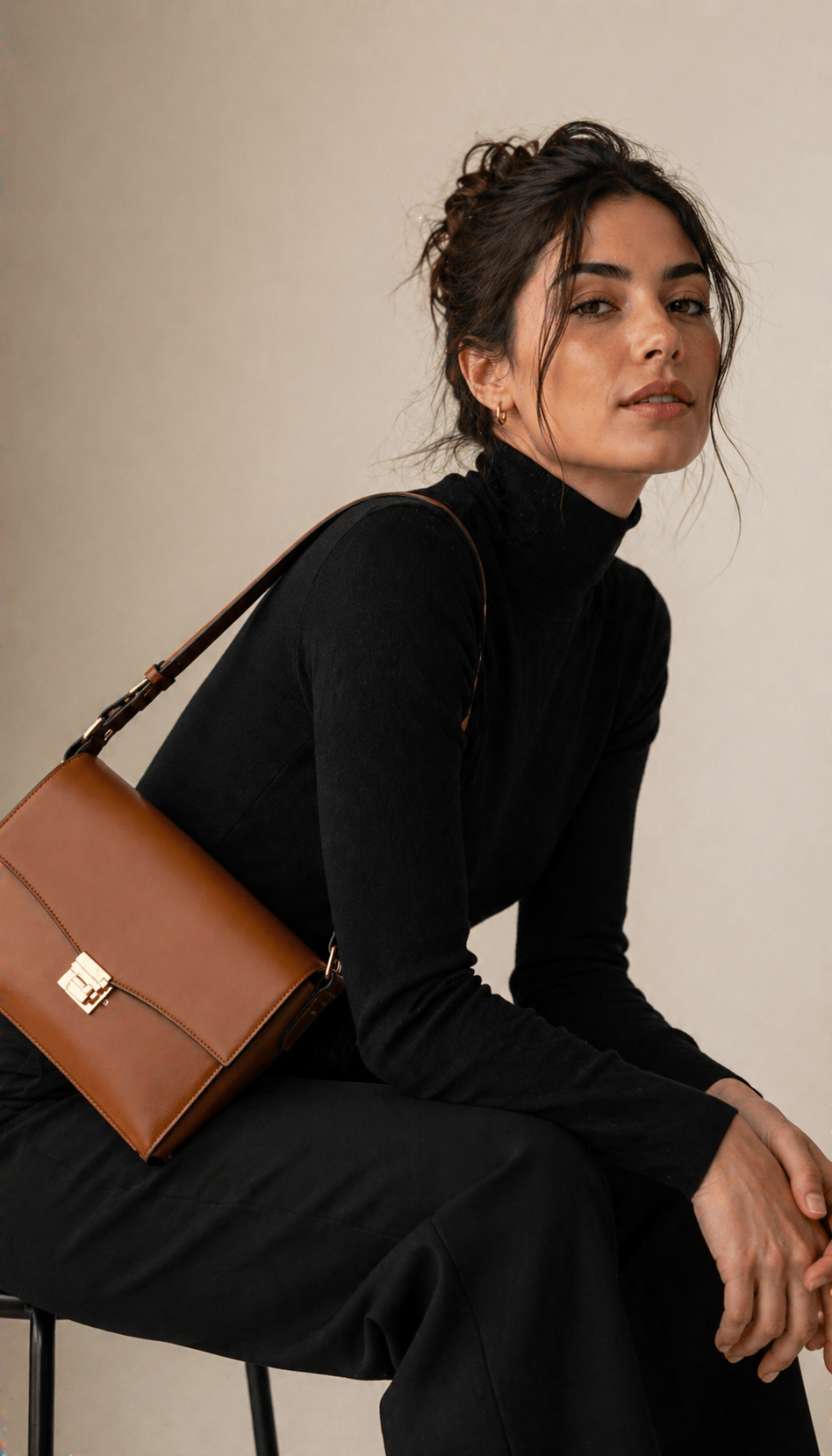
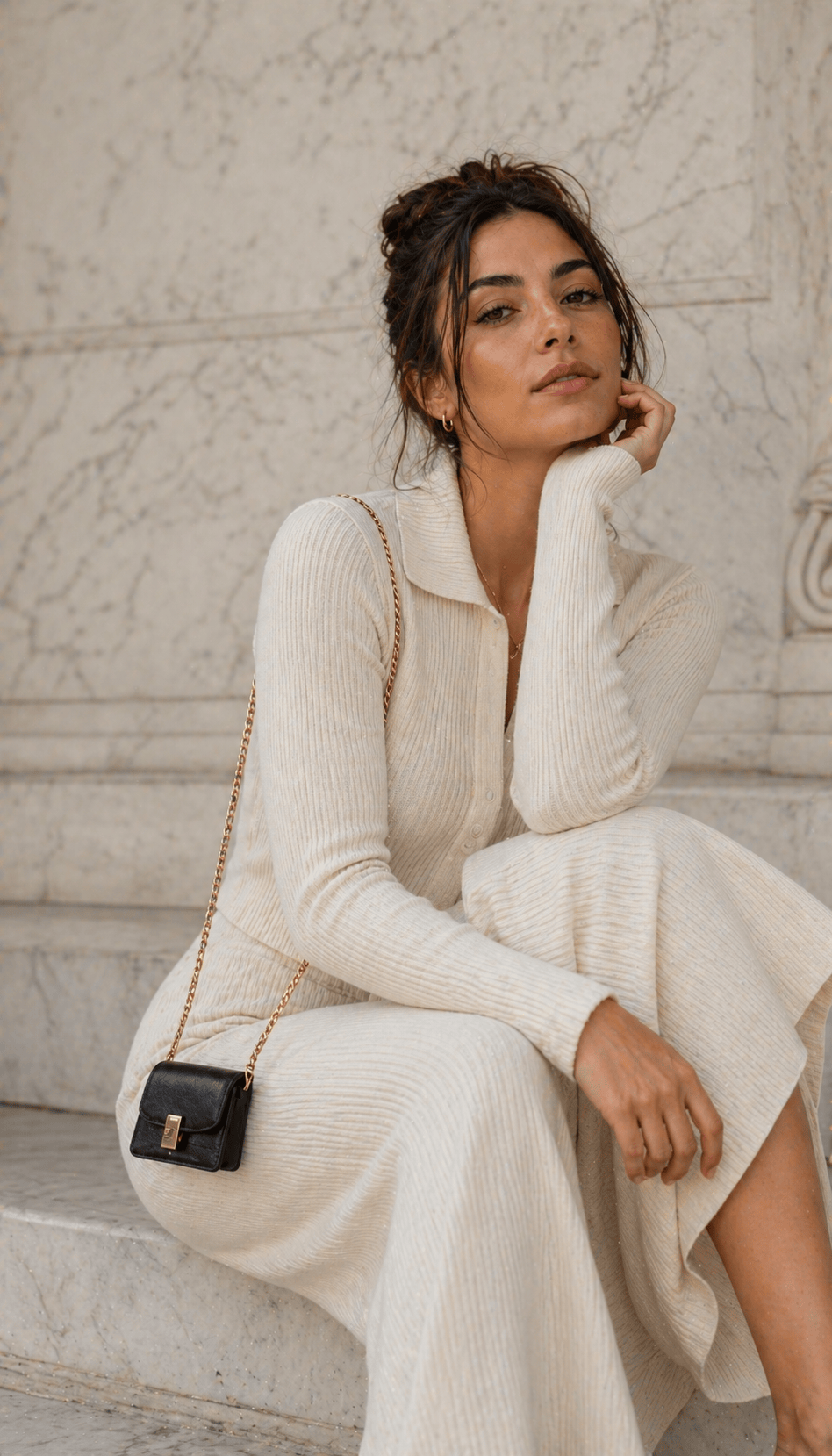
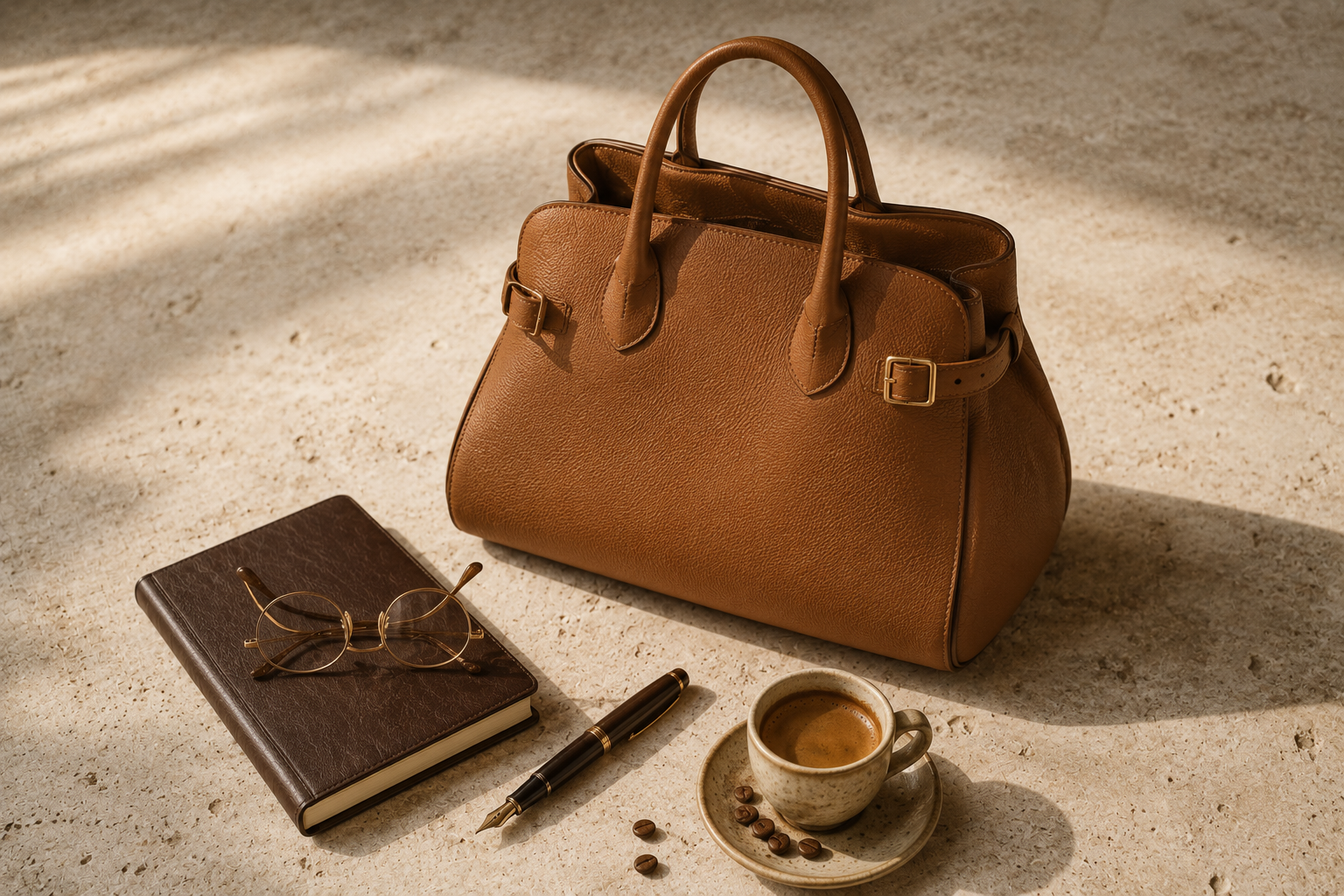
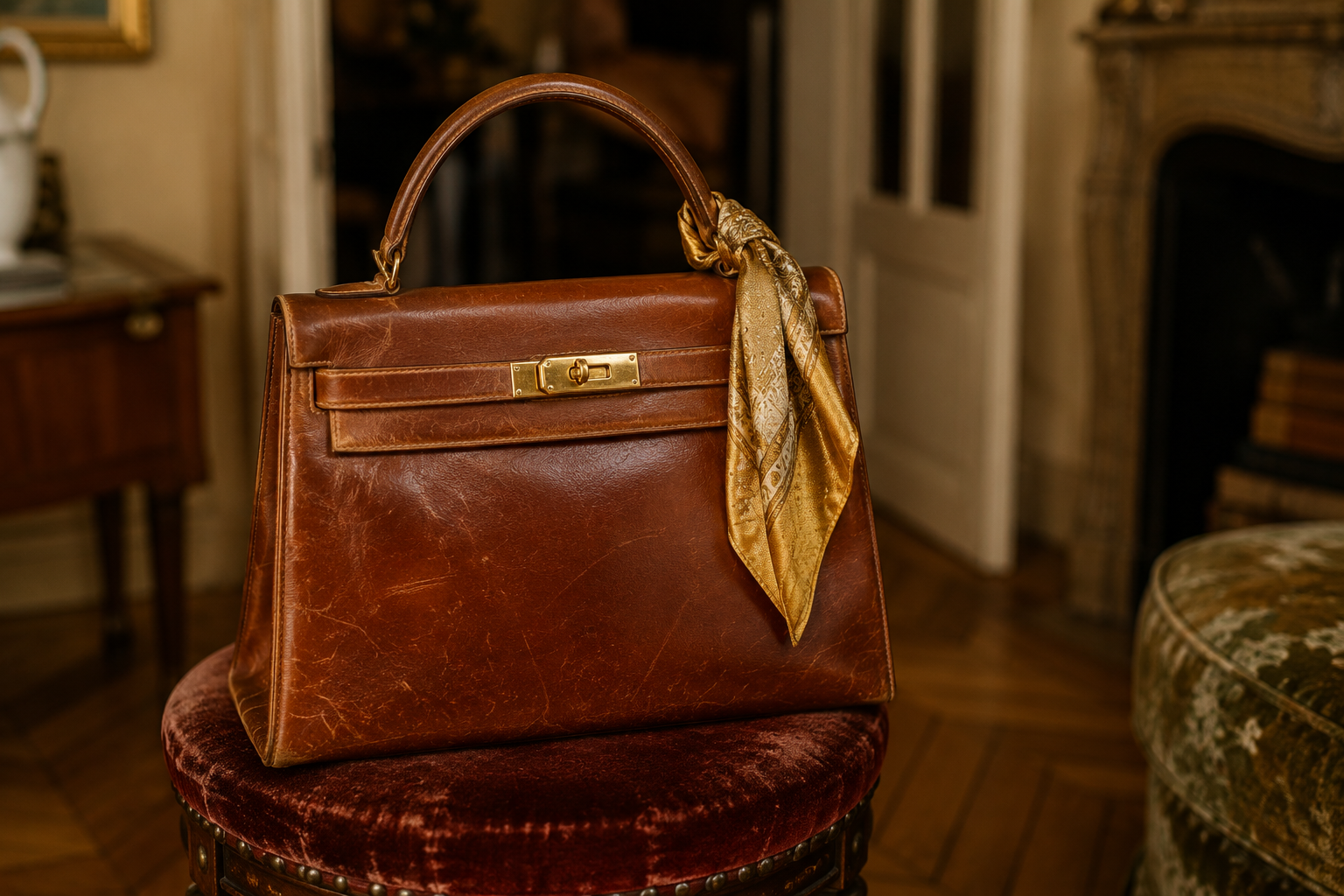
The new-luxury bag market has spent the last three years pricing itself into a corner. The flagship shapes at the heritage houses have crossed the $4,000 threshold; the contemporary tier has crept past $1,500; and the spread between retail and any honest read on construction has gotten wide enough that the pre-owned register is the only place the math still pencils. A five-year-old Loewe Puzzle in good condition trades at roughly half of its current retail price. The leather is broken in, the hardware is solid brass that has aged rather than chipped, and the construction is from a production window that most observers consider tighter than the current one. The case for buying second-hand in 2026 is no longer a sustainability argument dressed up as a price argument; it is a quality argument that happens to also be cheaper.
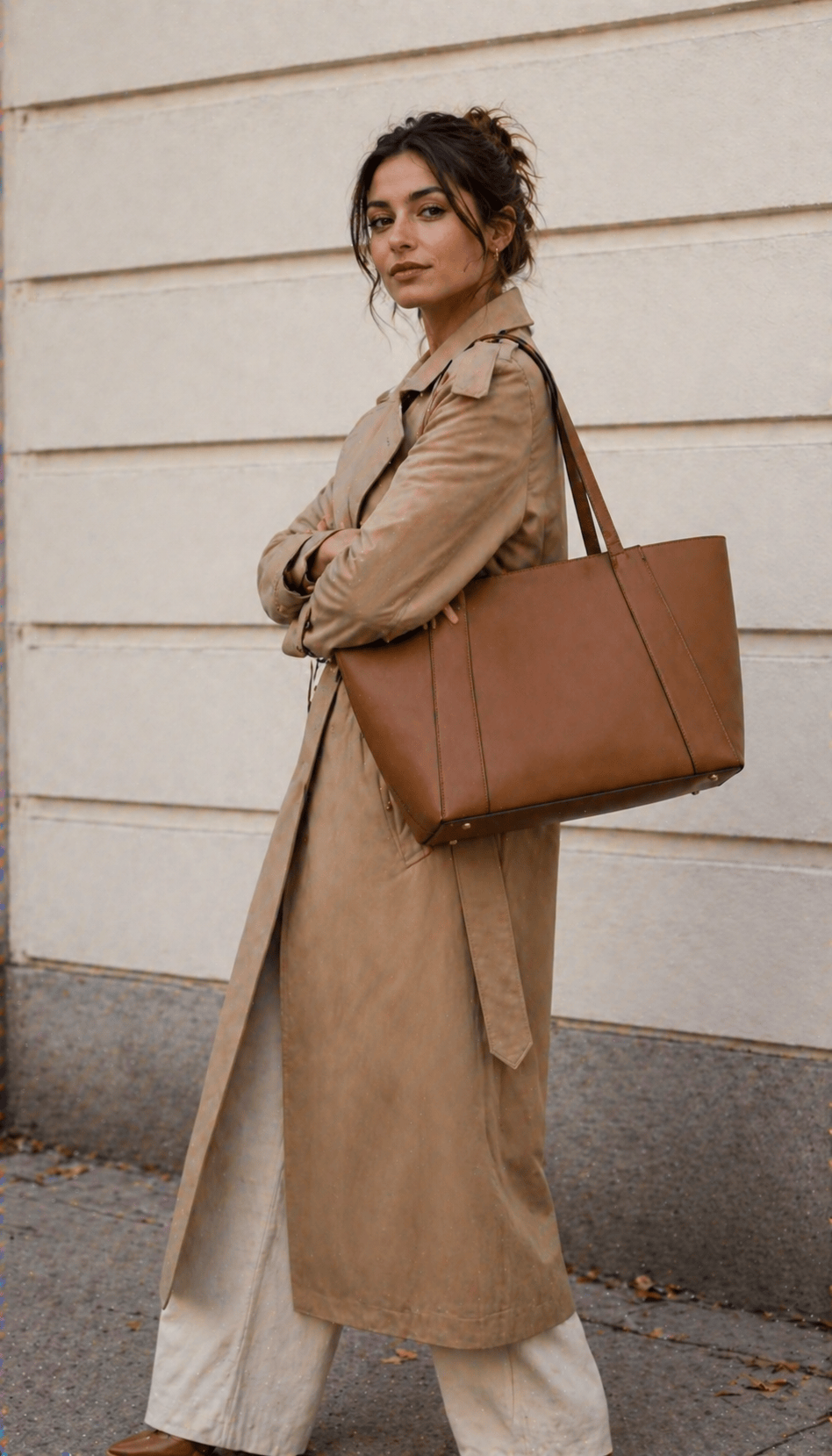
This piece is a buyer guide for the pre-owned luxury bag market. The thinking lines up with our case for buying vintage in 2026 and our case for a single good handbag: the heritage houses produce the pieces that hold up, the secondary market re-prices them honestly, and the wardrobe that results is more coherent than the one a comparable new-purchase budget builds.