Trend
The case for Japanese denim in 2026
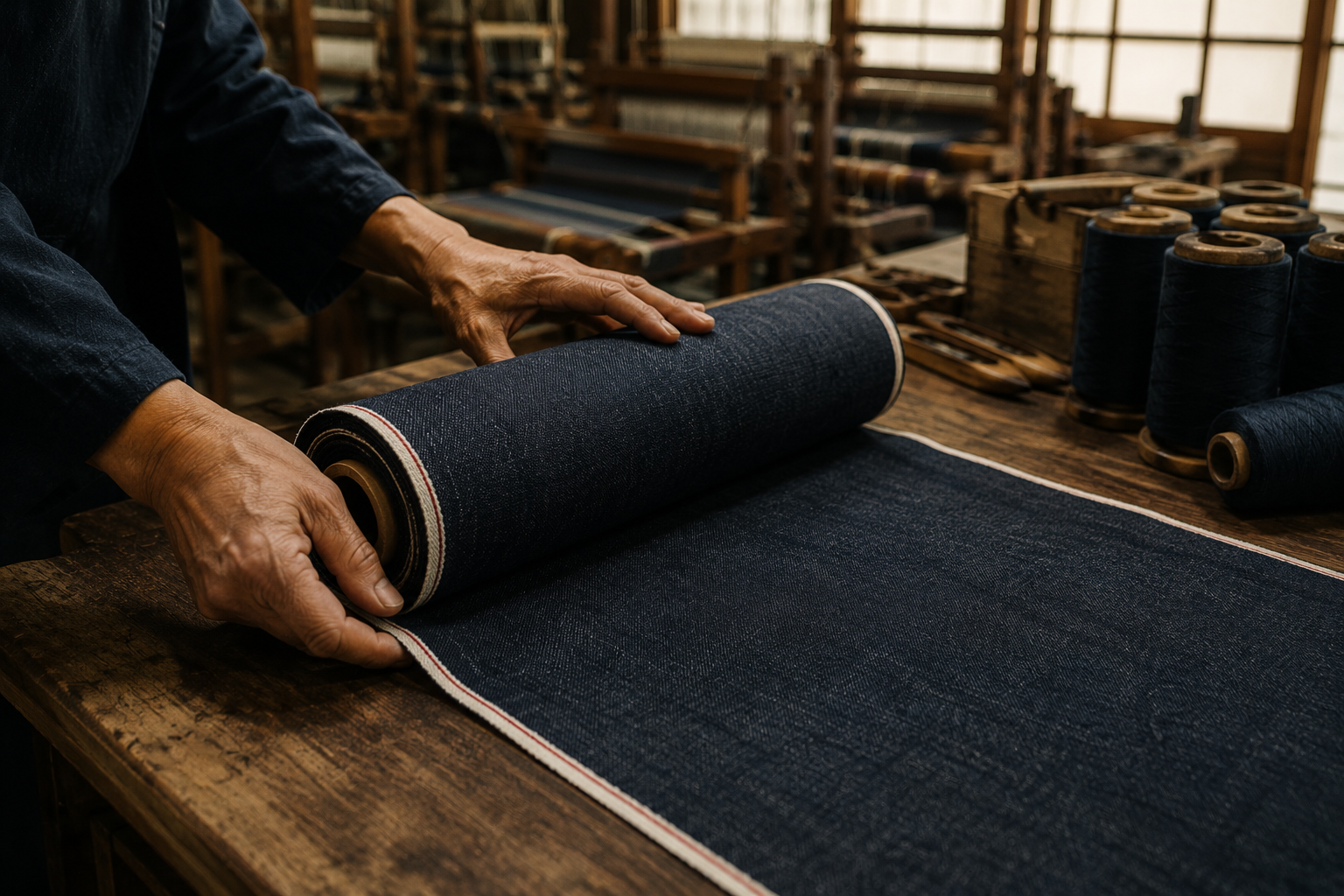
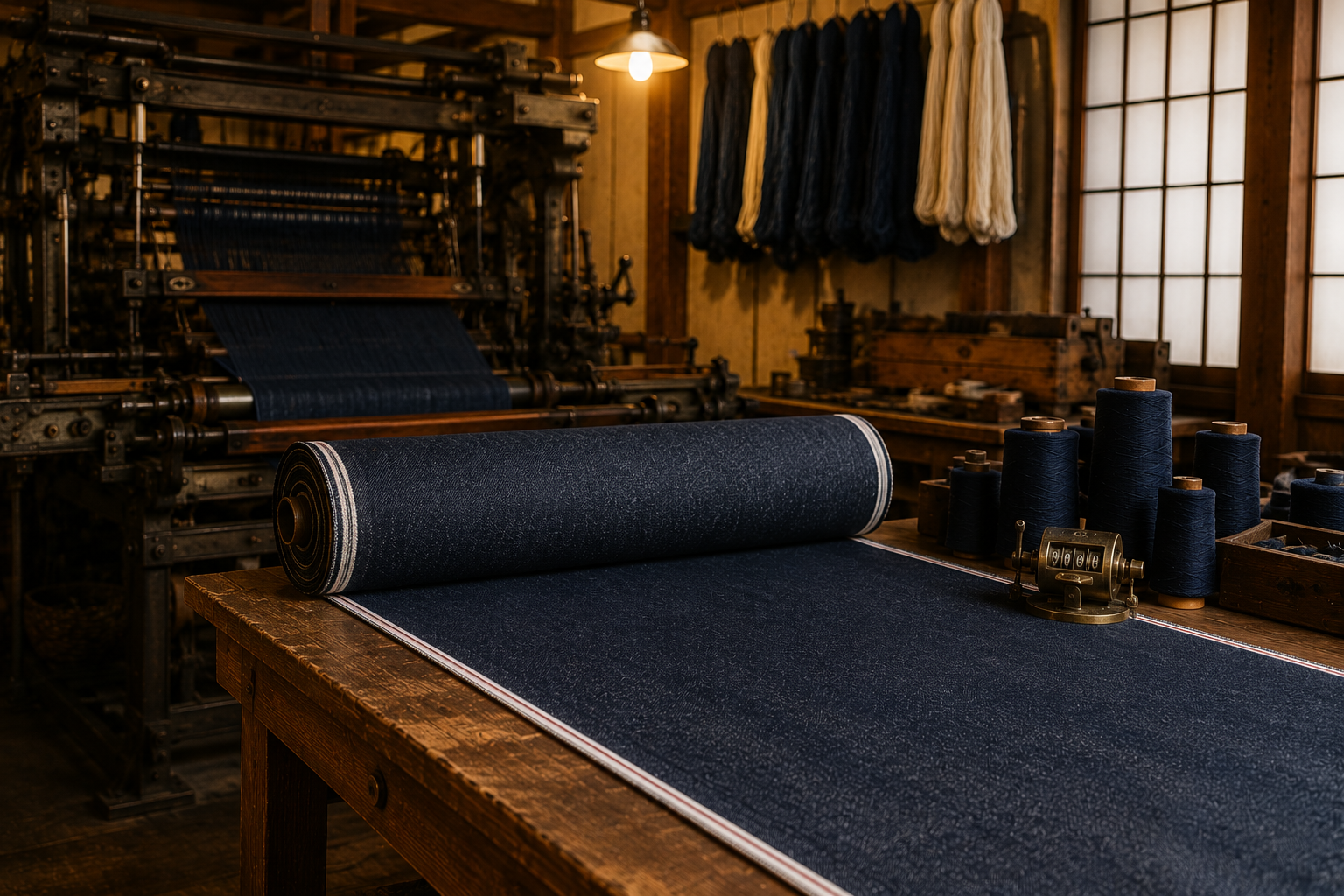
Selvedge mills in Okayama still weave on shuttle looms that the rest of the world retired in the 1980s. Here is why that matters.
By Fetchi Editorial, Denim desk
6 min read
Japanese denim is the rare category where the romance and the reality line up. The mills in Okayama, Hiroshima, and Kojima never retired their old American shuttle looms when the rest of the global denim industry switched to projectile and air-jet weaving in the 1980s. Forty years later, those slower, narrower looms are the reason a pair of $300 Japanese jeans wears in differently than a $90 pair from a fast-fashion label. The fade pattern, the hand, and the longevity all trace back to a manufacturing choice the rest of the world walked away from.
This piece is the long argument for why that matters, and where the category sits in 2026. The thinking lines up with our case for unbranded basics and the cashmere piece: construction is the value, not the label, and the gap between mass-market and mill-made is more visible than the gap between most contemporary brands.