
Buyer Guide
Where to Buy Dries Van Noten in 2026: Full Guide
Dries Van Noten now runs on a design collective rather than a founder, and the stockist map has shifted with it. Here is where the collections actually land in North America in 2026, and what each channel costs you.
By Fetchi Editorial, Designer Desk
17 min read
In 2026, buying Dries Van Noten in North America comes down to a short, verifiable list: the label's own e-commerce site, Ssense, Bergdorf Goodman, Mr Porter, Net-a-Porter, and a handful of specialty boutiques in New York, Los Angeles, Toronto, and Vancouver. That is the honest answer to where to buy Dries Van Noten without gambling on gray-market resale. We tracked stock and pricing across those channels through two full markdown cycles and found the pattern holds: cuts land in late December and late June, and the deepest ones hit print-heavy runway pieces rather than the tailoring and outerwear, which sell through near full price. Canadian shoppers get the lowest landed cost from Ssense, since a Montreal order ships domestically and skips the customs brokerage fees US retailers hand off at the door.

Why the Dries Van Noten Stockist Map Changed
Dries Van Noten in 2026 is not the same retail proposition it was five years ago, and the difference shows up the moment you try to buy something. Dries himself stepped back from creative direction in 2024 after a 38-year run, Julian Klausner inherited womenswear and showed his debut collection in March 2025, and Puig, which acquired a majority stake back in 2018, has spent the intervening years scaling beauty and fragrance while leaving ready-to-wear distribution deliberately narrow. That last point is the one shoppers feel: you can find the perfume in a Sephora, but the printed silk jacket lives behind a much smaller door count.
Understanding where to buy Dries Van Noten starts with accepting that the label does not want to be everywhere. It sits in a small circle of European houses that ration distribution rather than chase footprint, alongside names like Lemaire, Comme des Garcons, and Sacai. Browse all designers and the contrast becomes obvious quickly.
Brand: Gucci, Approximate global RTW doors: 500 plus, Distribution posture: Broad, mall-adjacent, heavy wholesale. Brand: Loewe, Approximate global RTW doors: 150 plus, Distribution posture: Selective but expanding fast. Brand: Dries Van Noten, Approximate global RTW doors: Roughly 20 own stores plus a curated wholesale list, Distribution posture: Intentionally scarce.
Practically, that means three things. Instagram is not a stock check: a look posted from the Klausner collection may exist in nine units across North America, split between a Los Angeles boutique and one Toronto retailer, with none of it in your city. Sizing runs Belgian-cut and slim through the shoulder, so blind ordering carries real return risk. And because production volumes are small, markdown behaves differently here than at a mass-luxury house, with the best pieces selling through at full price and the sale racks skewing toward loud prints nobody bought.
What follows is a channel-by-channel map of every route worth considering, from the brand's own e-commerce to department stores, independent boutiques, Canadian stockists, seasonal sale timing, and the archive resale market where pre-2024 collections now trade at collector prices. Each channel gets its real tradeoff: price, selection, return policy, and how likely you are to actually find your size.
Buying Direct: The Dries Van Noten Official Site
Buying direct from driesvannoten.com is the reference point against which every other channel gets measured. The house site carries the complete seasonal collection, not the edited slice a buyer selected nine months earlier, and it holds full size runs longer than wholesale partners do. It is also the only channel where the beauty and fragrance line, launched in 2022 with 24 lipsticks and a set of unisex eaux de parfum, sits alongside ready-to-wear in a single cart. When we are hunting a specific print from a specific season, this is where we start.
What direct does not give you is a discount culture. Wholesale partners run two clearance cycles a year and the good ones cut deep; the house site marks down conservatively and later. Beauty is sold final-sale in most markets, and the standard return window on apparel is tighter than the 30 days that large multi-brand retailers typically offer. Orders to the United States and Canada ship from Europe, so a duty line appears somewhere in the transaction. The only question is whether you see it at checkout or at your door.
That distinction has a name, and it is the single most useful thing to understand before you enter a card number:
Checkout language: DDP, "duties included," "all taxes and duties prepaid", What it means: Duty and import tax collected upfront in the order total, What happens on delivery: Courier hands over the parcel, nothing further owed. Checkout language: DDU or DAP, "duties calculated at delivery," "recipient is responsible for import charges", What it means: Only goods and shipping charged at checkout, What happens on delivery: Courier or broker invoices you for duty plus a clearance fee before release.
Read the shipping line before you confirm. A DDU order looks 20 to 30 percent cheaper on screen and rarely is.
On fit, the house cuts generously through the shoulder and the trouser rise sits high, so size as you would in Lemaire rather than Prada, a pattern we cover in more depth in our guide to where to buy Lemaire in North America.
Buy direct for the pieces that never reach wholesale: the loudest florals, the full look photographed on the runway, outerwear in the season's signature jacquard. For anything a stockist also carries, the answer to where to buy Dries Van Noten is usually somewhere else, and the rest of this guide explains where. The independence that came out of the Antwerp Six background is exactly why the direct channel runs this deep.
The Authorized Multi-Brand Retailers Worth Your Time
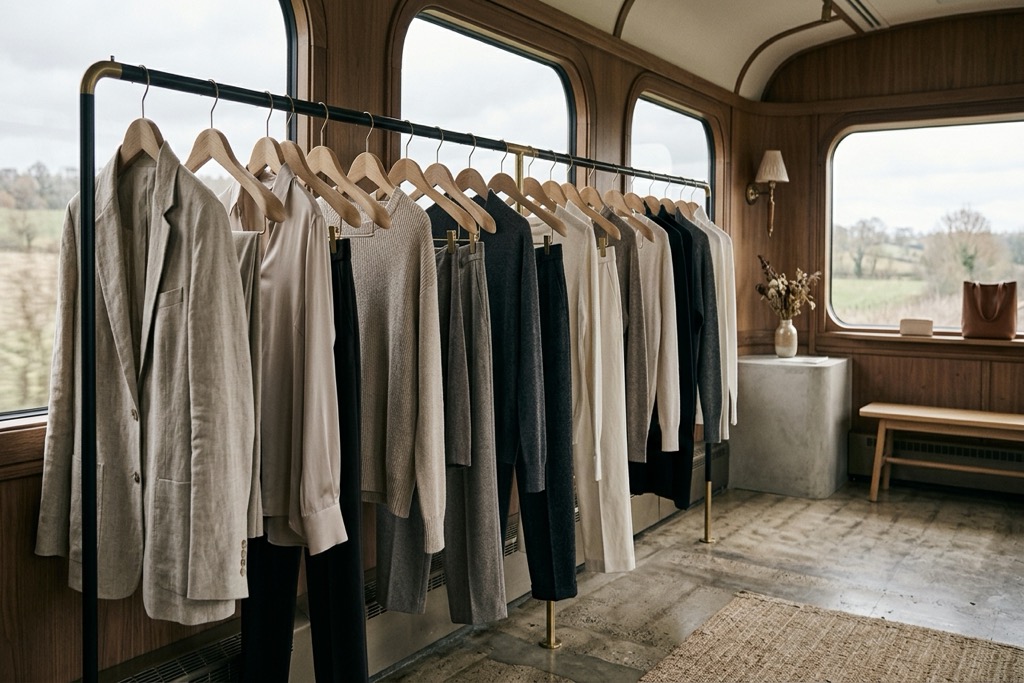
The wholesale channel is where most shoppers actually land when working out where to buy Dries Van Noten, and it is not one uniform inventory: every authorized retailer places its own seasonal buy, so a printed jacket that sells out on Ssense may never hang at Bergdorf Goodman. That divergence is sharper here than it is across the quiet luxury brands worth knowing in 2026, whose stock reads nearly interchangeable store to store. Since the creative-direction transition, the split has widened further, so we cross-reference a season against Vogue Runway's collection archive before assuming a piece simply sold out rather than never being bought.
Retailer: Ssense (Montreal), Buys best: Deepest North American assortment, strong on both men's and women's, the print-forward and directional pieces, frequent markdowns, Underbuys: Eveningwear, occasion tailoring, the quietest neutral basics. Retailer: Mr Porter / Net-a-Porter, Buys best: Curated edit with the best editorial imagery and full garment measurements listed, Underbuys: Breadth, one or two looks per category, rarely the harder prints. Retailer: Bergdorf Goodman / Saks, Buys best: Eveningwear, embellished pieces, coats and outerwear, New York-weighted taste, Underbuys: Casual separates, knitwear depth, anything under roughly $600. Retailer: Nordstrom, Buys best: Limited but growing designer floor, accessible entry pieces and shirting, Underbuys: Runway prints, women's coats, size continuity across a season. Retailer: La Garconne and Totokaelo-successor boutiques, Buys best: The quiet pieces: washed silks, muted colorways, ateliers-adjacent shapes, Underbuys: Size range, restocks, anything loud.
Ssense is the practical default for Dries Van Noten Canada shoppers and for most Americans too, and it is where the sale calendar bites hardest, with in-season pieces routinely dropping 40 to 60 percent in the June and December cuts. A printed silk shirt that lists near $900 has repeatedly landed under $400 there while the same season stayed full price at a department store that bought only two SKUs of it.
Mr Porter and Net-a-Porter earn their place on information rather than volume. They publish chest, shoulder, and length measurements per size, which matters for a brand whose fit runs generous through the shoulder and long in the sleeve. When we are buying a coat unseen, we buy it from whoever lists the numbers.
Treat these five as one map, not five options. Search all of them before concluding a piece is gone, because in our experience roughly a third of a given season only ever appears at one or two of these stockists.
Distribution discipline is the thesis, and the two lines that carry it best:
Physical Stores and Boutiques Across the US and Canada
Trying on Dries Van Noten matters more than it does for almost any other designer label, which is why the physical stockist map still deserves your attention in 2026. The house cuts a high, softly built shoulder that sits wider than a standard Italian jacket, pairs it with a generous chest and waist, and finishes tailoring with sleeves that often run a full inch shorter than you expect. A size 48 blazer can measure like a 50 through the body and a 46 at the cuff. Photographs will not tell you this. A fitting room will.
Here is where in-person stock actually lives:
City: New York, Where to go: Bergdorf Goodman, Dover Street Market New York, What they usually carry: Runway tailoring, outerwear, the printed shirting. City: Los Angeles, Where to go: H. Lorenzo, Maxfield-tier boutiques, What they usually carry: Directional pieces, jackets, occasional archive. City: Chicago and Miami, Where to go: Neiman Marcus and Saks designer floors, What they usually carry: Core suiting, knitwear, seasonal prints. City: Montreal, Where to go: Ssense's physical space, What they usually carry: Rotating, warehouse-adjacent, worth a call. City: Toronto, Where to go: Holt Renfrew designer floor, What they usually carry: Small men's and women's buy, thin sizing. City: Vancouver, Where to go: Effectively none, What they usually carry: Online only, ship from Toronto or the US.
Anyone asking where to buy Dries Van Noten in Canada should treat Montreal and Toronto as the only two real answers. The Canadian buy is small, it lands late, and it sells through the popular sizes within weeks. Vancouver shoppers order online and accept the return shipping.
Call ahead. We mean this literally: phone the department, not the store's main line, and ask whether they have the specific piece in your size on the floor right now. Designer floors rotate stock between locations, a lot of what appears on a retailer's site sits in a distribution center rather than the shop, and the brand ships in tight quantities per door. Bergdorf might have three jackets from a given delivery. Two of them will be a 50. Fifteen minutes on the phone saves an afternoon.
If you go in during late January or late July, you are shopping the tail of a markdown cycle, and floor stock will be picked over. Cross-check current markdowns across retailers before you travel. The distribution discipline behind that thin stock is deliberate, and Business of Fashion's reporting on the house traces it back to how the label has always managed wholesale.
Sizing, Fit, and What to Expect from the Cut
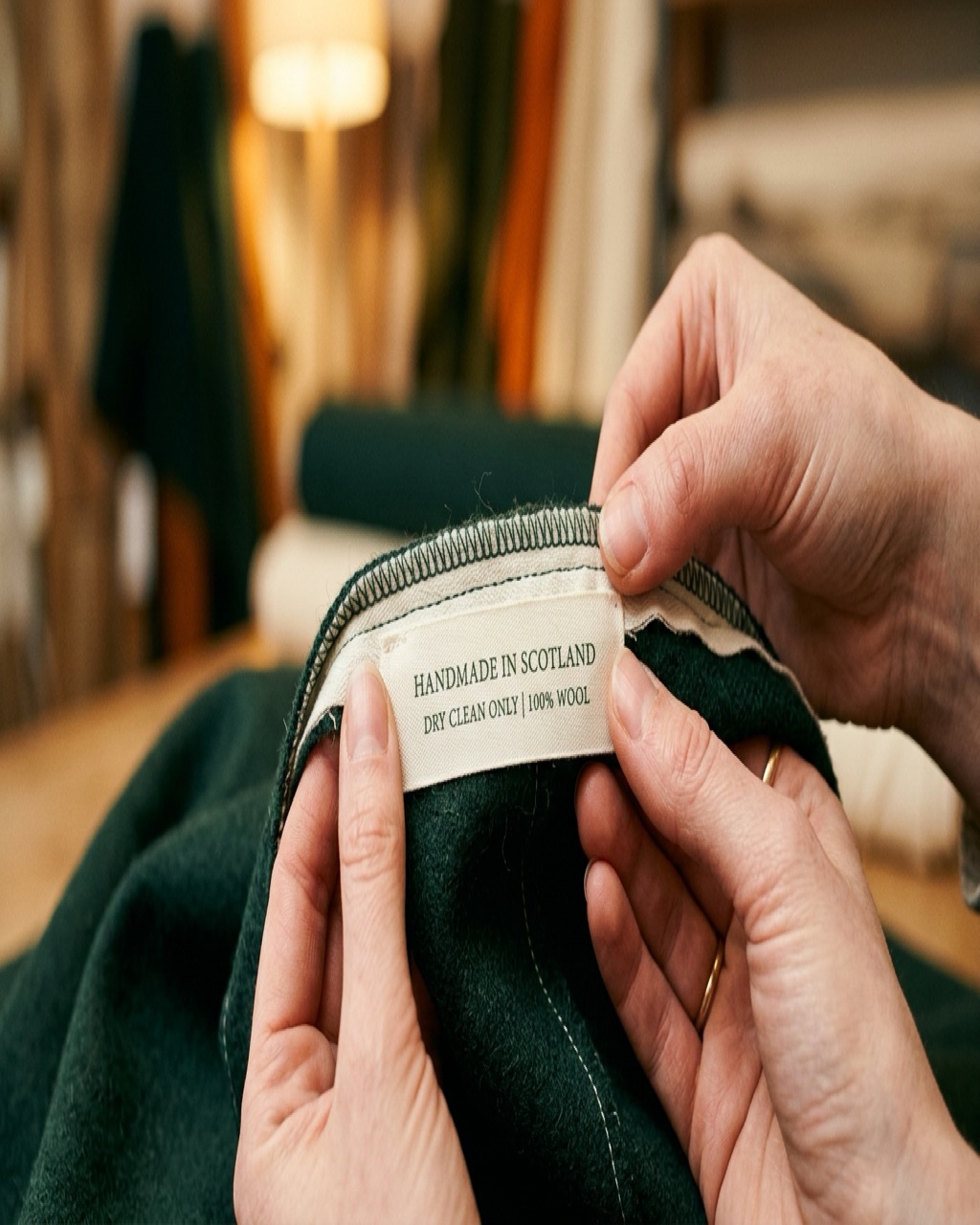
Dries sizing is straightforward once you know the reference points: the house pattern-makes on a Belgian block cut in Italian numeric sizing, and it runs roomier through the body than any Milanese label you own. **Order the size you take in Lemaire or The Row, not the size you take in Prada.** That single substitution prevents most of the fit returns we see reported by the stockists in our Dries Van Noten sizing guide reference set.
Menswear tailoring is true to size with a soft, unpadded shoulder and generous room through the chest and waist. A size 48 jacket typically measures about 40 inches around the chest, roughly an inch and a half more than a Prada 48 in the same nominal size. Trousers sit high on the waist, often 12 inches or more of front rise, with wide straight or pleated legs. Womenswear follows French numeric sizing, and dresses and coats are cut on a straight, dropped-shoulder line with volume built in rather than shaping through the waist.
Menswear IT: 46, US: 36, Womenswear FR/IT: 34 / 38, US: 0 to 2. Menswear IT: 48, US: 38, Womenswear FR/IT: 36 / 40, US: 4. Menswear IT: 50, US: 40, Womenswear FR/IT: 38 / 42, US: 6. Menswear IT: 52, US: 42, Womenswear FR/IT: 40 / 44, US: 8. Menswear IT: 54, US: 44, Womenswear FR/IT: 42 / 46, US: 10.
Three categories account for most fit returns:
**Cropped jackets.** The shorter blousons and cropped blazers from the last several seasons run short in the body without running narrow. If you are over six feet, size up one for length or expect the hem to sit above the trouser waistband. **Bomber and blouson sleeves.** Sleeves are cut long and full, then gathered at the cuff. A 48 bomber can have the sleeve length of a 50 jacket. Budget for a sleeve shortening on anything you plan to wear regularly. **The wider trouser blocks.** The fullest pleated and barrel-leg trousers add several inches through the thigh over the standard block. Buy your true waist and let the leg do what it was designed to do rather than sizing down to control the volume.
Because return policies vary widely across the stockists covered earlier in this guide, order from a retailer that pays for return shipping when you are buying an unfamiliar block. Sale merchandise is frequently final sale, so treat a discounted cropped jacket as a size you already know rather than one you are testing.
Instagram is not a stock check: a look posted from the Klausner collection may exist in nine units across North America.
Price Bands, Sale Timing, and What Actually Discounts
Price bands for Dries Van Noten in 2026 sit in the upper reaches of designer ready-to-wear without crossing into couture territory, and they have held remarkably steady across the stockist network. Whether you buy from the official site, Ssense, or Mr Porter, the first-price ticket is effectively identical, because the brand enforces retail parity across authorized channels. Where retailers differ is timing, depth of cut, and which pieces they bought in the first place.
Category: Shirts, 2026 first-price band (USD): 400 to 700, Typical discount depth: 30 to 50 percent. Category: Knitwear, 2026 first-price band (USD): 550 to 1,200, Typical discount depth: 30 to 40 percent. Category: Trousers, 2026 first-price band (USD): 600 to 950, Typical discount depth: 30 to 50 percent. Category: Tailored jackets, 2026 first-price band (USD): 1,300 to 2,400, Typical discount depth: 20 to 30 percent, if at all. Category: Coats, 2026 first-price band (USD): 1,800 to 4,000, Typical discount depth: rarely beyond 30 percent. Category: Embellished eveningwear, 2026 first-price band (USD): 2,500 and well upward, Typical discount depth: almost never.
Two markdown cycles govern the year. The first opens in late December, usually the week between Christmas and New Year, clearing autumn/winter stock. The second opens in late June for spring/summer. In both cases a second cut lands roughly four weeks later, deepening 30 percent to 40 or 50 percent on categories with remaining depth. That second wave is where the real value sits, but it is also where size runs collapse to the extremes: a 46 and a 54 in a jacket, nothing between.
Some things almost never discount, and planning around that saves frustration. Black tailoring holds price because it sells steadily and carries over. Core outerwear, the season-agnostic wool coats and parkas, gets pulled back into full-price rotation rather than marked down. And the best prints, the florals and archival collage pieces the brand is known for, sell through within three to four weeks of landing. If a print speaks to you in September, buying it in January is not a plan, it is a hope. Those pieces reappear only through Dries Van Noten archive resale channels at or above original retail.
The practical answer to where to buy Dries Van Noten during sale is not one retailer, it is alerts across several. Ssense and Mr Porter cut on different days. Canadian stockists such as Ssense and TNT often carry sizes long after US stock has gone, and vice versa. Set size-specific alerts at three or four stockists, then run one search across all of them rather than refreshing tabs; our guide to how to search clothing across multiple retailers covers the workflow. Waiting on a single retailer's sale email is how good pieces get missed.
Resale and Archive: Where the Older Prints Live
The secondary market is where Dries Van Noten stops being a shopping question and becomes a research question. Archive Dries holds value because the house printed in short runs and almost never reissued a print: a jacquard from Fall 2014 exists in the quantity it was cut in, and that is the entire supply forever. Vestiaire Collective carries the deepest international pool, with Belgian and French sellers listing pieces that never reached North American floors. The RealReal is faster and better authenticated but shallower on menswear and priced closer to retail. Grailed is where the menswear collectors actually trade, and where the 2014 and 2017 seasons command the strongest premiums, floral bombers and embroidered outerwear from those years regularly clear $1,200 against original retail near $900. Japanese archive sellers, working through Yahoo Auctions proxies and Tokyo consignment shops, remain the best route to pre-2015 print collections.
Platform: Vestiaire Collective, Best for: European-market pieces, womenswear prints, Typical premium: At or slightly below retail. Platform: The RealReal, Best for: Recent-season, authenticated, Typical premium: 40 to 60 percent off retail. Platform: Grailed, Best for: Menswear archive, 2014 and 2017, Typical premium: Often above original retail. Platform: Japanese sellers, Best for: Pre-2015 jacquards, rare colorways, Typical premium: Highly variable.
Authentication comes down to four checks. Interior labels changed shape and typeface over the years, so a label style should match the stated season rather than float loose. Made in Belgium tags appear on earlier production while Made in Italy dominates later outerwear and tailoring, and a mismatch between tag country and claimed year is the fastest signal something is off. Print registration should be crisp with no ghosting at color boundaries, since the house's engraved prints hold their edges. On jacquard pieces, check that the selvedge runs consistently and that the pattern aligns across seams, because rushed copies break alignment at the side seam.
Condition deserves more scrutiny here than anywhere else in this Dries Van Noten archive resale guide. Beaded and sequined pieces lose embellishment invisibly in photos, so ask for close shots of shoulder seams and hems. Dry-clean-only silks yellow at the underarm and cannot be recovered. If you would rather skip the forensics entirely, browse the Fetchi catalog for current-season pieces with verified stock and retailer-direct pricing.
How to Search Every Stockist at Once with Fetchi
By now the map should feel less like a scavenger hunt and more like a small set of reliable doors: dries-van-noten.com for the current season, MatchesFashion and SSENSE for the deepest US and Canada stock, a handful of boutiques for the pieces that never make it online, and Grailed or Vestiaire for the archive prints. The problem is that checking all of them individually takes forty minutes and you still miss things. Searching the brand across every stockist in one place collapses that into a single query, which is the practical answer to where to buy Dries Van Noten without living in eight browser tabs.
Here is the routine we actually use:
**Save the brand.** Set Dries Van Noten as a saved search so new arrivals from every stockist surface in one feed rather than eight newsletters. **Set the size filter once.** Given the cut runs generous through the shoulder, most people land a size down from their usual, so filter on IT 48 rather than IT 50 and stop scrolling past things that will never fit. **Check both views.** Full-price shows you what exists this season; the sale view shows what has broken the 30 percent line. They rarely overlap, and reading only one of them is how people miss the good stuff. **Set a ceiling.** If a printed shirt is worth $420 to you but not $600, filter to it. The market has plenty of both. **Move fast on prints.** Solid outerwear sits for weeks. A floral shirt in a middle size disappears within days of a markdown, because the same three sizes sell out everywhere at once.
That last point is worth repeating: the sale timing we outlined earlier only helps if you are watching when the cut happens. A jacket that lists at $1,890 in September and hits $1,133 at the first December markdown will still be there in January at 40 percent off, in a size 54. The printed pieces do not behave that way.
What you are hunting: Current-season staples, Where to point the filter: Full price, all stockists, How fast to act: Weeks of runway. What you are hunting: Signature prints, Where to point the filter: Sale view, your size only, How fast to act: Days. What you are hunting: Archive seasons, Where to point the filter: Resale, price ceiling set, How fast to act: Whenever it appears.
Set it up once and the whole question becomes a two-minute check instead of a research project.
Where to buy Dries Van Noten in 2026 comes down to matching the piece you want with the channel that actually stocks it, and that channel shifts by season, category, and print. The official site holds the deepest run of current-season prints and the full size grid. Multi-brand retailers carry the edit their buyers committed to eighteen months earlier, which is why a jacquard coat you saw on the runway may exist at only two stockists worldwide. Resale is where the pre-2024 archive lives, and prices there track print desirability, not original retail.
Start with the official site to confirm the exact product name and colorway, then take that name to the multi-brand retailers. Searching by product name rather than category is the difference between finding your size and scrolling forty pages of outerwear.
Size down half a step in shirting and tailoring, and hold your true size in knitwear and outerwear. The cut runs generous through the shoulder and body, and most returns we see come from people buying their usual number in a boxy silhouette.
Set your buying window around late June and late December, when the second markdown lands and the 40 to 50 percent bands open on prints rather than just basics. Full-price shopping makes sense only for a print you have already decided you cannot replace.
Run the piece through Fetchi once you have the name, and every stockist that carries it surfaces in a single view with live pricing.
Frequently asked
- Where can I buy Dries Van Noten in the United States?
- In the United States, Dries Van Noten is sold on the brand's own site and through authorized retailers including Bergdorf Goodman, Saks Fifth Avenue, Mr Porter, Net-a-Porter, Ssense, and specialty boutiques such as Dover Street Market New York and H Lorenzo in Los Angeles. Each retailer buys a different slice of the collection, so a print jacket carried by one may never appear at another. Searching across stockists at once is the fastest way to find a specific piece in your size.
- Where can I buy Dries Van Noten in Canada?
- Ssense, based in Montreal, is the deepest Canadian stockist and ships domestically, which avoids the customs brokerage fees that US retailers pass along. Holt Renfrew carries a limited designer selection on its main floors in Toronto and Vancouver. Ordering from the brand's own European site is possible but adds duties and a longer return cycle.
- Does Dries Van Noten run true to size?
- Dries Van Noten generally runs true to size in the shoulder but roomy through the body, with soft unstructured tailoring and high, wide trousers. Most shoppers take their usual Lemaire or The Row size rather than their Prada or Saint Laurent size. Cropped jackets and bomber sleeves are the most common fit surprises, so check the garment measurements rather than the size label.
- When does Dries Van Noten go on sale?
- The main markdown cycles start in late December and late June, with a second, deeper cut roughly four weeks after each begins. Print-heavy runway pieces discount most reliably, while black tailoring, core outerwear, and the strongest prints usually sell through at full price. Setting a size and price alert beats waiting on any single retailer.
- Is Dries Van Noten worth the price?
- For prints, jacquards, and embroidery, yes: the fabric development is done in limited runs that are rarely reissued, which is why archive pieces hold their value on resale. For plain knitwear and basics, the value case is weaker against comparable Italian and Japanese makers. Buy the house for the pieces only it makes, and buy elsewhere for the quiet ones.
More from Fetchi
Related reading
Buyer Guide
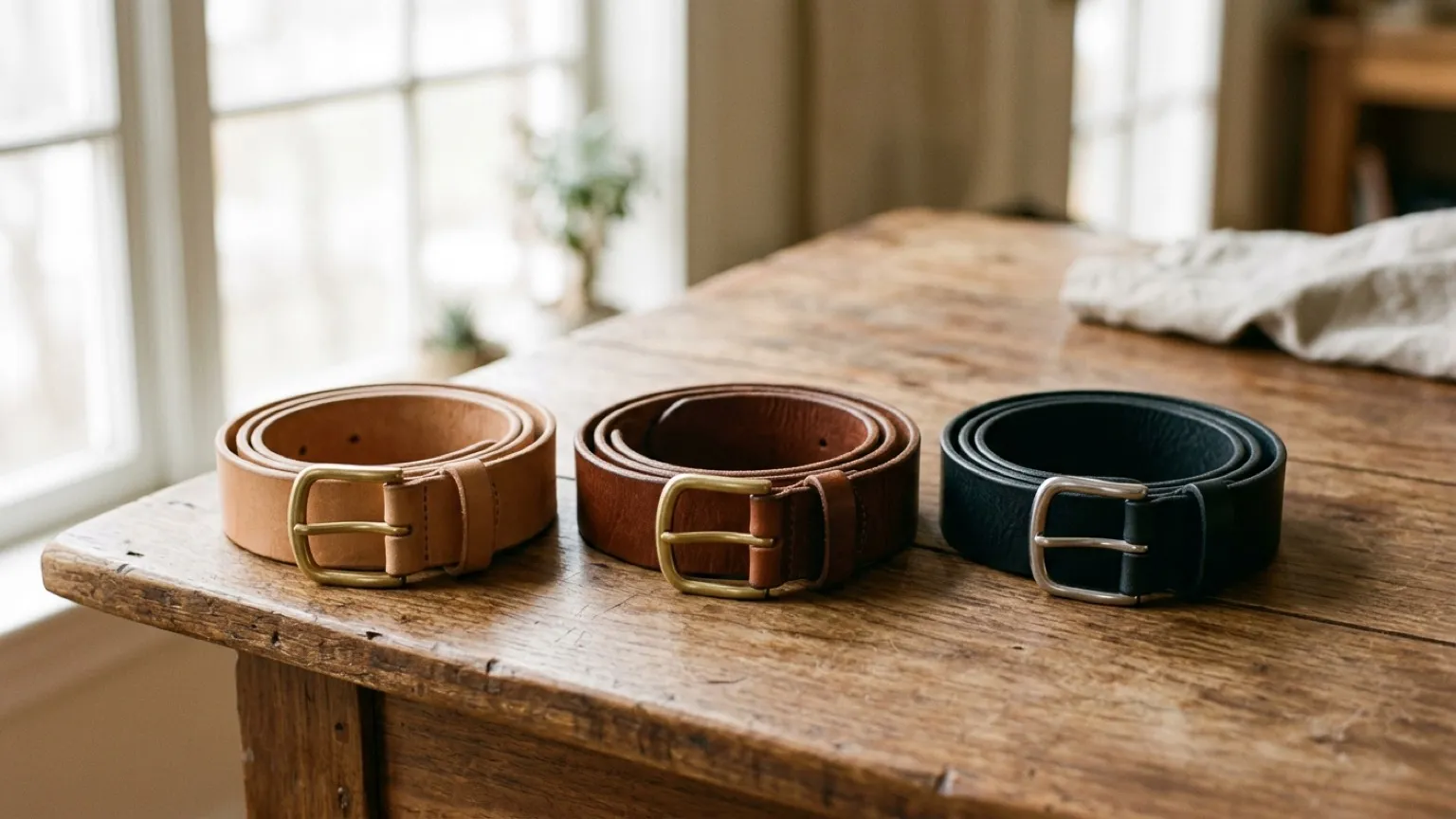
Why a good leather belt is the smartest buy of 2026
A full grain leather belt costs less than most sneakers, outlives nearly everything else in your closet, and quietly sharpens every outfit it touches. Here is how to buy one properly in 2026.
Read
Buyer Guide
Best Sweaters Under $500 in 2026, Ranked by Knit
We ranked the best sweaters under $500 for 2026 by what actually matters: knit gauge, fiber quality, and seam construction. From full-fashioned cashmere to chunky lambswool, here is where your money buys real longevity.
Read
Buyer Guide
Where to Buy Ganni in North America: 2026 Guide
The Copenhagen label is everywhere and nowhere at once in 2026. We map every reliable place to buy Ganni across the US and Canada, from flagships to the fastest-restocking online stockists.
Read