Trend
The case for buying vintage in 2026
Construction has quietly degraded across the contemporary tier. The argument for spending the same money on archival pieces that already proved they last.
By Fetchi Editorial
6 min read
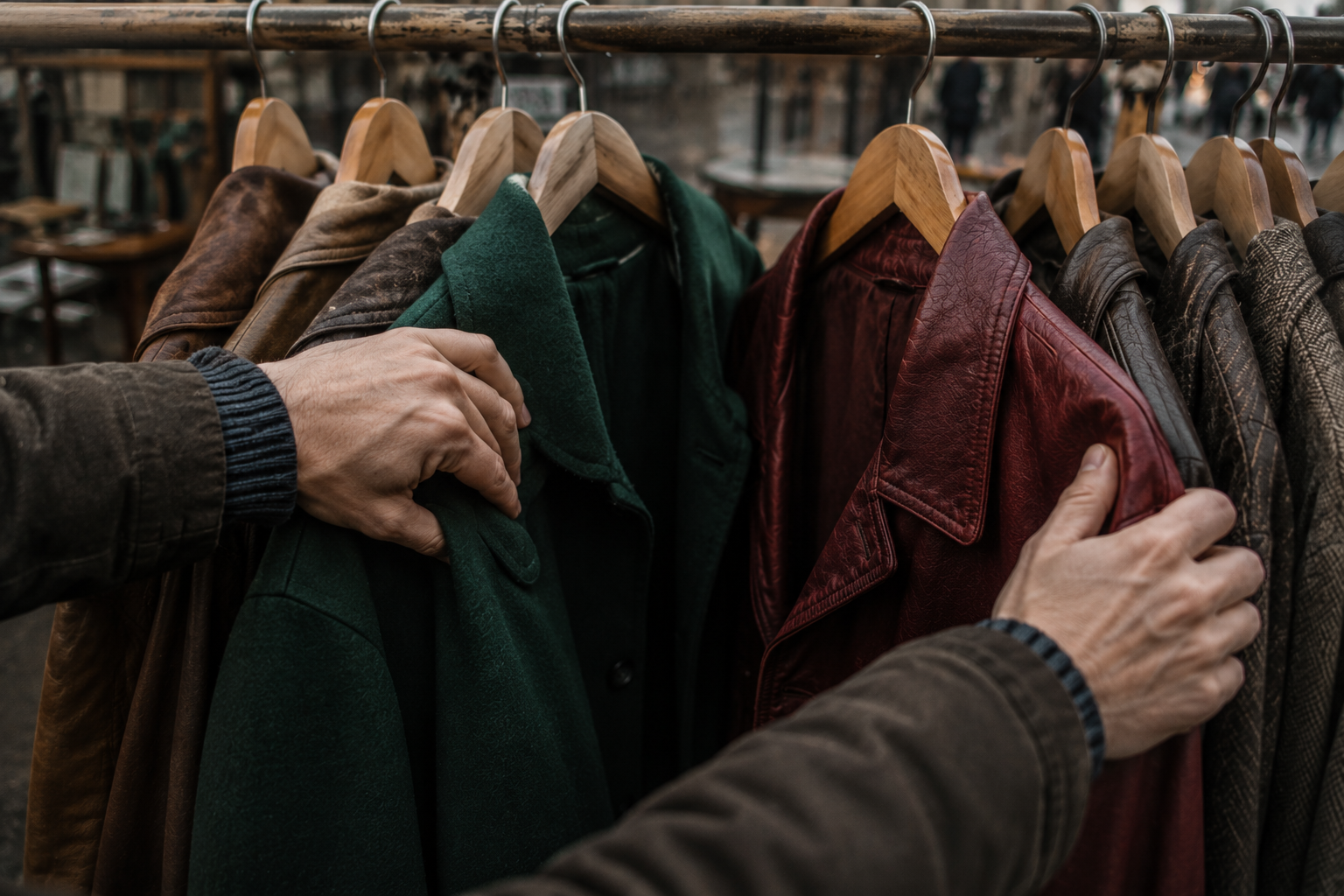
There is an inflection point in the wardrobe conversation that has been quietly building for the last three seasons. The price floor for a well-constructed contemporary piece has crept up faster than the construction quality has, and at the same time the supply of archival inventory at the lower end of the auction and resale market has gotten genuinely deep. The result is a new kind of math: for the same six hundred dollars that buys a 2026 contemporary blazer with bonded interlining and a synthetic-blend canvas, you can buy a 1998 archive piece from a heritage house with full canvas construction and original horn buttons. The argument for buying vintage in 2026 is mostly that argument, repeated across every category.
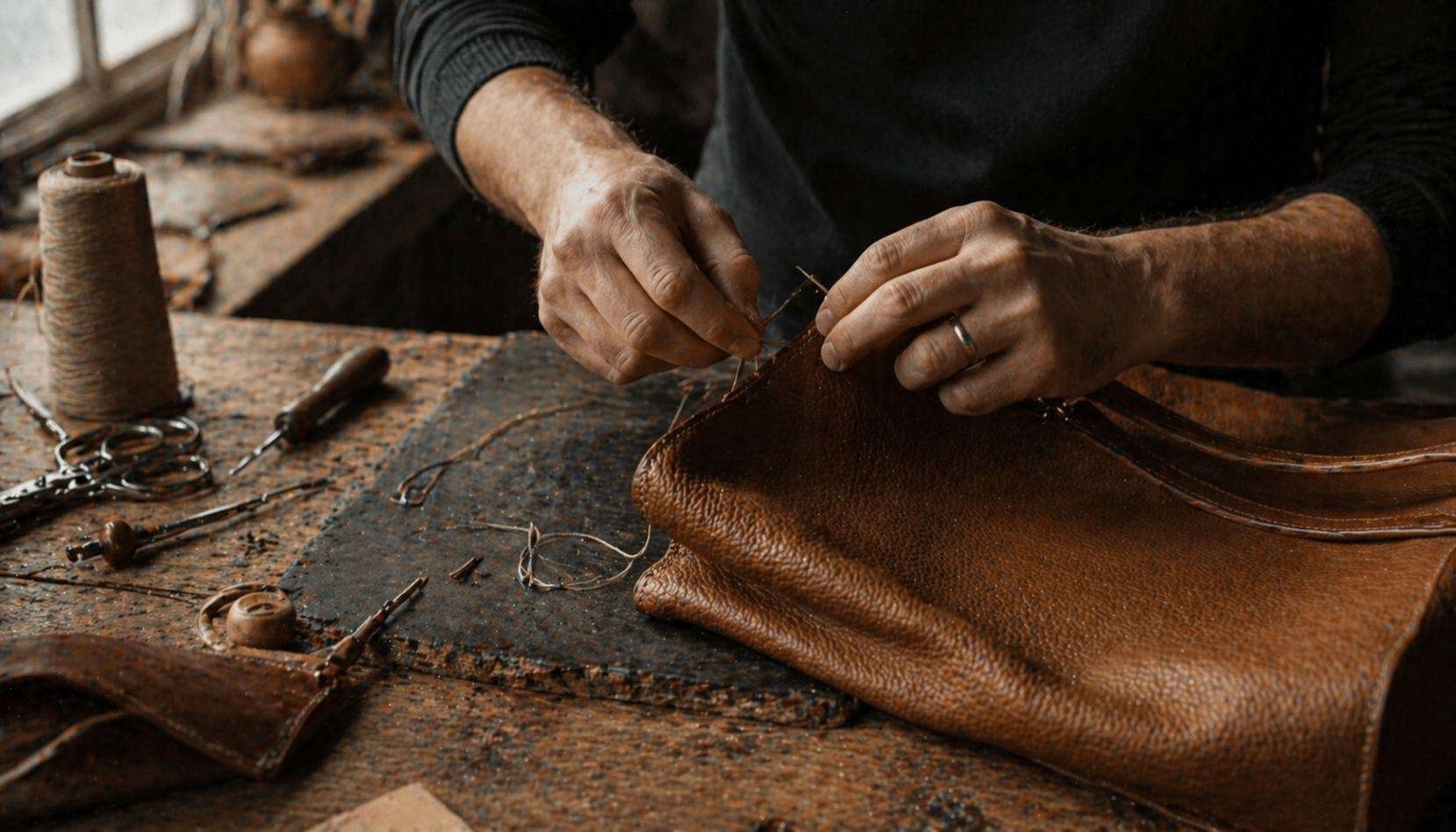
The case is not nostalgic. The case is structural. Construction techniques that were standard at the contemporary tier in 1995 (full canvas tailoring, fully bagged linings, eight to ten stitches per inch on the side seam) have largely moved up into the luxury tier. What sits at the contemporary tier now is fused interlining, partial lining, and stitch counts that fall below six per inch on the cheaper end. The same wage and material pressures we covered in our case for unbranded basics and the case for investing in cashmere explain the drift. The archival market is the easiest current hedge against it.
What the archival supply actually looks like in 2026
The major resale platforms (Vestiaire Collective, The RealReal, Grailed on the menswear side) have built out their authentication operations to the point where a careful buyer can transact at the same confidence level as a department-store buyer in 2010. The pricing has not caught up to that confidence yet, which is why the math currently favors the vintage shopper.
The deepest tier sits in the brands and decades that had outsized cultural moments and then settled into less prominent commercial positions. Late-90s Helmut Lang), early-2000s Jil Sander under Raf Simons, and the Phoebe Philo years at Celine (2008 to 2018) all sit here. The construction is closer to the contemporary luxury tier; the resale pricing often lands at the contemporary mid-tier.
What to actually look for
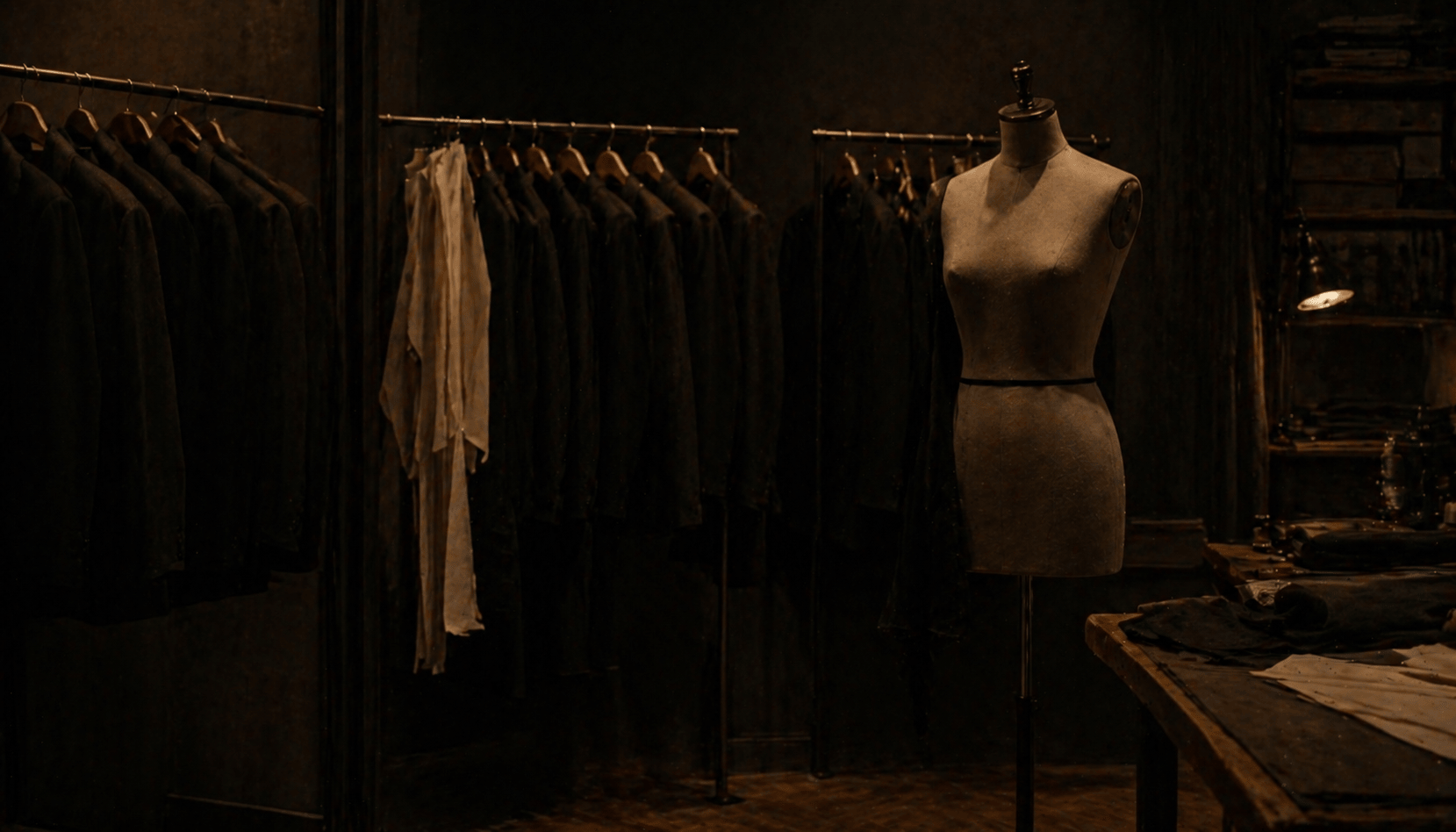
The construction tells from the contemporary buyer guides translate directly. On tailoring: full canvas chest piece (the cloth should resist a finger pressed into the lapel rather than collapsing), eight to ten stitches per inch on the side seam, fully bagged lining in viscose or silk-blend. On outerwear: the same logic, plus the construction details from our leather jackets piece for vintage leather and the seam thinking from our trench coats piece for vintage rainwear. On knitwear: two-ply minimum, ribbed cuffs that have not lost their snap, and a fiber that pulls back into shape when stretched gently.
The condition language on resale platforms is mostly reliable but worth reading carefully. "Excellent" usually means worn but not visibly damaged; "very good" usually means light wear that shows up in raking light. The two condition issues that kill the math are moth damage on wool and cashmere (small holes that look like pinpricks but spread fast) and dry rot on leather (the leather will crack along the bend lines within months). Both are visible in the listing photos if you look at them in the right light, and both are reasons to walk away rather than negotiate.
A 2026 contemporary blazer with bonded interlining and synthetic-blend canvas costs the same as a 1998 archive piece with full canvas and horn buttons. The math has shifted.
Where vintage fails
The argument breaks at three points. First, on basics: the white t-shirt, the cotton underwear, the basic cashmere crewneck are categories where you want a fresh piece and where the contemporary mid-tier still delivers value. The cashmere argument runs through our case for investing in cashmere; vintage cashmere works only at the heritage-house tier with careful condition assessment.
Second, on technical fabrics: a 2026 technical raincoat or down jacket beats a 1995 equivalent on weight, breathability, and waterproofing by an unambiguous margin. Third, on fit-sensitive pieces from earlier silhouette eras (80s and early-90s tailoring runs broader in the shoulder and shorter in the rise than contemporary cuts).
How this fits in a real wardrobe
The principle works best when applied to the high-construction categories: tailoring, leather outerwear, structured bags, formal shoes, fine knitwear, and silk pieces. The contemporary counterparts from our quiet luxury brands roundup are valid alternates; the vintage tier is the move when the math favors it specifically. A real 2026 wardrobe usually has both: contemporary basics and technical pieces, plus three to five archival anchors that do the visible work. The proportions from our spring 2026 capsule wardrobe translate directly.
For Canadian shoppers, duty and import taxes change the math meaningfully on US resale platforms once the parcel value crosses C$150; below that the threshold is forgiving. The RealReal and Vestiaire Collective both have Canadian shipping that handles duties at checkout, which removes most of the friction. Business of Fashion and The Cut both run periodic primers on the resale market if you want a deeper read on the platform economics.
Where contemporary still wins

Contemporary stock beats vintage on a price-adjusted basis in the categories where construction quality has held up at the mid-tier and styling has moved forward. Our linen pieces guide covers one; the case for Japanese denim covers another. Dress footwear from heritage cobblers is a third: the sole condition matters more than the upper, and a vintage pair often comes with a sole already on its last resoling cycle. The menswear catalogue and products index carry the contemporary view.
The summary is unromantic. Vintage wins on construction-heavy categories from heritage houses where resale pricing has not caught up to authentication confidence. Contemporary wins on technical fabrics, basics, and footwear with replaceable soles. The wardrobe that uses both is the one that gets the best of each.
Frequently asked
- Is buying vintage actually cheaper than contemporary at the same construction level?
- At the construction-heavy tiers, yes, often by 30 to 60 percent. Late-90s Helmut Lang, early-2000s Jil Sander, and Phoebe-era Celine all sit at this margin. At the basics tier, no; the vintage premium pays for nostalgia rather than construction. The contemporary alternative sits in our quiet luxury brands roundup.
- Which platforms are actually reliable for vintage?
- Vestiaire Collective and The RealReal for womenswear and bags, Grailed for menswear, plus the established physical archives in Tokyo, New York, and Berlin. Authentication confidence is roughly comparable to a department store buyer in 2010. The unbranded-basics thinking from the case for unbranded basics translates here too.
- How do I judge condition from a listing photo?
- Read the description carefully and zoom on the listing photos for moth damage (small pinprick holes that spread) on wool and cashmere, and dry rot (cracking along bend lines) on leather. Both are walk-away signals. The construction tells from our leather jackets piece translate directly.
- What category should I buy vintage in first?
- Tailoring. The construction gap between 1990s heritage-house tailoring and 2026 contemporary tailoring is the widest of any category, and the price gap on resale is the most favorable. The proportions in our spring 2026 capsule wardrobe translate directly to archival pieces.
More from Fetchi
Related reading
Trend
The case for unbranded basics
A logo is the cheapest part of any garment. The argument for spending the same money on construction, fit, and fabric instead.
Read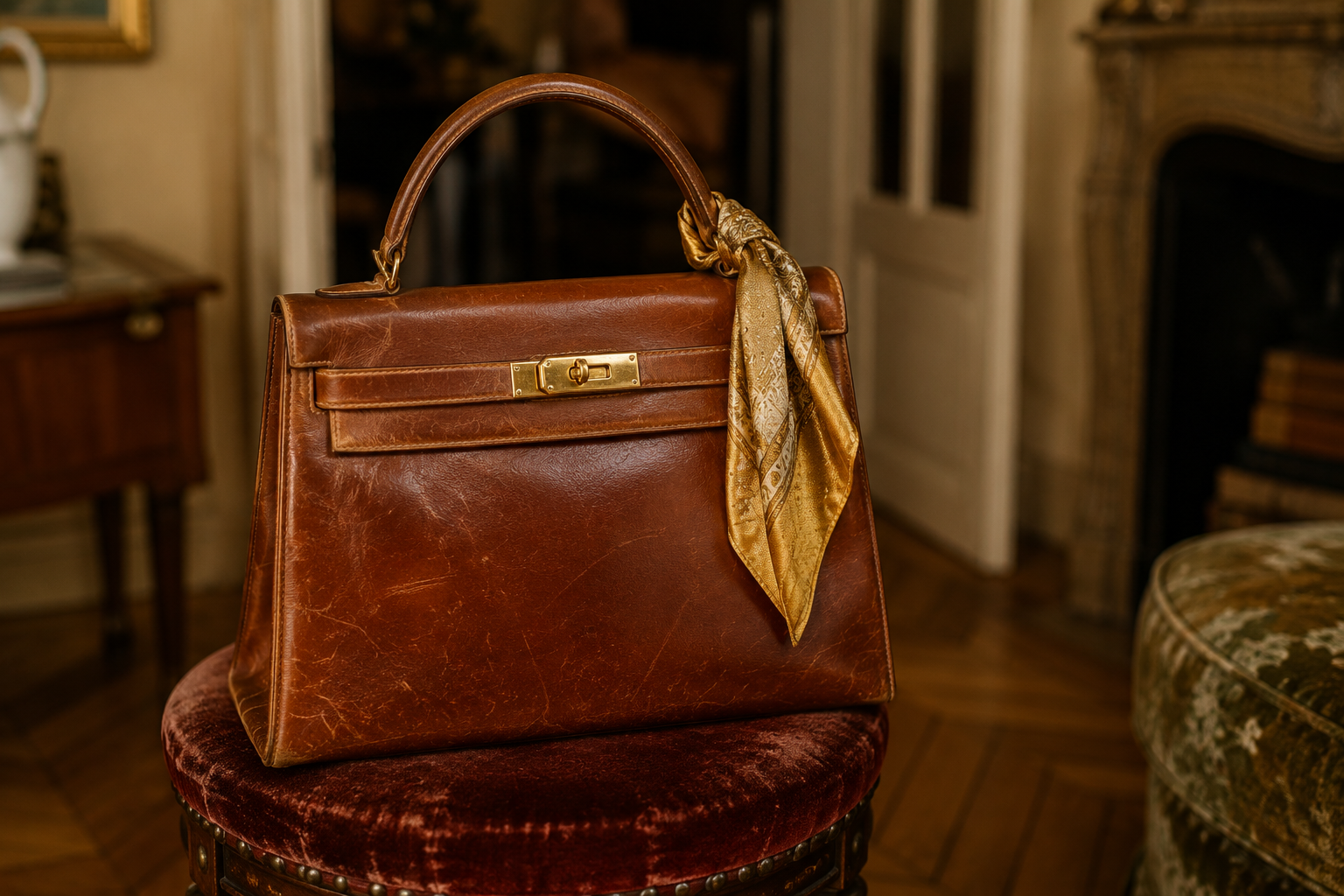
Trend
The case for buying second-hand luxury bags in 2026
Pre-owned is the only register where the math on a $4,000 bag actually pencils. A buyer guide to the houses, the platforms, and the tells.
Read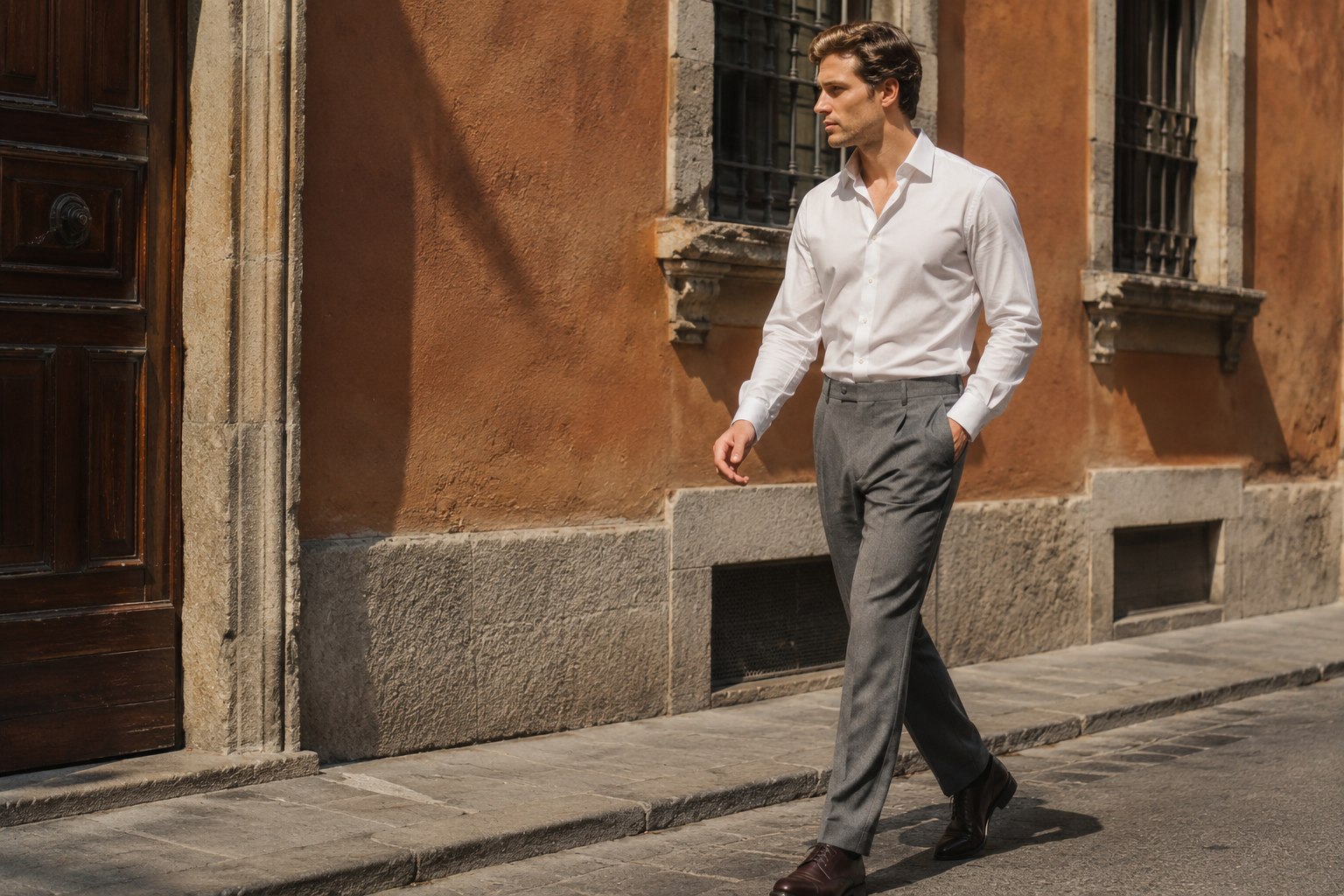
Trend
The case for tailored trousers in 2026
Why a proper pair of wool trousers is the most under-bought menswear piece, and what to look for at every price tier.
Read