Trend
The case for unbranded basics
A logo is the cheapest part of any garment. The argument for spending the same money on construction, fit, and fabric instead.
By Fetchi Editorial
5 min read
There has been a slow correction underway across menswear and womenswear for the last five years. The peak-logomania era of the late 2010s, where a hoodie's worth was largely a function of how visible the brand was on the front of it, has been quietly winding down. The shift is partly cyclical (every excess produces its own backlash) and partly economic (the ratio of logo to construction in a $400 t-shirt eventually becomes hard to defend). What replaces it is a more interesting argument about basics.

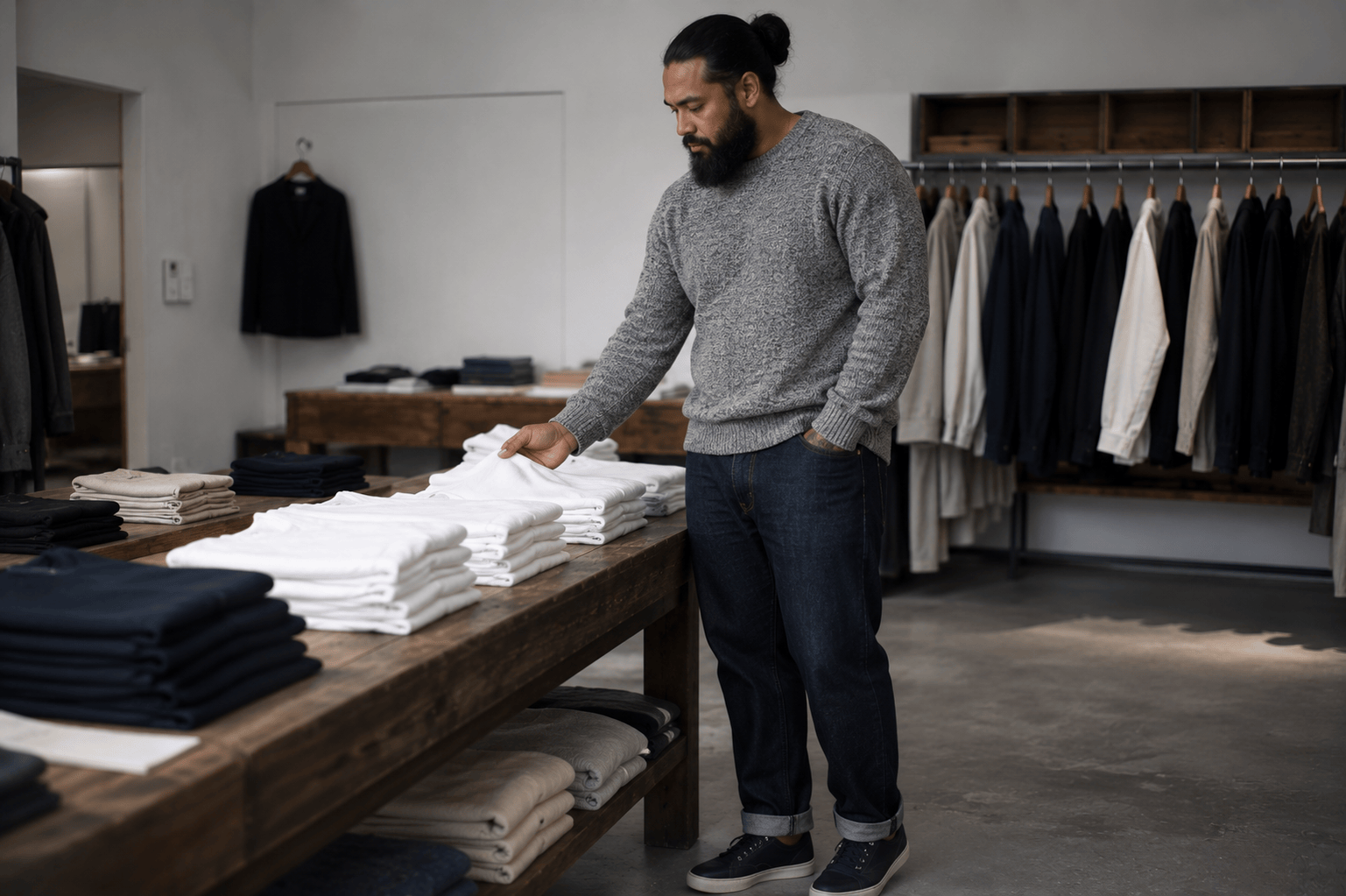
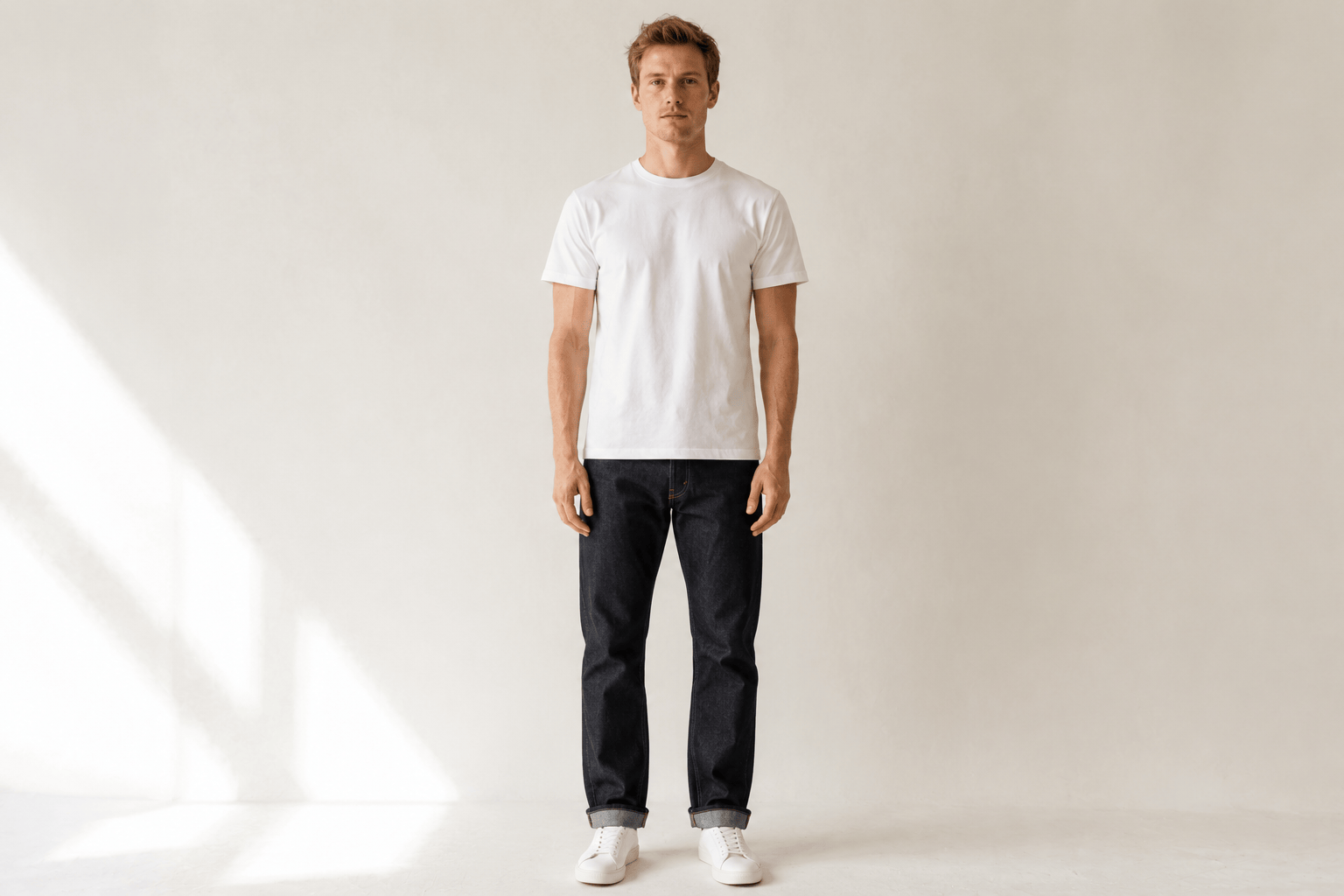
The argument is straightforward. A logo is the cheapest part of any garment. The expensive parts are the fabric, the cut, and the construction. If you remove the logo - or buy from a brand that does not use one prominently - the same dollar can go further on the parts that actually wear. That is the case for unbranded basics, and it is unusually persuasive at this price point.
What unbranded means in practice
Unbranded does not mean unbranded literally. Most of the brands that win in this category have logos; they just do not put them on the outside of the garment. covers this distinction extensively in its menswear coverage; the same dynamic plays out on the womenswear side, which and have written about as the "quiet luxury" extension of the same idea (we covered the broader category in ).