The case for a single good handbag in 2026 | FETCHI
Trend
The case for a single good handbag in 2026
A bag rotation is a strategy from another era. Here is why one well-chosen piece outperforms five at a third of the cumulative spend.
By Fetchi Editorial, Womenswear desk
5 min read
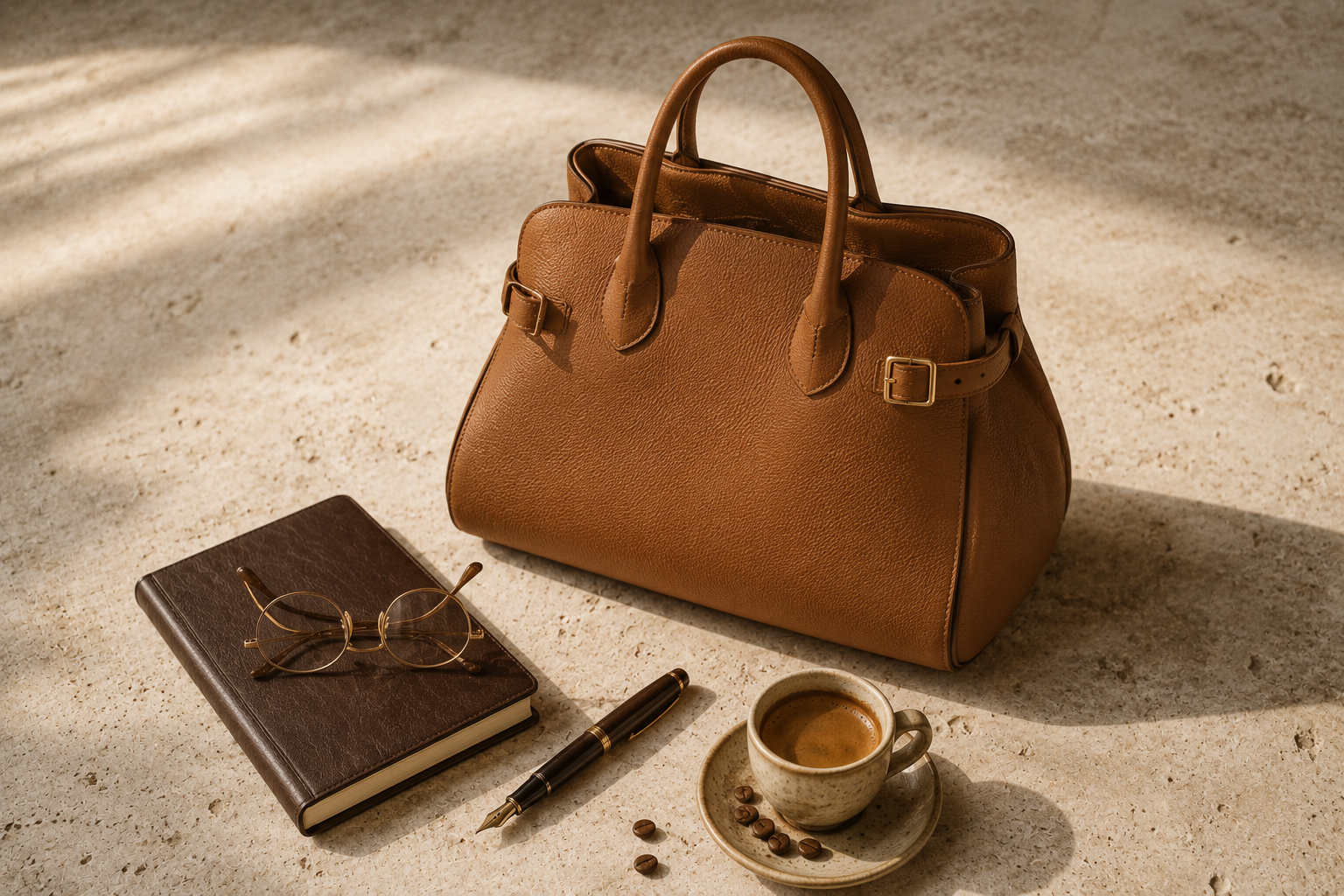
The bag rotation is a strategy from another era. The logic was that a wardrobe needed a small, medium, and large; a daytime and an evening; a casual and a formal. Five bags minimum to cover the field, each one occupying a narrow slot and most of them sitting unused for months at a time. The math on that approach never quite worked, and in 2026 it works less than ever. A single well-chosen bag in a neutral leather covers more daily occasions than the rotation it replaces, holds its resale value better, and stops the slow drift toward owning more than the wardrobe actually uses.
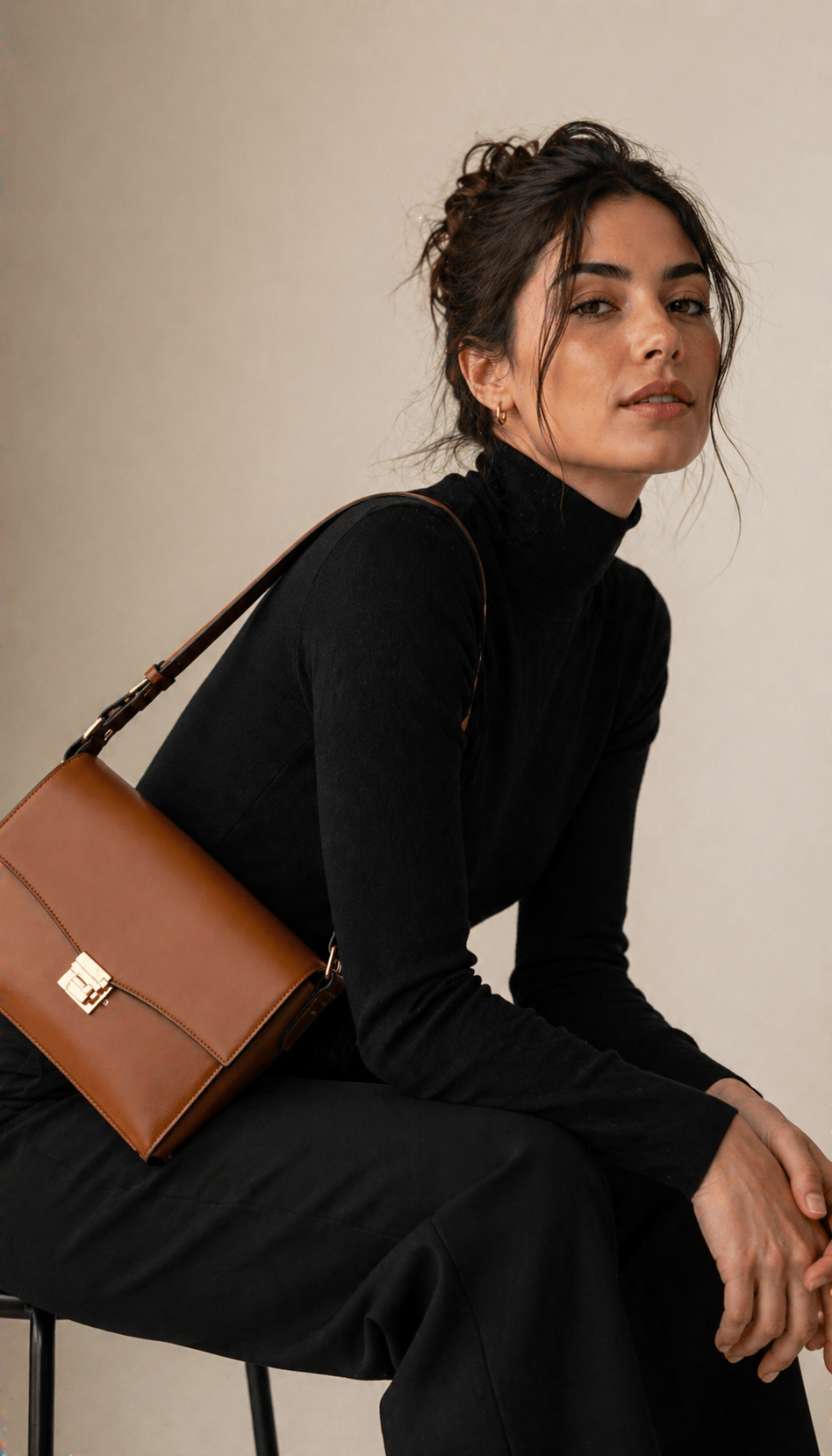
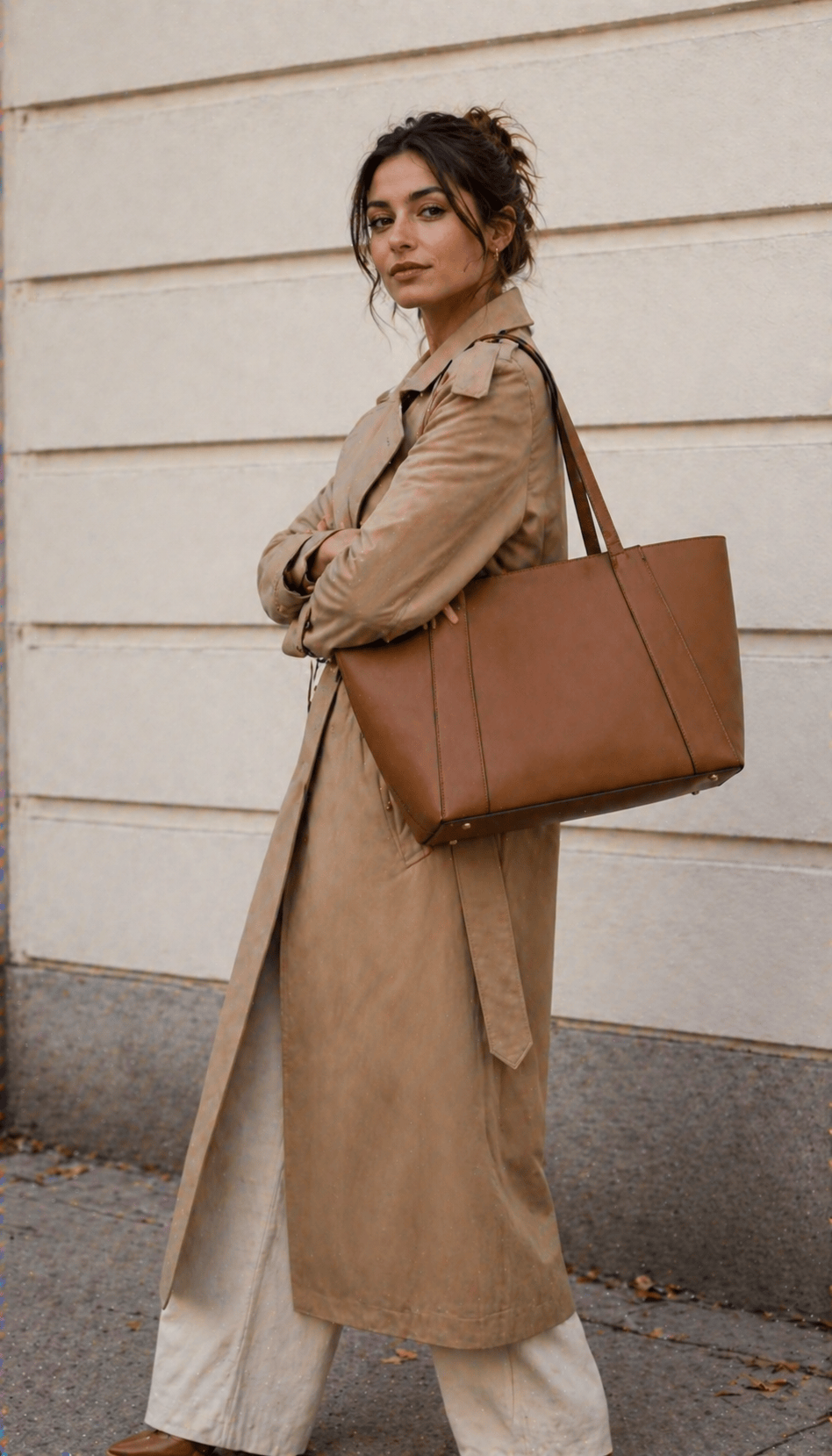
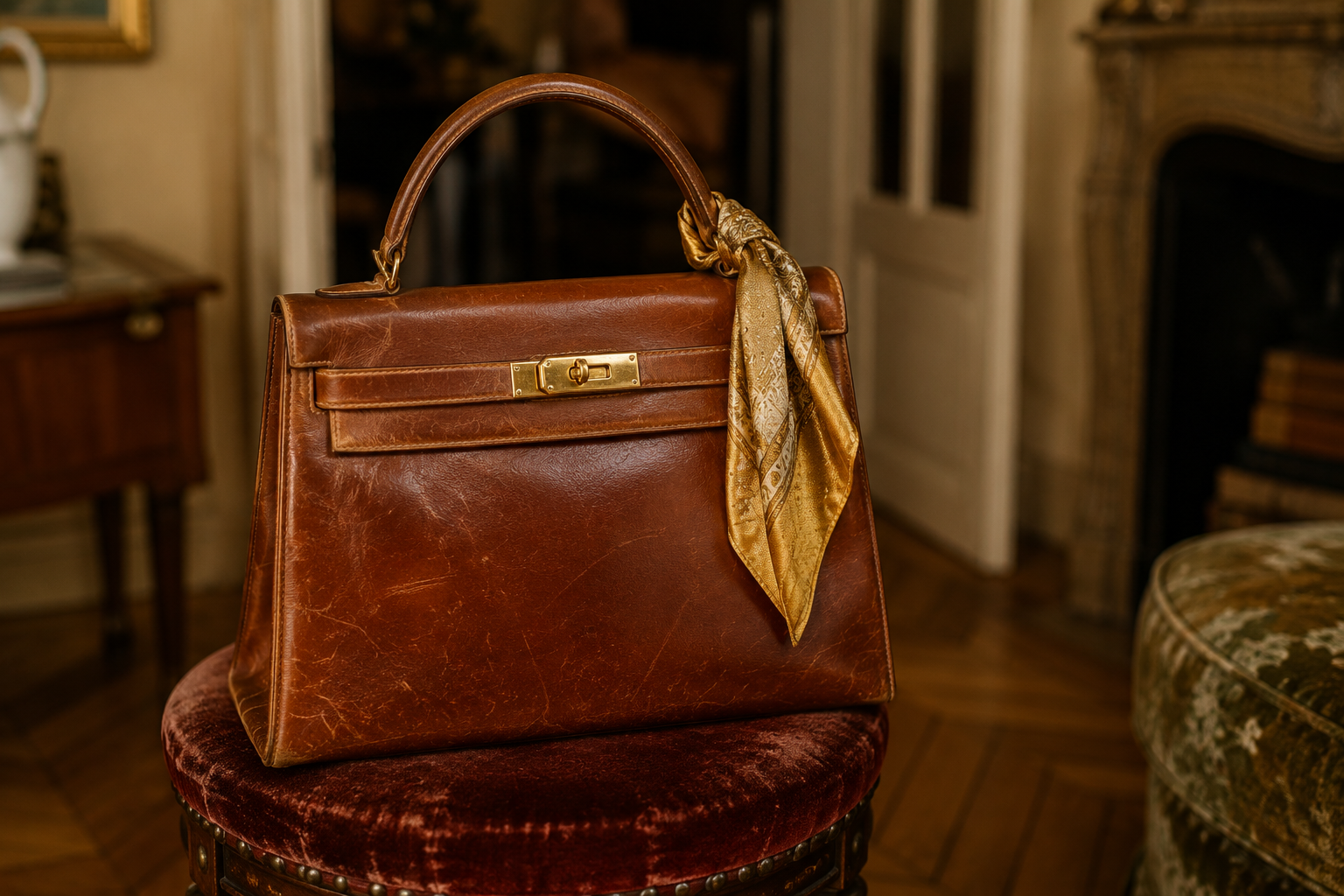
One bag worn daily develops a patina that no rotation can match. The shape and the leather are doing the work, not the volume.
This piece is the case for owning fewer bags and spending more on the one you keep. The thinking lines up with our case for unbranded basics and our argument for investing in cashmere: construction is the value, single pieces outlast rotations, and the resale market rewards the better houses with steadier prices than the contemporary tier.
The rotation idea came out of a wardrobe model that no longer matches how most people actually dress. Daytime and evening have blurred; tailoring and casualwear share more pieces than they used to; the formal black clutch sits in a closet for years between weddings. A single bag in a neutral leather, sized for a laptop and a wallet, handles the office, the dinner, the weekend, and the travel day. The piece does not need to be a tote and it does not need to be a clutch; a structured shoulder bag or a soft hobo at roughly 30-35cm wide covers the range cleanly.
The other piece of the math is resale. A well-made leather bag from a recognizable house holds 40-60% of retail in the secondary market for the first five years; a contemporary-brand bag at a third of the retail price holds closer to 10-20% over the same period. The effective cost of a $2,500 bag worn daily for five years and resold lands inside the cost of three $800 contemporary bags over the same span, with the better piece producing the more usable wardrobe.
“A bag rotation is a strategy from a wardrobe that no longer exists. One well-chosen piece outperforms five at a third of the cumulative spend.”
The houses doing the single-bag case best in 2026 are the same ones we covered in our quiet luxury brands roundup. The Row, Loewe, Lemaire, Toteme, and Khaite all carry one or two shapes that read as the single-bag piece: structured but not stiff, sized for daily use, in a neutral leather without obvious hardware. The Row Margaux and Loewe Puzzle are the most recognizable shapes; the Lemaire Croissant and Toteme T-Lock are quieter alternatives. The brand pieces are covered in the Loewe guide, the Toteme guide, and the Lemaire piece.
For live cross-retailer pricing on the bags in this register, the grid below pulls what is in stock right now. Sort is cheapest first; the spread is wide because the category mixes contemporary and luxury, but the better pieces cluster in the upper half. The womenswear bags index and our broader bags under $500 piece carry the rest of the field if a lower entry point is the goal.
Live structured leather bags across our retailers, sorted cheapest first:
Pebbled grain wears better than smooth calf at this price tier. Smooth calf is more elegant on day one and more scuffed by month six; pebbled hides the small impacts that daily use produces and develops a more even patina. Lining matters as much as the outer leather. A fully lined bag in a cotton-canvas or microfiber interior holds shape across years; an unlined bag in a soft hide stretches at the handles within a season and never recovers. Stitch density at the strap join is the other tell; check that the stitching runs at eight stitches per inch or denser at the points where the strap meets the body.
Hardware is the place where a contemporary-brand bag and a luxury bag visibly diverge over time. Solid brass with a brushed or polished finish lasts; plated zinc with a coated finish chips within a year and never looks the same again. The better houses use solid brass on the clasps and the feet, and the difference is visible if you turn the bag over and look at the underside hardware. For broader construction-first thinking on this register, our case for unbranded basics covers the same logic applied to the rest of the wardrobe.
Luxury bags discount on a tighter calendar than ready-to-wear. The deepest windows are mid-July and mid-January at the third-party retailers (SSENSE, MR PORTER, Mytheresa, NET-A-PORTER), with discounts running 20-30% on the seasonal colorways and almost never on the core black, chocolate, or cream. The core leather colors at the heritage houses (The Row, Loewe, Lemaire) almost never mark down at brand-direct; the discounts are at the third-party stockists clearing seasonal stock. For Canadian shoppers specifically, Holt Renfrew runs a private-sale calendar that catches the Canadian-specific markdowns in early August and early February.
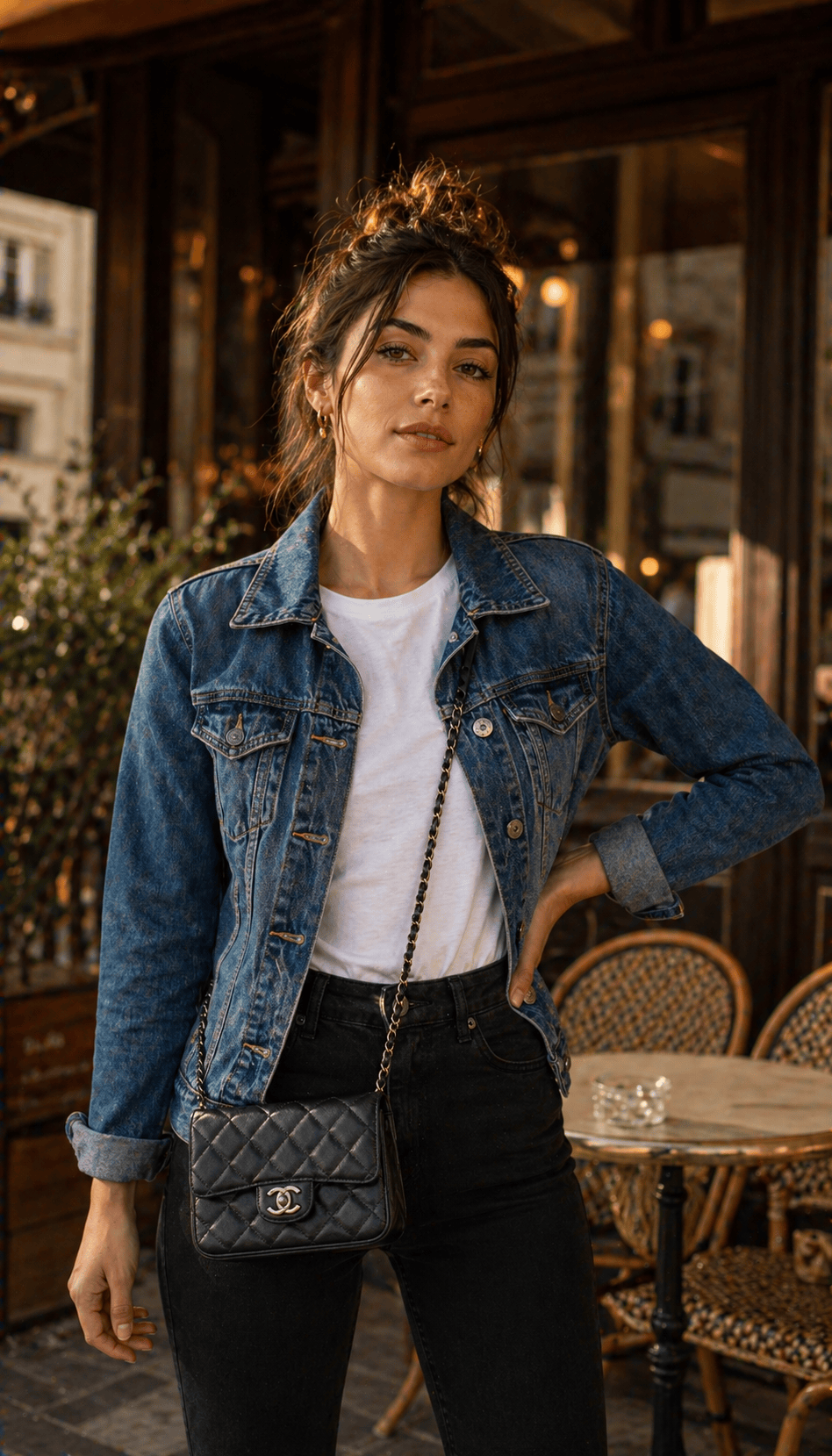
A smaller crossbody in the same neutral palette handles the days the structured shoulder bag is too much. The leather and the palette are the through-line.
The single-bag case is not literal. Most wardrobes do reasonable work with a primary structured piece and a smaller crossbody or pouch for the days the primary is too much. The second piece should sit in the same leather and palette family as the first; a chocolate structured tote pairs cleanly with an ecru or sand crossbody, and the wardrobe reads coherent rather than collected. The wrong second bag is one in a different leather treatment (smooth calf next to pebbled, suede next to either) or in a strong color that does not survive the seasons the primary covers. The styling thinking from our oversized blazer piece translates: proportion and palette over variety.
Frequently asked
What is a reasonable single-bag spend?
$1,500 to $3,500 for a heritage-house structured piece in a neutral leather. The math on price-per-wear and resale value works out across five years. The brands we cover in our quiet luxury roundup all carry one in this range.
Is pebbled or smooth calf better?
Pebbled at this price tier. Smooth calf is more elegant on day one and more scuffed by month six; pebbled hides the small impacts and develops a more even patina. Cross-shop the womenswear catalog for current pieces.
Does the resale math actually work?
Yes for heritage-house bags in good condition. The Row, Loewe, and Lemaire pieces hold 40-60% of retail in the secondary market for the first five years; contemporary-brand bags hold closer to 10-20%. The bags under $500 piece covers the lower entry point.
Should I keep an evening bag separately?
Probably not. The structured shoulder bag in a neutral leather handles most evening occasions cleanly. A small crossbody in the same palette covers the rest. The styling logic from our oversized blazer piece translates.