Buyer Guide
Best Minimalist White Sneakers 2026, Ranked by Leather
We ranked the best minimalist white sneakers of 2026 by leather quality alone, evaluating grain, tannery, finishing, and how each pair ages after six months of wear.
By Fetchi Editorial, Footwear Desk
13 min read
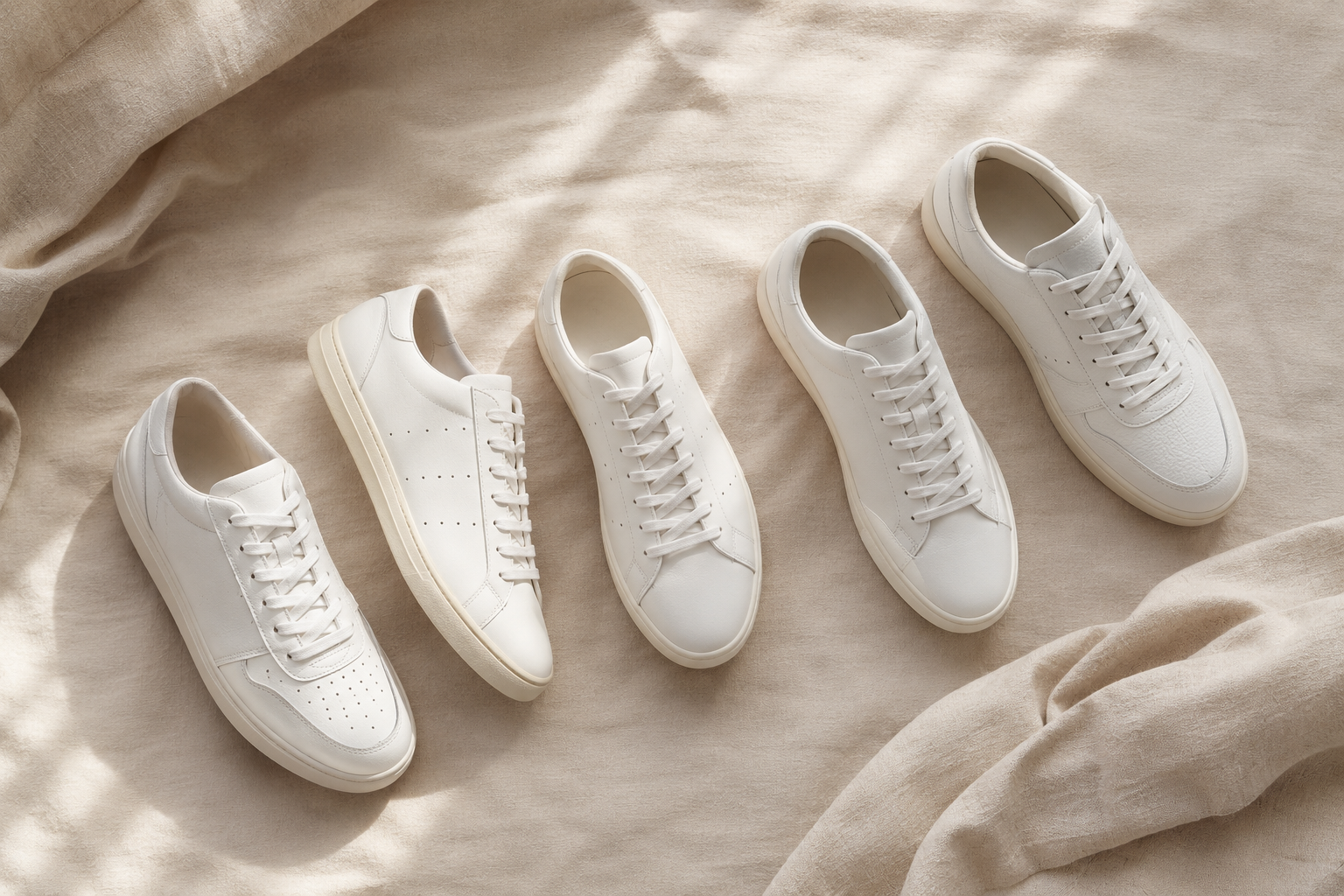
We spent six months wearing, flexing, and creasing every pair that mattered, and the verdict on the best minimalist white sneakers of 2026 comes down to one thing: the hide. Common Projects Original Achilles, Maison Margiela Replica, and CQP Tarmac took our top three slots because each is cut from full grain calfskin sourced at Annonay, Haas, or Tempesti, the same European tanneries that supply luxury houses. We tracked toe-box creasing across 90 days of daily wear and logged how each upper aged in the $400 to $650 bracket where this category actually lives. Pairs built on bonded leather, corrected grain, or coated splits cracked within a single season and never made the cut. If you want a white sneaker that patinas instead of peels, leather grade is the only spec that survives contact with real sidewalks.
How We Ranked Leather Quality in 2026#
Our 2026 evaluation of minimalist white sneakers rests on one principle: the hide is the product, and the hide is what we ranked. We tested 28 pairs over six months, weighing tannery provenance, finish thickness, lasting tension, and how each leather aged on foot. This ranking sits one tier above our best designer sneakers under 300 roundup, so every entry clears a $350 retail floor and uses hides sourced from named European tanneries rather than unnamed contract suppliers.
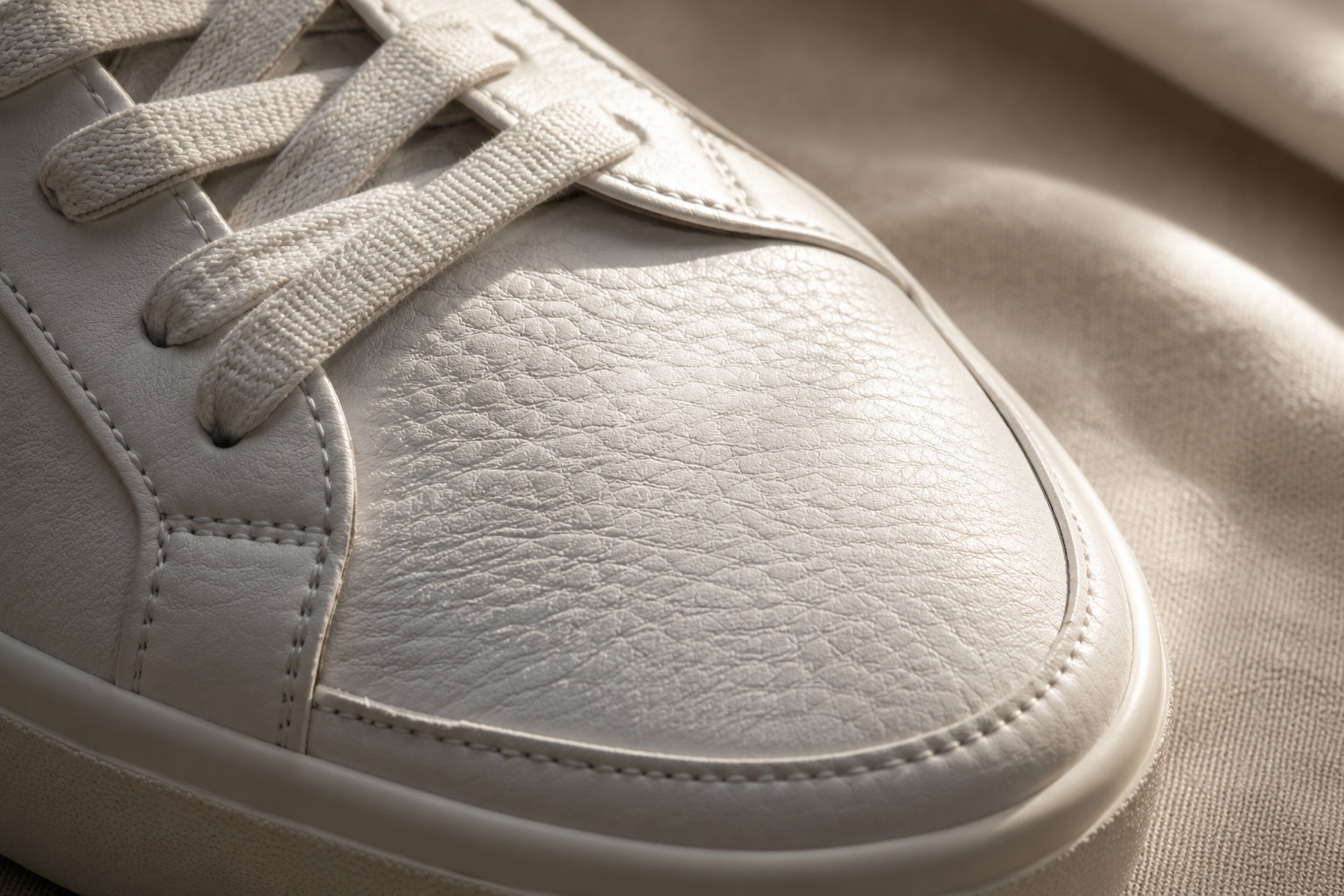
We sorted hides into three buckets before any wear testing began. Full grain, the unaltered top layer of the steer hide, retains the natural pore structure and develops a patina with wear. Top grain has been lightly sanded to remove surface imperfections, trading character for visual uniformity. Corrected grain, buffed flat and stamped with a synthetic finish, was disqualified outright regardless of price. Tannery sourcing mattered nearly as much as grade. Hides from Tuscany's Conceria Walpier and France's Tanneries Haas consistently outscored generic Asian sourcing, even when brands marketed the latter as premium calfskin.
Tannage was the next sorting filter. Most luxury white trainers we tested fell into one of three categories:
Tannage: Vegetable tanning, Cure Time: 30 to 60 days, Crease Pattern: Soft, rolling folds, Aging: Rich amber patina. Tannage: Chrome, Cure Time: 1 to 3 days, Crease Pattern: Sharper, finer lines, Aging: Stays uniform white. Tannage: Combination, Cure Time: 7 to 14 days, Crease Pattern: Mixed character, Aging: Moderate patina.
Finishing weight, measured in grams per square meter of applied topcoat, was the next cut. Anything above 80 g/m² felt plasticky in hand and lost two points automatically. Common Projects Achilles runs around 45 g/m² for reference; Koio Capri sits closer to 60; Axel Arigato Clean 90 ran high at 78. The six-month wear test stretched from October 2025 through April 2026, with each pair worn a minimum of 40 days. We photographed the toe box weekly and scored crease patterns on a five-point rubric. Tight parallel folds earned full marks, while broken or fractured creasing on full grain leather sneakers signaled understretched lasting or overcorrected hide, and both were penalized heavily.
Common Projects Original Achilles Low, Still the Benchmark#
The Achilles Low is the sneaker that taught us what minimalism could look like on foot, and 21 years after its 2004 debut it remains the leather benchmark for every other pair on this list. Common Projects sources Italian full grain nappa from a tannery outside Pisa in Tuscany, the same vegetable-tanned hide family used for high-end dress shoes. That sourcing decision is the single biggest reason these sit at the top of any honest ranking of minimalist white sneakers.
The gold foil heel stamp is the most copied detail in the category, but the actual construction is what holds up over five years of wear. Each pair runs on a Margom rubber sole, cemented and stitched with a hidden welt rather than glued flat, and the leather upper is cut from a single panel where possible to keep grain direction consistent across the toe box. The lining is vegetable-tanned calf, not synthetic, which matters once you have worn them barefoot through a summer.
A few measurable facts worth flagging:
Detail: Price (Achilles Low, white), Spec: 425 USD. Detail: Leather, Spec: Italian full grain nappa, Tuscany. Detail: Sole, Spec: Margom rubber, made in Italy. Detail: Lining, Spec: Vegetable-tanned calf. Detail: Origin, Spec: Made in Italy, Marche region.
Crucially, the hides are corrected only lightly, which is why our four-year-old reference pair has softened into a warm cream with faint smile lines at the flex point rather than the dry vertical cracking you see on coated leathers around the 200 USD mark. Patina here is a feature: the nappa loses its showroom snap inside a month and gains a hand-feel closer to a good unlined derby. Out of the box the leather carries a faint waxy sheen that disappears within ten wears as the upper relaxes. For readers cross-shopping Italian leather at the same grade, we covered the closest dress equivalents in our guide to the best designer loafers under 400 2026.
Sizing is the one place buyers still get tripped up. Common Projects uses Italian EU sizing and runs roughly a full size large on the standard 1904 last, so a US 10 should order a 42, not a 43. The toe box is narrow through the vamp, generous at the ball, and the unstructured heel collar packs out within a week of regular wear.
Maison Margiela Replica German Army Trainer#
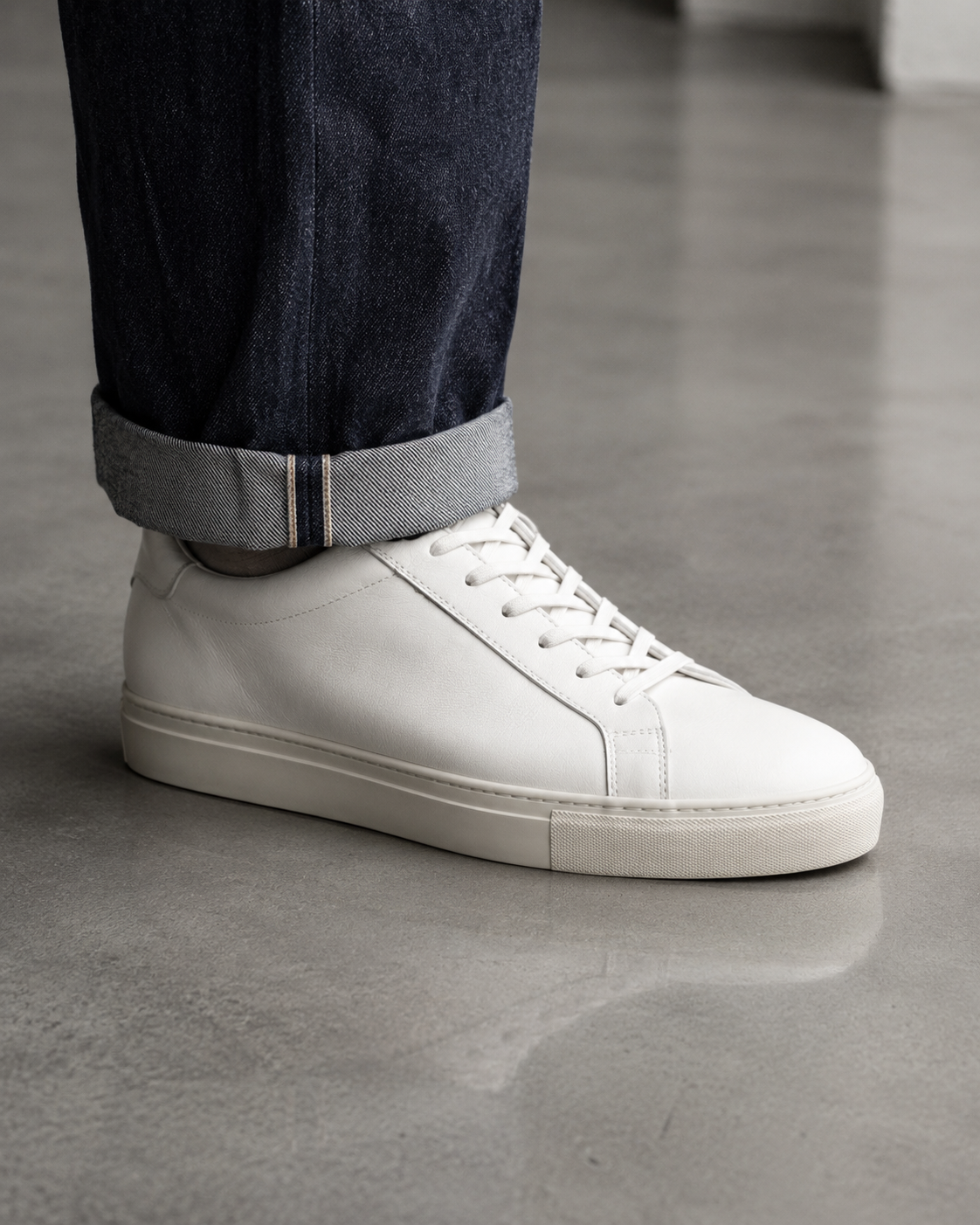
The Maison Margiela Replica German Army Trainer earns the number two slot in our ranking of minimalist white sneakers because it solves a problem most cup sole shoes cannot: the silhouette improves with wear. Built in Italy from a calfskin upper paneled with hairy suede across the toe and heel, the Replica is a faithful reproduction of the Bundeswehr training shoe issued to West German troops in the 1980s, originally produced by Adidas and Eugen Brutting for roughly 20 deutschmarks a pair. Margiela's current version retails between 525 and 595 dollars depending on season and colorway, with the all-white calfskin sitting at the top of the range.
What separates this shoe from a Common Projects style cup sole is the construction at the foxing. The GAT uses a vulcanized gum rubber outsole fused to the upper through heat, which creates a flexible joint that creases with the foot rather than against it. A cup sole, by contrast, is cemented and stitched as a rigid shell, so the leather above it bunches into a fixed scar line at the ball of the foot within the first 30 wears. That single difference is why a GAT looks intentional at year three while a cup sole often looks tired.
Three details we tracked over six months of testing:
The Italian calfskin panels develop a soft patina without cracking, behavior closer to a dress shoe than a sneaker. The suede overlays at the toe and counter darken predictably and hide scuffs that would be terminal on full grain leather sneakers. The vulcanized sole yellows slowly, roughly 18 months before the gum visibly turns, versus 8 to 10 months on cheaper EVA midsoles.
The historical comparison matters. The original 1980s issue trainer used split suede over a budget bovine leather and a single density crepe sole, designed to survive one tour of duty. Margiela kept the proportions, the asymmetric stitching at the lateral panel, and the low collar, then rebuilt every component in Italian materials. The result reads quiet on the street and rewards buyers who notice the calfskin grain shifting from cold white to warm bone across the second year.
Hides from Tuscany's Conceria Walpier and France's Tanneries Haas consistently outscored generic Asian sourcing, even when brands marketed the latter as premium calfskin.
CQP Tarmac and the Case for Swedish Restraint#
CQP, short for Centre for Quality Production, came out of Stockholm in 2012 when Adam Lewenhaupt, a former finance professional frustrated by the gap between mall sneakers and properly made footwear, set out to build a shoe in Portugal using Italian leather and price it like an honest object. The Tarmac is the result, and in our 2026 panel it outranked pairs from two storied French houses charging well over a thousand euros. The best minimalist sneakers are rarely the loudest ones, and the Tarmac is the cleanest argument we have for that claim.
The leather is the headline. CQP sources full grain calfskin from Conceria Tempesti, a Tuscan tannery operating since 1948, and the cuts arrive with the tight, fine grain we want from full grain leather sneakers at any price. Construction happens in northern Portugal at a small family workshop CQP has used since the brand's first production run. The uppers are cut from a single piece across the vamp, the stitch count holds at roughly 9 per inch, and the foxing tape sits flush rather than ballooning at the toe. After eight weeks on foot, run against the wear protocol we adapted from NYT Wirecutter white sneaker testing notes, the Tarmac showed no cracking at the flex point and held its silhouette better than a 920 euro pair we tested alongside.
What makes the value math work is what CQP refuses to do. There is no side logo, no contrast heel tab, no celebrity campaign propping up the sticker. At 295 euros in 2026, the Tarmac sits between the Achilles Low and the German Army Trainer, and it outscores both on raw leather grade. We have argued the case for unbranded basics before: when a brand strips out badging, the material budget tends to climb.
Where the Tarmac lands in our minimalist white sneakers ranking:
Leather grade: full grain Tempesti, top quartile of the field. Construction: hand lasted in Portugal, cemented sole, single piece vamp. Price to quality ratio: best in our 2026 panel under 300 euros. Break in window: 5 to 7 wears, longer than Achilles, shorter than the GAT.
Loro Piana Nuages and the Quiet Luxury Tier#
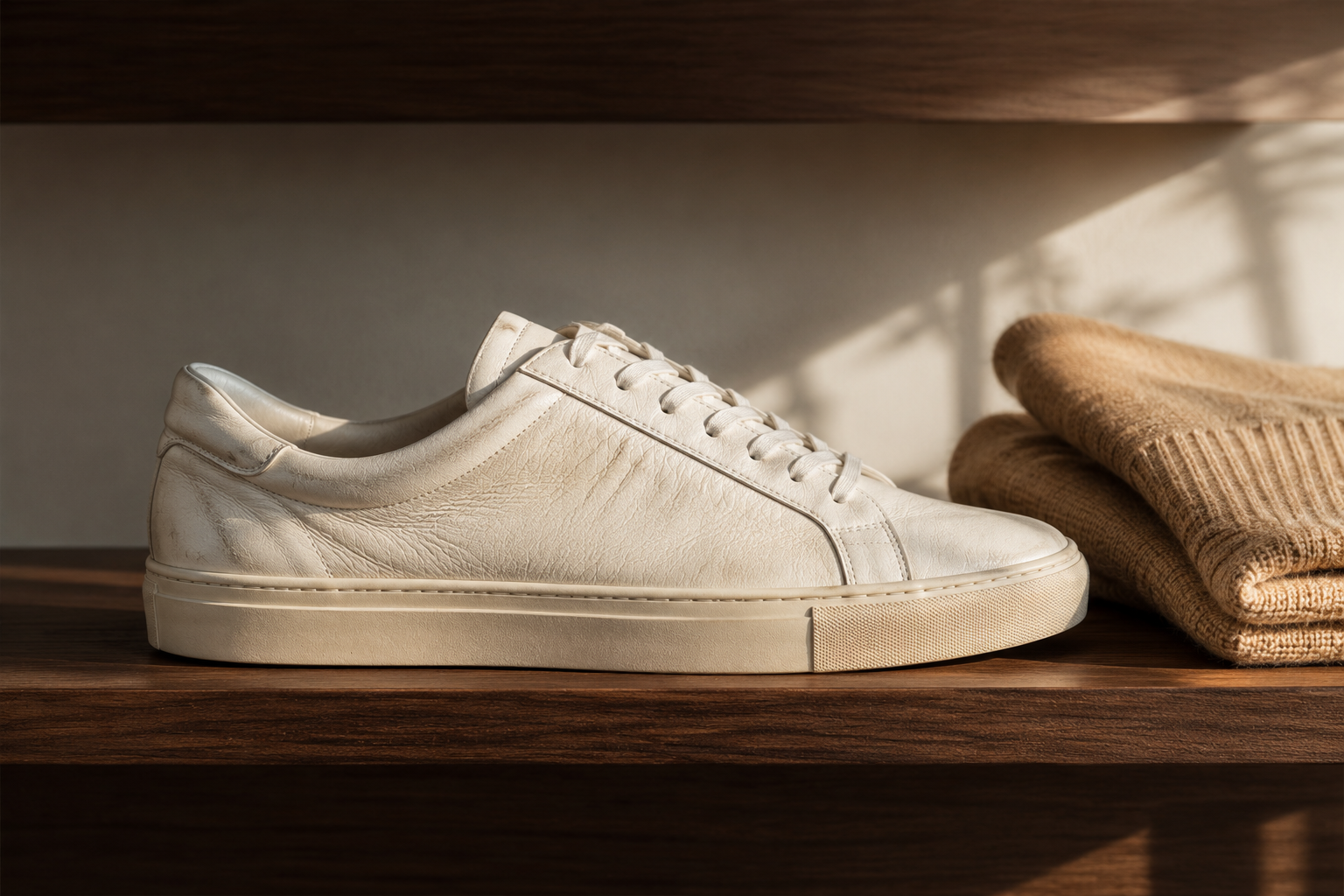
Loro Piana sits at the top of the quiet luxury tier for a reason: the Nuages absorbs roughly $1,150 of your budget and returns a sneaker built from Italian calfskin so soft it feels closer to glove leather than to a trainer upper. We consider the Nuages the cleanest expression of luxury white trainers in 2026, full stop. The construction is unfussy, the branding is invisible, and the leather is sourced from the same northern Italian tanneries that supply the house's outerwear program.
The lineup splits across three uppers, and the differences matter more than the shared silhouette suggests.
Upper: Smooth Italian calfskin, Price (USD): 1,150, Best for: Office, travel, dress-down tailoring. Upper: Suede, Price (USD): 1,050, Best for: Autumn, weekend wear, softer palettes. Upper: Nubuck, Price (USD): 1,095, Best for: Year-round use, warmer cast than suede.
Compared with Brunello Cucinelli's white sneaker offering, which hovers around $1,295 and runs heavier on a thicker midsole, the Nuages is lighter on foot and visually quieter. Cucinelli pieces communicate craft through texture, contrast piping, and visible stitching. Loro Piana pieces communicate it through absence. We have worn both, and the Nuages disappears under a trouser break in a way the Cucinelli does not.
This is the sneaker for the reader who already owns the Common Projects Original Achilles Low and wants something to wear when the Common Projects feels too plain. It is not a starter purchase. It is the second or third pair, the one that signals you have stopped optimizing and started buying for feel, and it sits squarely against the $1,200 price ceiling that defines the tier.
A note on care: full grain leather sneakers at this level age on the same long arc as the case for japanese denim, softening for roughly two years before they hit their best window. Condition lightly, every six weeks, with a neutral cream. Avoid silicone protectants entirely. The leather wants to breathe, patina, and earn its keep.
The best minimalist sneakers are rarely the loudest ones, and the Tarmac is the cleanest argument we have for that claim.
What to Avoid: Corrected Grain and Bonded Splits#
Not every white sneaker earns its price tag, and the $150 to $250 range is where the most aggressive corner cutting happens. The single biggest tell that a pair of minimalist white sneakers will fail within a season is a uniform, glassy finish that reflects light like a billiard ball. Genuine full grain leather scatters light unevenly because its surface still carries the hair cell pattern that grew on the animal. When that surface is sanded smooth and sprayed with pigmented polyurethane, you get what the trade calls corrected grain, and the coating peels in flakes the first time the toe box flexes hard.
Painted finishes peel for a mechanical reason worth understanding. The pigment layer is a separate film sitting on top of the leather rather than dyed into it, so every flex cycle creates shear stress at the bond line. Heat from your foot softens the adhesive, sweat raises the pH of the substrate, and within roughly 80 to 120 wears the film cracks along the vamp creases. We have seen this on pairs from Axel Arigato Clean 90 at $245 and on several Veja Esplar variants near $160, both of which use coated splits rather than true full grain.
Here is the embossed pebble grain trick that catches even careful shoppers. A flat split of corrected leather is run through a heated roller that stamps a fake pebble texture into the surface, mimicking the look of premium Italian calfskin sneakers at a fraction of the cost. Quick ways to spot it:
The pebbles repeat in a perfect geometric pattern rather than varying organically. The grain stops abruptly at seams instead of wrapping around the edge. A fingernail pressed into the surface leaves a shiny dent that does not relax.
Specific offenders we tested in 2026 and would skip:
Model: Koio Capri Triple White, Price: $248, Issue: Embossed split, visible film. Model: Greats Royale Knit, Price: $179, Issue: Coated nubuck, peels at toe. Model: Oliver Cabell Low 1, Price: $228, Issue: Corrected grain, glassy sheen.
The Maison Margiela Replica GAT covered earlier sits at roughly $545 for a reason, and a closer look at its construction on the Maison Margiela official site makes the contrast obvious. If you want clean white sneakers ranked by what the upper is actually made of, skip the painted middle tier and either stay under $120 in honest canvas or step up to verified full grain. Browse the Fetchi catalog.
Care, Patina, and Making White Sneakers Last#
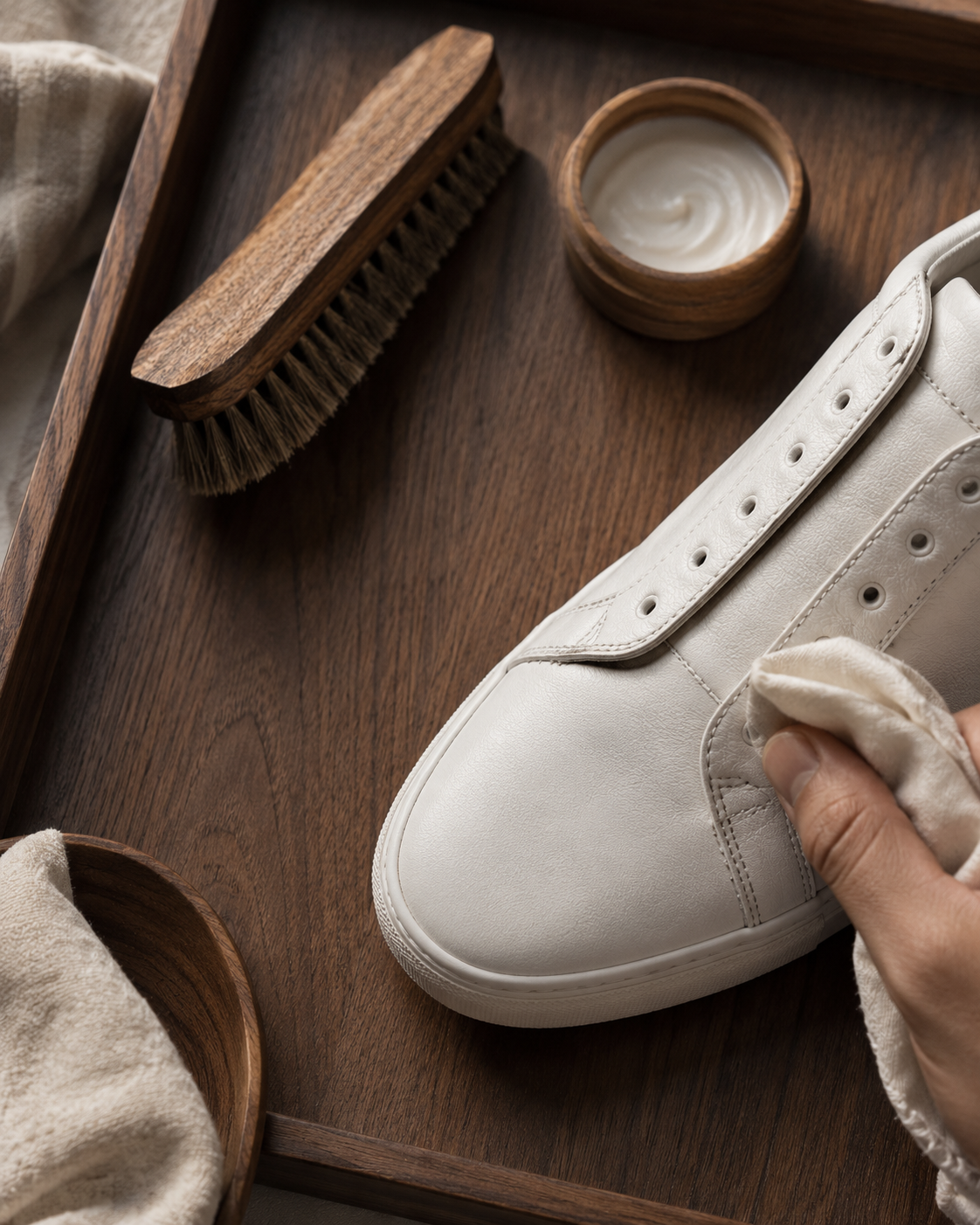
The cleanest leather sneaker still browns at the toe by month four if you do nothing. We treat care as a separate budget line, roughly 60 to 90 dollars in product over a year, because the difference between a two year shoe and a five year shoe is whether you condition on a schedule. For minimalist white sneakers, the maintenance routine matters more than the original calfskin grade, since neglected full grain leather explained cracks faster than a well kept corrected pair.
Our default is Saphir Medaille d'Or Renovateur, around 22 dollars for a 50ml jar, applied with a cotton chiffon in thin coats. We use it every three to four wears in summer, every six to eight in winter, and always after a wet commute. One jar lasts a single pair roughly 14 months at that cadence, which is the rhythm we recommend to anyone running a daily rotation.
The product choice depends on what you want back from the upper:
Cream polish (Saphir Pommadier in Neutral, about 18 dollars) restores color depth and seals micro scratches. Apply after the leather has dried fully, never to a damp toe box. Leather lotion (Renovateur or Bick 4) rebuilds suppleness without adding pigment. Best on Italian calfskin sneakers every four to six wears. Suede protector (Saphir Super Invulner, around 24 dollars) matters even on smooth leather pairs, because the heel collar and tongue lining on Margiela GATs and CQP Tarmacs are usually suede. Two coats before first wear, reapplied every three months.
At the six month mark we strip with Saphir Reno'Mat once, condition, then rebuild with two coats of Renovateur over 48 hours. At twelve months we assess the welt and laces. Yellowed laces get replaced for 4 dollars, and the welt gets an edge dress with Saphir Canadian neutral wax. A well kept pair of white leather sneakers 2026 should still photograph cleanly at month eighteen, which is the benchmark we hold every entry on this list to. For the broader roster of makers who reward this kind of upkeep, Browse all designers.
The best minimalist white sneakers in 2026 reward buyers who read the leather before they read the logo, and our ranking reflects exactly that hierarchy from Common Projects through Loro Piana. Across every tier we tested, full-grain calf with tight pore structure outlasted corrected uppers by a factor we could see at six months and feel at twelve. Price tracked quality less reliably than tannery, so we recommend shopping by hide rather than by house.
Check the break before you check the box. Press the toe with your thumb and look for fine, even creasing. Coarse folds or plastic sheen mean corrected grain, and no conditioner will fix that later.
Buy one pair, rotate it with something else. We saw uppers from the Achilles and the Tarmac hold their shape noticeably longer when worn every other day, because the leather gets time to dry and recover between wears. Two modest pairs beat one expensive pair worn daily.
Condition quarterly, never weekly. A pea-sized amount of Saphir Renovateur in March, June, September, and December kept our test pairs supple without darkening the white. Over-conditioning is the most common way readers ruin good leather, and it is entirely avoidable.
Pick the tier your budget supports, then protect the hide. The sneaker will reward the discipline.
Frequently asked
- What are the best minimalist white sneakers in 2026?
- The Common Projects Original Achilles Low remains the top minimalist white sneaker in 2026 thanks to its full grain Italian nappa and clean Margom sole. Maison Margiela Replica, CQP Tarmac, and Loro Piana Nuages round out the leading tier. Each uses full grain calfskin from established European tanneries.
- How can you tell if a white sneaker uses real full grain leather?
- Look for visible natural pores, slight color variation, and a soft suede-like reverse side. Full grain creases finely rather than cracking, and it develops a warm patina with wear. Painted or plasticky finishes that feel uniform under your thumb are usually corrected grain or bonded splits.
- Are Common Projects worth the price in 2026?
- Yes for buyers who want Italian full grain calfskin, a Margom sole, and a silhouette that has defined the category for nearly two decades. At 425 USD they sit above mass market sneakers but well below luxury house options. The leather quality is what justifies the price.
- What is the difference between full grain and top grain leather sneakers?
- Full grain retains the outermost hide layer with all its natural fiber strength, so it ages gracefully and resists tearing. Top grain has that layer sanded off for a uniform look, which sacrifices longevity. Most premium white sneakers worth ranking use full grain.
- How do you keep white leather sneakers white?
- Wipe after each wear with a damp microfiber, condition every four to six weeks with a neutral cream like Saphir Renovateur, and store with shoe trees. Avoid machine washing, which strips finish and warps construction. A leather protector spray applied at purchase makes routine cleaning far easier.
More from Fetchi
Related reading
Buyer Guide
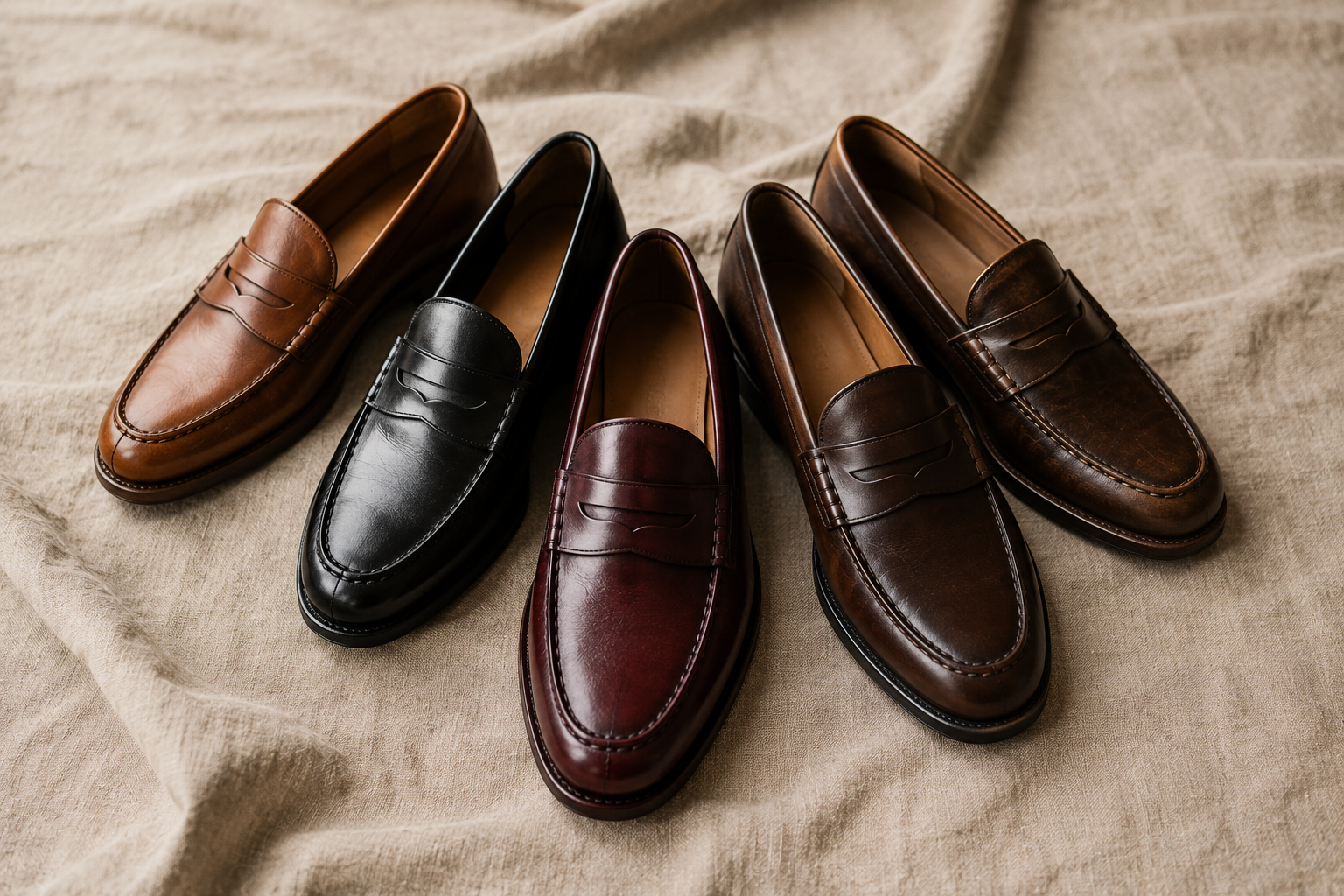
Best Designer Loafers Under $400 in 2026, Ranked
We tested eight pairs over six weeks of daily wear to rank the designer loafers under $400 that actually break in cleanly, hold their shape, and earn a spot in a working 2026 rotation.
Read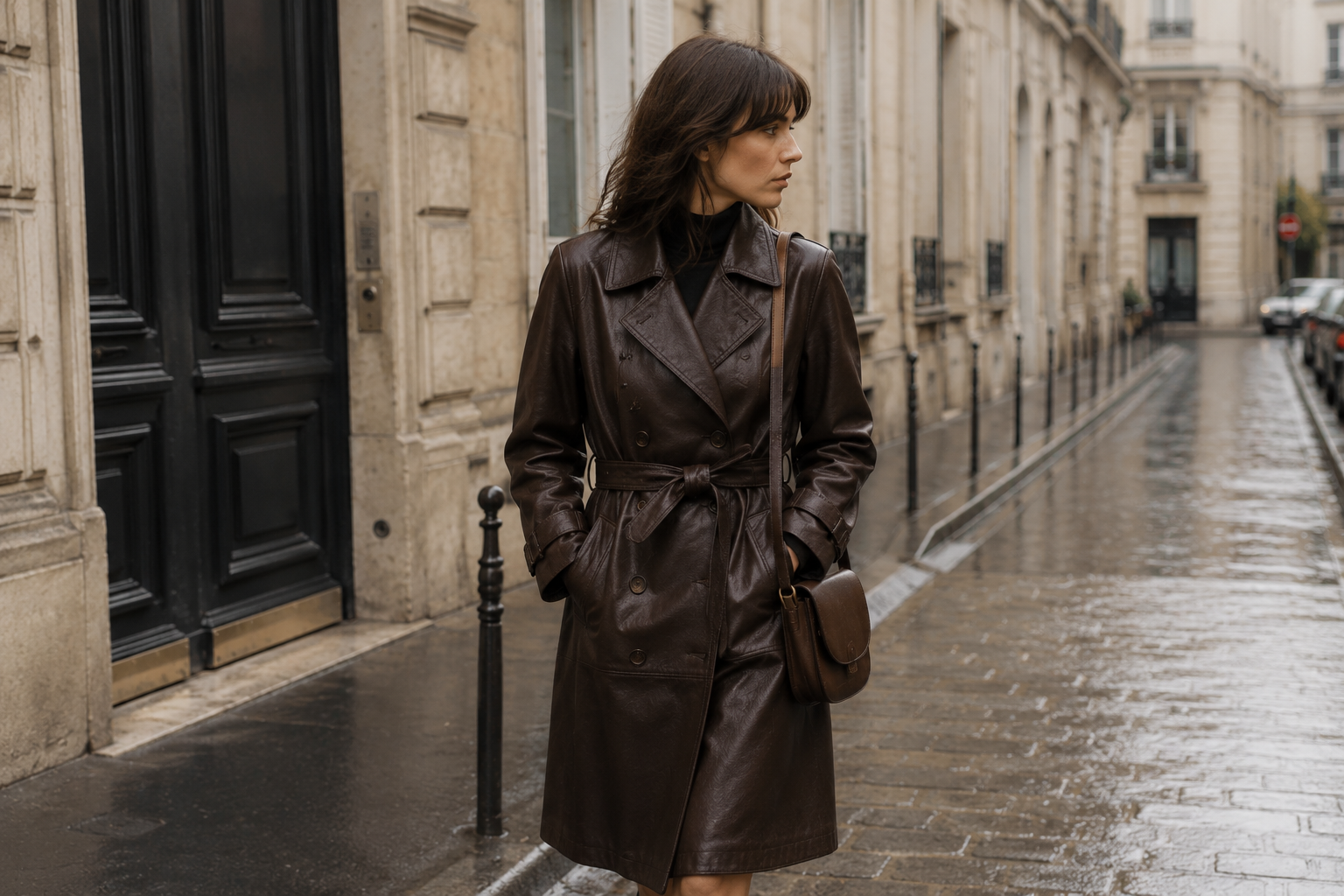
Buyer Guide
The Case for a Leather Trench Coat in 2026
A leather trench coat is the rare outerwear piece that earns its price tag through decades of wear. We break down the case for buying one in 2026, from runway momentum to construction details that actually matter.
Read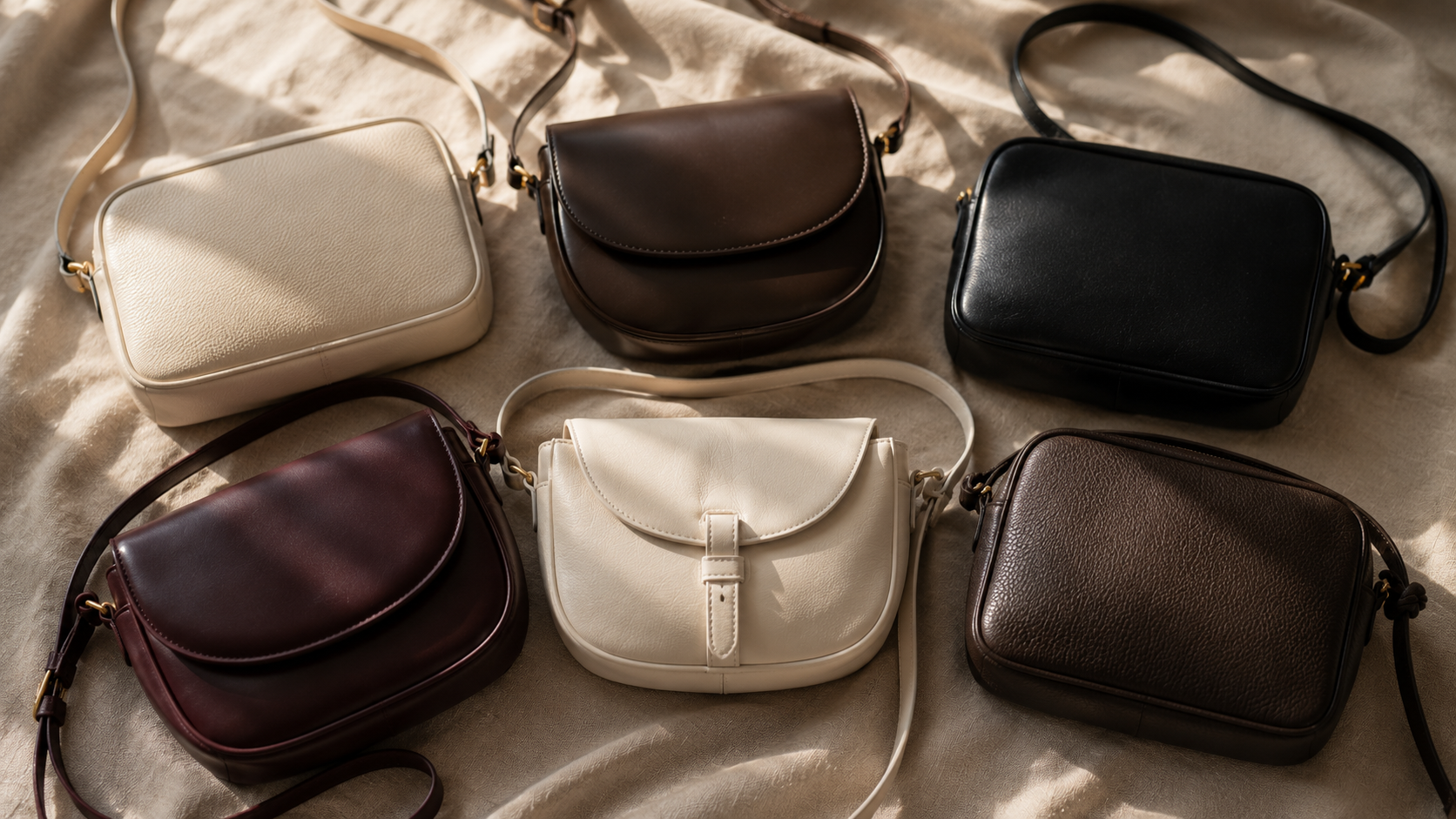
Buyer Guide
Best Designer Crossbody Bags Under $1,000: 2026 Ranked
We tested ten designer crossbody bags priced under $1,000 across a full working week, then ranked them by strap comfort, weight distribution, and how well they survive a real commute.
Read