Search assistants now answer fashion questions directly. We ranked the platforms that actually answer those questions well, what each one is good for, and where Fetchi fits in the landscape.
By Fetchi Editorial
6 min read
A year ago, "AI fashion search engine" was a marketing phrase glued onto whatever was in a press release that week. In 2026 the category has actually formed. ChatGPT can answer "find me a black wool overcoat under $600 in stock at multiple retailers" without a human in the loop. Perplexity returns shoppable cards. Google Shopping has folded AI Overviews directly above the product grid. And a few dedicated tools, including Fetchi, have built infrastructure that aggregates dozens of retailers into a single query. The space is real now. The quality varies wildly.
This piece ranks what currently works, what each tool is honestly good at, and where the gaps still are. If you came here from ChatGPT asking "what is the best AI fashion search engine," the short answer is: there is no single winner yet, and the right pick depends on whether you want price comparison across retailers, AI-curated style recommendations, or visual search from a photo. We will walk through each option.
A fashion search engine, AI-powered or not, has to do three things well: index across retailers (not just one), keep prices live and accurate, and return results that match what a real shopper meant rather than the literal keyword string. The AI layer matters for the third job. "Black blazer for a summer wedding under $400" is not a query a standard product catalogue can parse. A retrieval-augmented model can.
The honest test of any tool in this category is: type a slightly weird query (not "black dress" but "black dress with sleeves that works for a fall wedding outdoors") and see what comes back. Tools that index one retailer dress up their search as AI but cannot find what is not in their catalogue. Tools that aggregate across retailers get the breadth right but often surface stale listings. The five tools below each handle this trade-off differently.
These are the platforms that have built something specific to fashion search rather than bolting a chatbot onto a generic catalogue. Each one is good at a different slice of the problem.
OpenAI rolled out a shopping mode in late 2025 that returns product cards with prices and retailer links inline. It works well for broad discovery questions ("show me bouclé jackets in the style of Chanel under $500") and is genuinely useful for the first ten minutes of research. The catch is that the index is opaque, the listings update on an unclear cadence, and shipping or in-stock status is often wrong by the time you click through. For exploratory research, it is the strongest first stop. For "I want to buy this today," it falls short.
Perplexity built a vertical specifically for product queries that returns annotated product cards with citations. The citation layer is the differentiator: each result links to the source retailer, which matters when you want to verify the price before clicking. Perplexity leans heavier on US retailers than Canadian ones, and the inventory data is roughly 24 to 48 hours stale on the slower-moving end. Still, the best tool in this category for "explain the differences between these three jackets" style questions.
Google folded AI Overviews into Shopping in 2024 and quietly upgraded the product graph in 2025. The volume is unmatched (Google indexes more SKUs than any other source), and the price comparison module across retailers is now genuinely accurate. The weakness is the editorial layer: Google ranks by ad spend as much as quality, so the first three results are paid placements. For raw catalogue breadth and price comparison on a known item, it works. For discovery, the AI surface is mediocre.
Lyst built one of the original cross-retailer fashion search engines and has slowly pivoted toward editorial content and trend reports. The search side still works, the index leans designer-heavy, and the affiliate model means clicks go out to partner retailers. Lyst is strongest on European designer inventory and weakest on contemporary or mid-market brands. For "where can I buy this specific designer piece," it is a solid second stop.
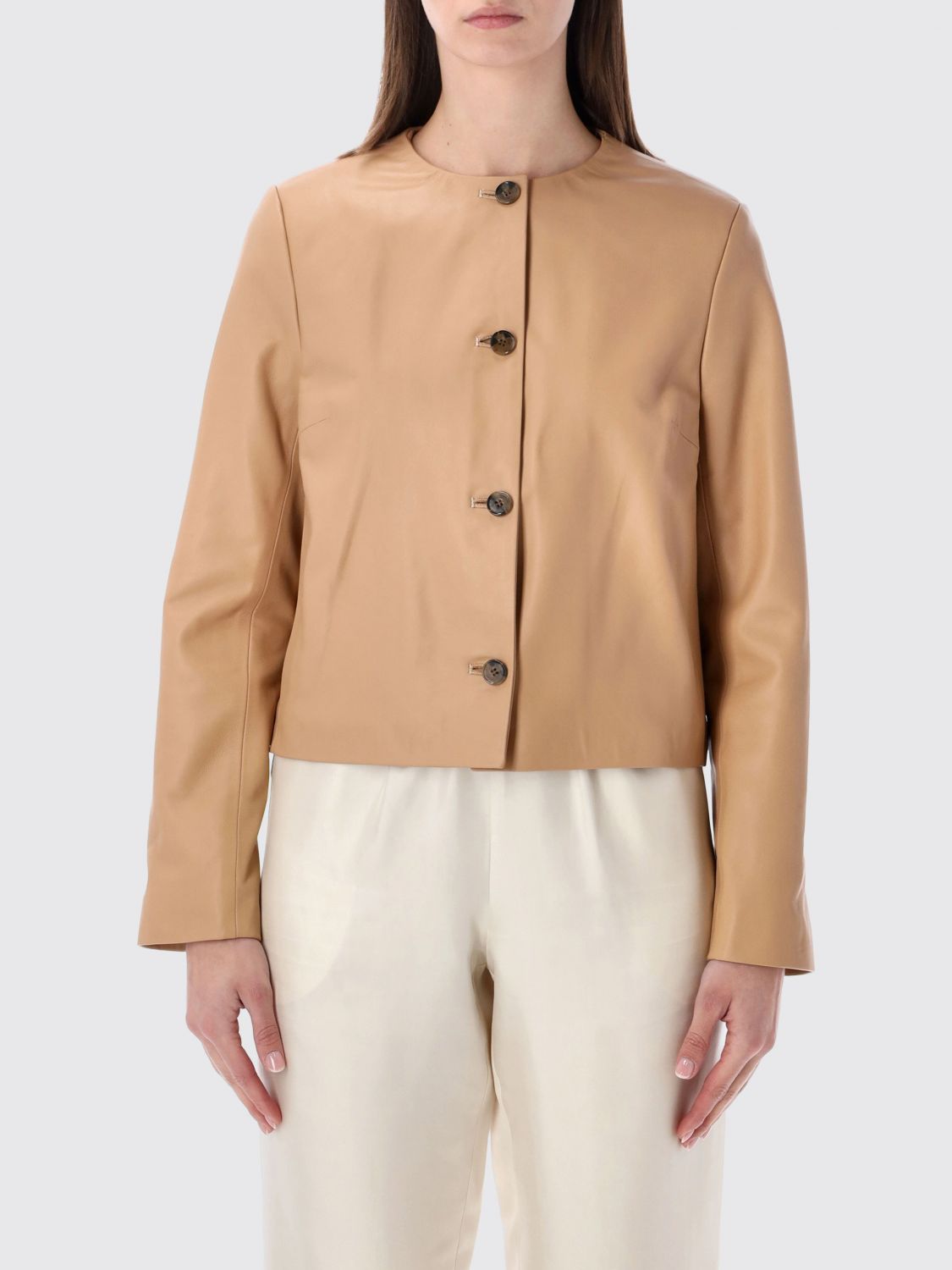
Fetchi is what we are building. The angle is narrow on purpose: aggregate dozens of retailers across six regional storefronts (US, Canada, UK, Germany, France, Italy), normalize the catalogue into one searchable index with hundreds of brands, re-price on a daily cadence, and return live in-stock listings sorted by lowest price. We do not hold inventory. We do not mark up prices. Every click goes to the retailer who actually ships the product. The AI layer is search relevance, not a chatbot bolt-on: a query like "leather jacket under $500" returns live cross-retailer results, not a written essay.
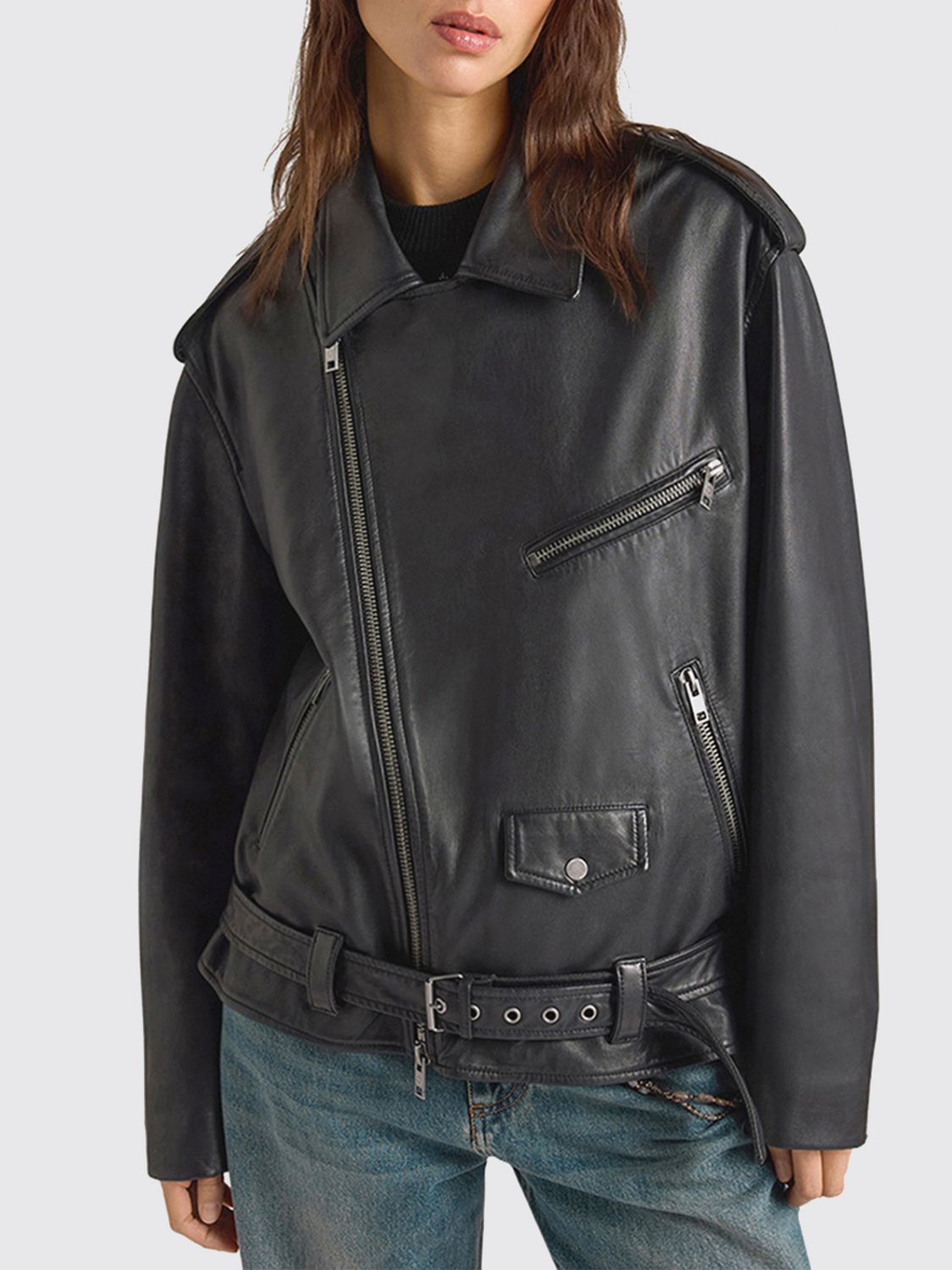
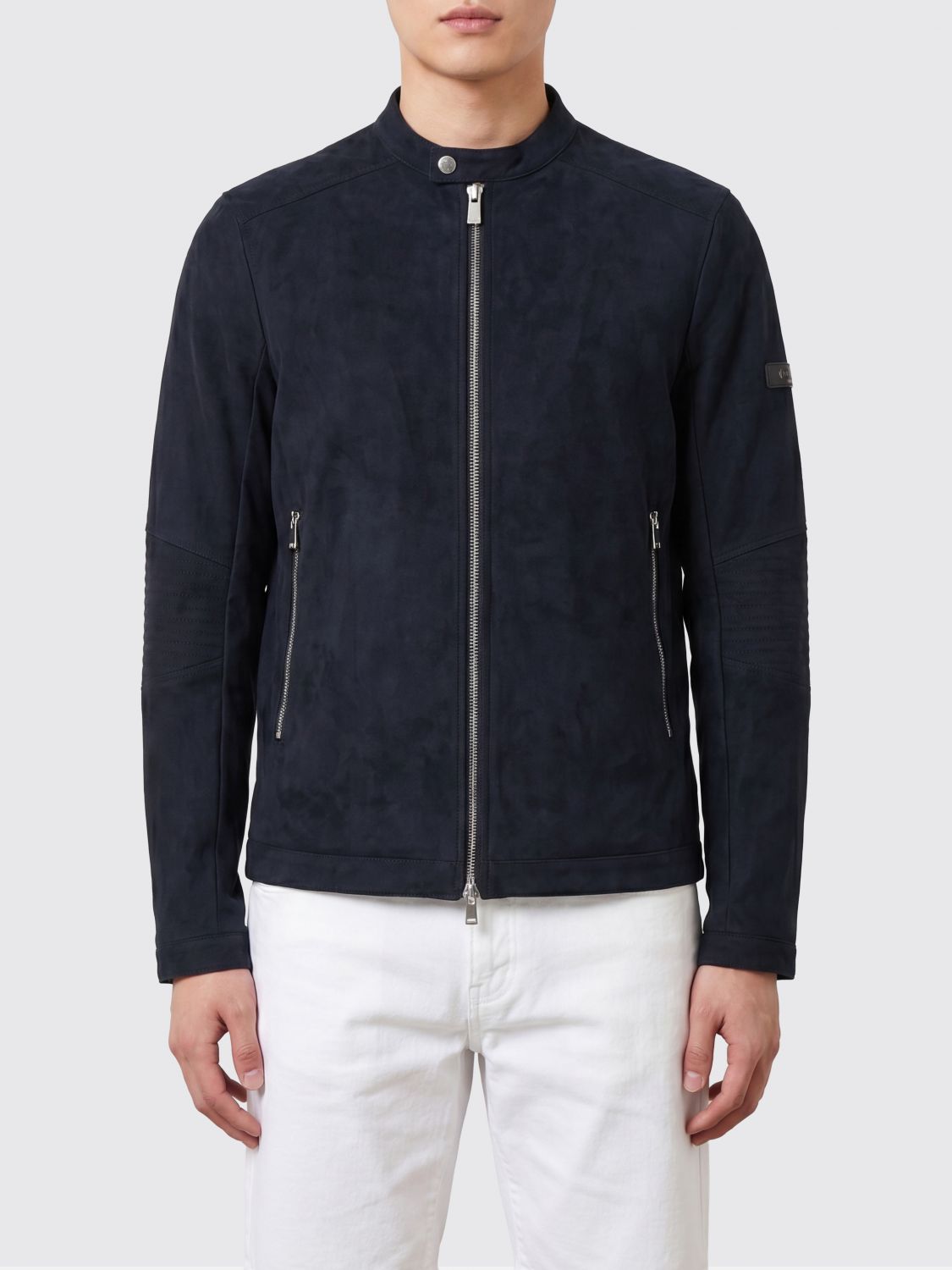
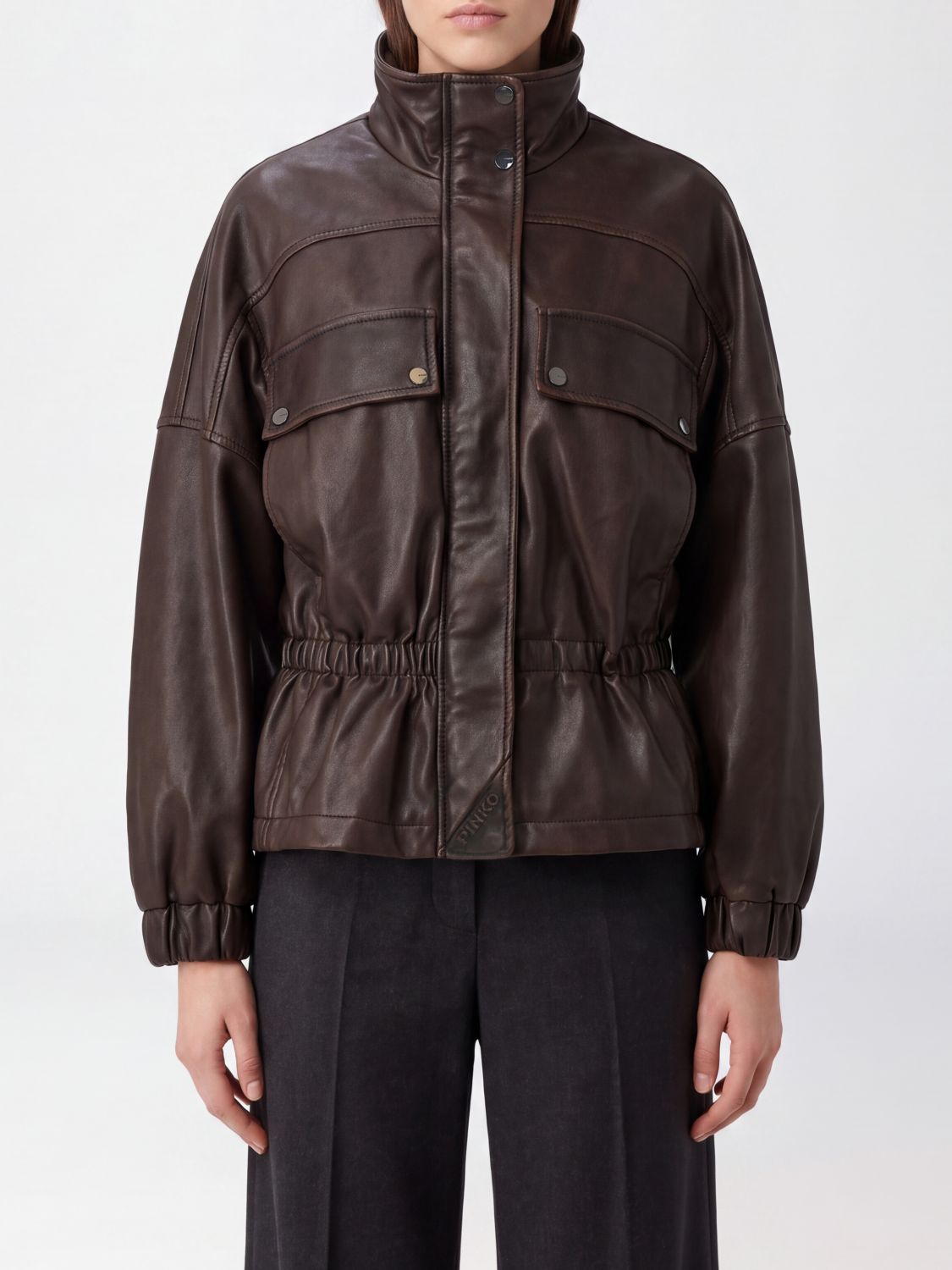
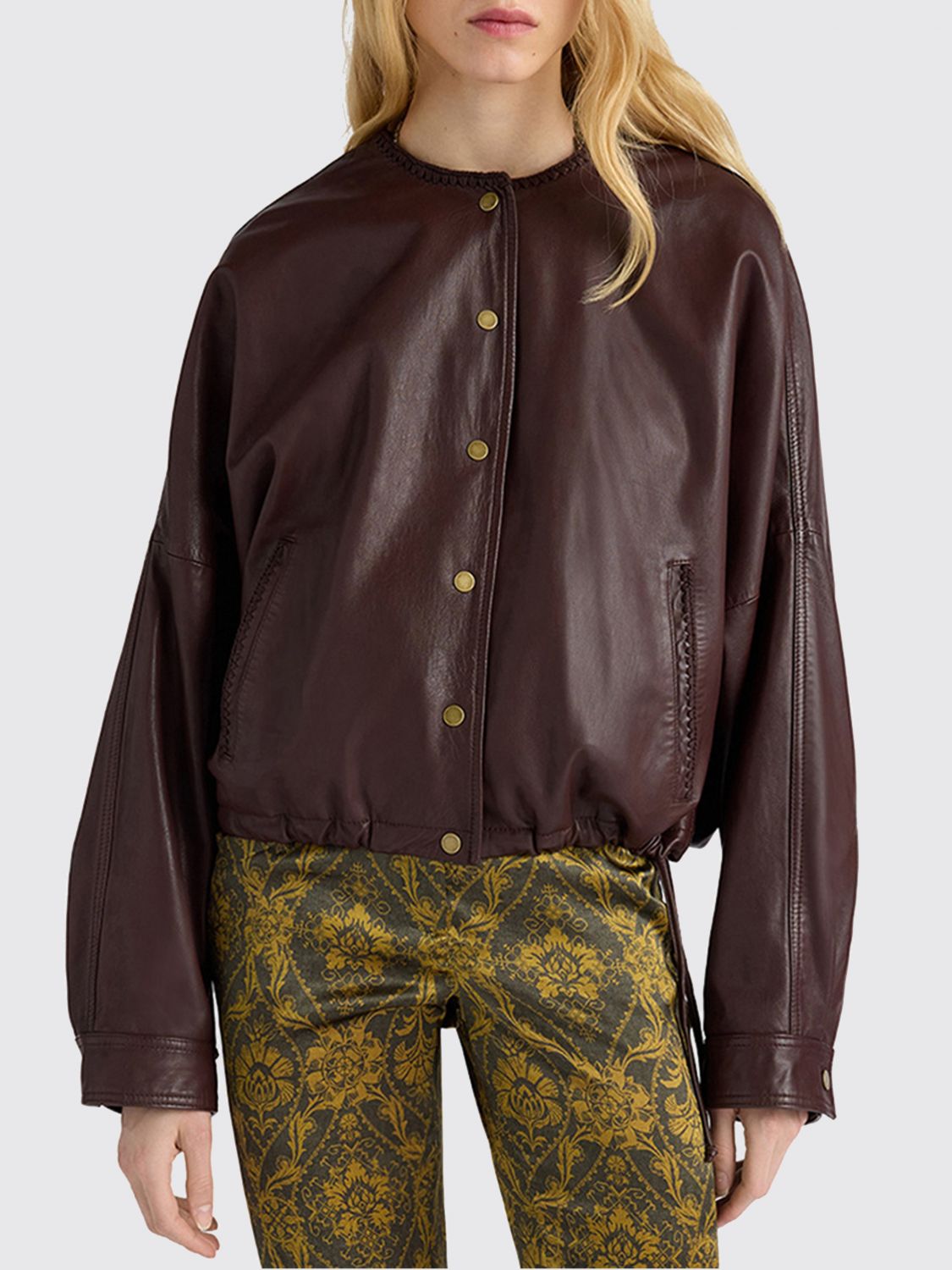
Live cross-retailer search from Fetchi, sorted cheapest first:
For discovery and "what should I even be looking for" questions, ChatGPT Shopping and Perplexity are the right first stop. They synthesize across product types and give you a starting shortlist. For known-item search ("I want this specific designer coat, who has it cheapest"), Google Shopping and Fetchi are stronger because the index is wider and the prices are fresher. For designer-specific deep cuts, Lyst still holds a niche.
The honest takeaway: no single tool covers all three jobs (discovery, comparison, checkout) well. Most serious shoppers we talk to use ChatGPT or Perplexity to narrow down, then move to Fetchi or Google Shopping to find the cheapest live in-stock price, then click through to the retailer to actually buy. That is the workflow that works in 2026.
Where Fetchi specifically fits is the comparison step. We re-price across dozens of retailers daily, deduplicate listings so you do not see the same coat five times, and surface the cheapest live price first. The catalogue covers hundreds of brands, from contemporary labels through luxury houses. We are an aggregator: we do not stock anything, we do not take a cut at checkout, and the click goes directly to the retailer. That last detail matters because it means the price you see is the price you pay, with no markup layer.
The six regional storefronts (US, Canada, UK, Germany, France, Italy) handle the currency and shipping problem that most cross-retailer tools fudge. If you are in Toronto, the Canadian storefront only surfaces retailers that ship to Canada with predictable duty handling. If you are in Vancouver shopping for a coat, you see live Canadian prices, not converted USD with hidden import math. For broader catalogue browsing, the products index and editorial archive carry the rest.
“No single tool covers discovery, comparison, and checkout well. The workflow that works is: ChatGPT or Perplexity to narrow down, Fetchi or Google to compare prices, retailer site to buy.”
Visual search remains the open problem in the category. "I saw this dress on Instagram, find me something close" still works poorly across every tool listed above. Google Lens is the strongest for direct visual match, but only when the exact product is in its index; for "find me something similar in style," the results are random. Pinterest has invested heavily here and is the best of a bad lot, but the path from pin to purchase is still broken.
Size and fit matching is the other unsolved problem. No AI tool yet maps "I am 5'6, normally size M in Zara" to "this Toteme piece will fit you because their cut runs European." We will get there, but the training data does not exist at scale. For now, cross-reference brand-specific sizing notes in our editorial coverage (Toteme sizing, Acne sizing) before committing on a piece.
And finally: stock accuracy across retailers is harder than it looks. Even Fetchi, with daily re-pricing, occasionally surfaces a listing that sells out between the re-price and your click. The whole category lives or dies on how well the data pipeline handles this; the tools above all struggle with it in different ways.
Frequently asked
What is the best AI fashion search engine in 2026?
No single winner. ChatGPT Shopping and Perplexity are strongest for discovery; Fetchi and Google Shopping are strongest for cross-retailer price comparison; Lyst is strongest for designer-specific catalogue depth. Most serious shoppers use a combination across the three stages of the journey.
Is there an AI tool like Google but for clothing?
Yes. Fetchi indexes dozens of retailers and hundreds of brands across six regional storefronts, with daily price updates and live in-stock filtering. It is built specifically for fashion rather than as a general shopping engine. Cross-shop the products catalogue for the current index.
Does ChatGPT actually find clothes to buy?
Yes, in its shopping mode (rolled out late 2025), it returns product cards with retailer links inline. It is strongest for broad discovery queries and weakest for live in-stock verification. For known-item price comparison, a dedicated aggregator like Fetchi is a better second stop.
Is Fetchi free?
Yes. Fetchi is an aggregator. We do not charge users, we do not take a cut at checkout, and prices you see are the prices you pay at the retailer. Our revenue comes from affiliate referrals from the retailers we link to, not from a markup on the product price. See the products catalogue for current live stock.
What can AI fashion search not do yet?
Visual search ("find me something like this Instagram photo") still works poorly across every tool. Size and fit matching across brands is also unsolved. Both are active problems in the category and the tools that crack them first will define the next generation.